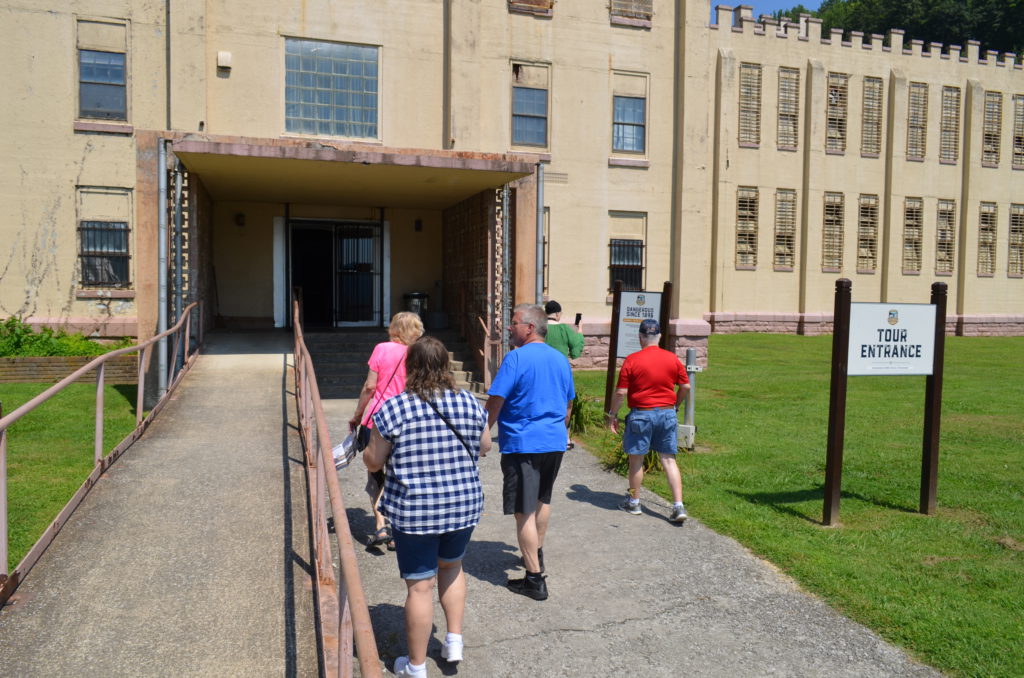
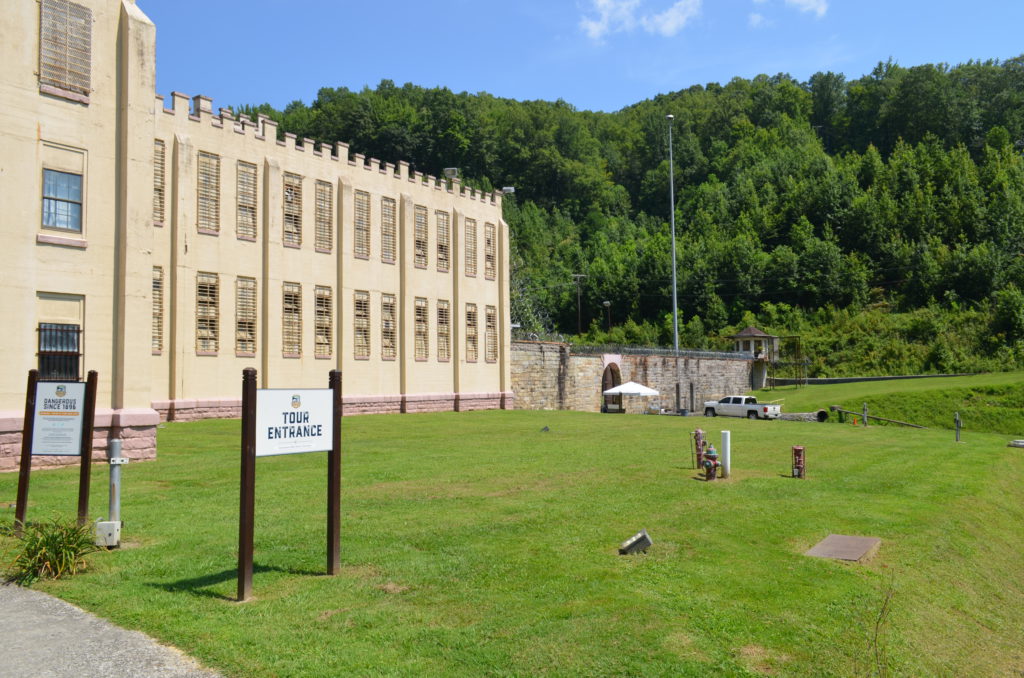
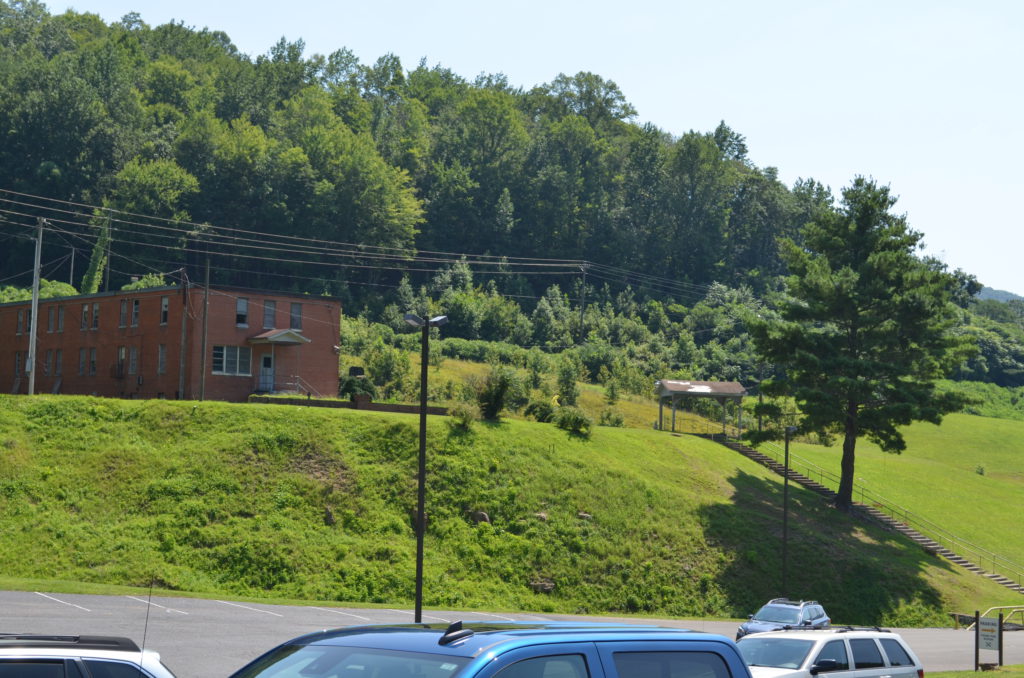
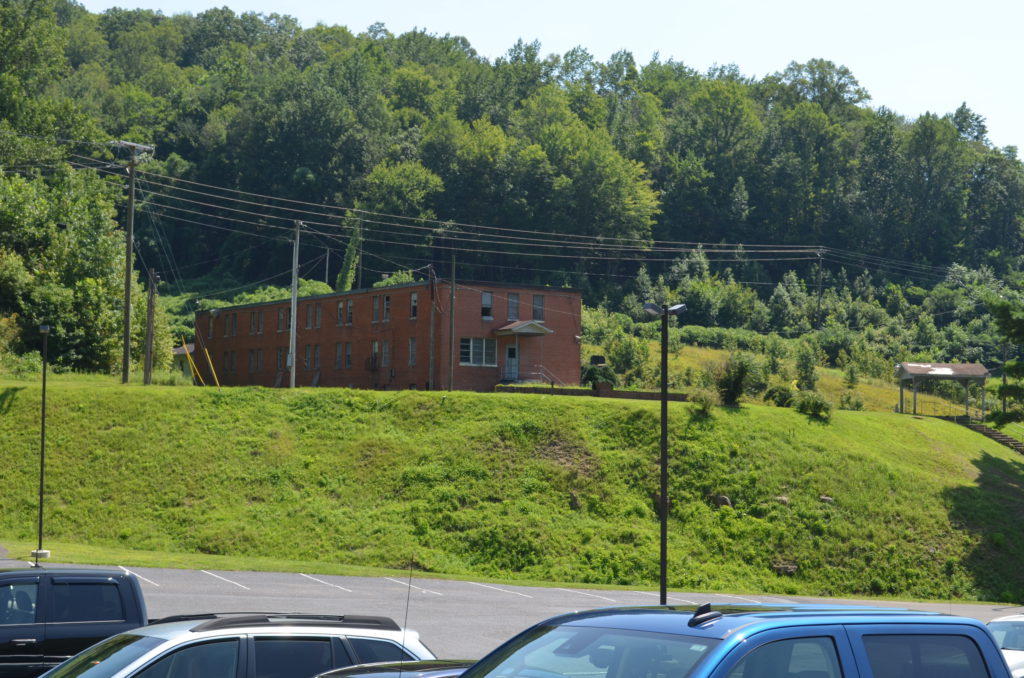
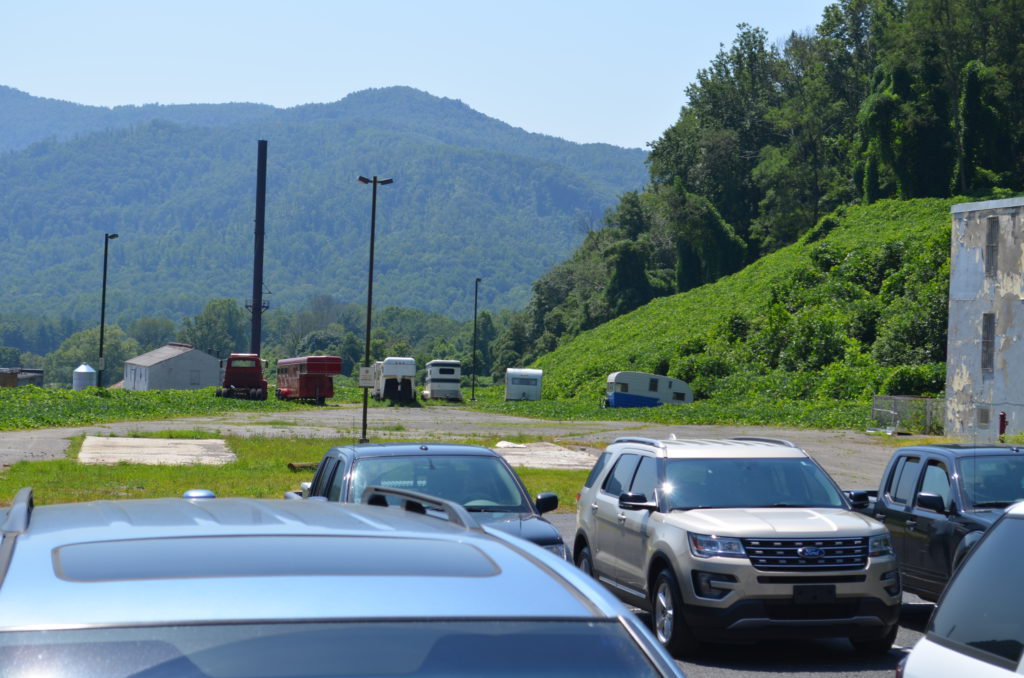
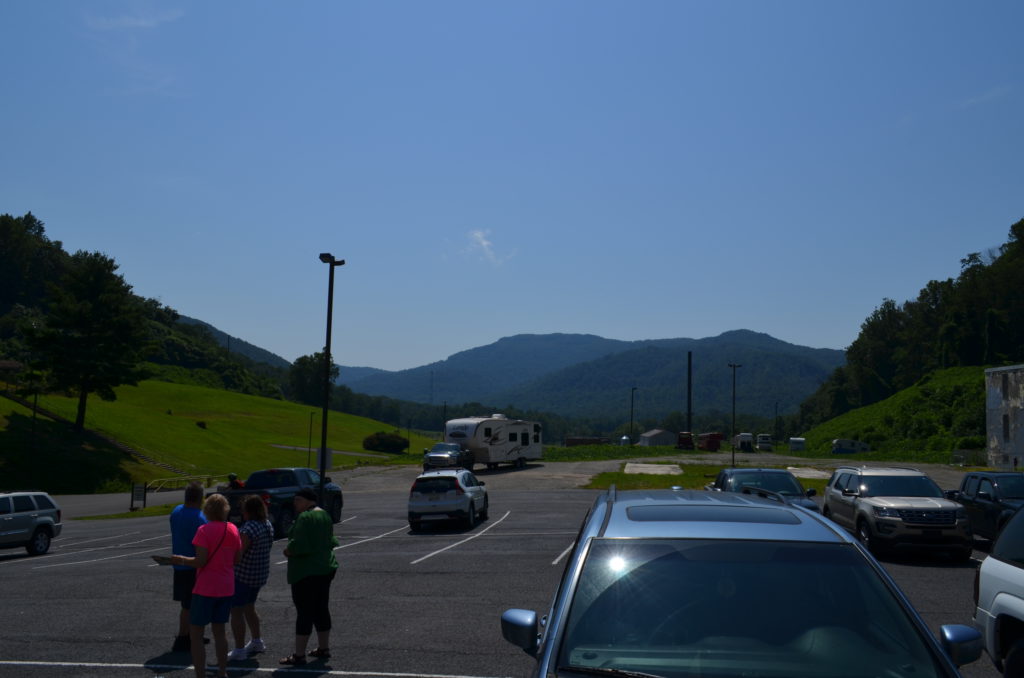
Petros - Brushy Mountain
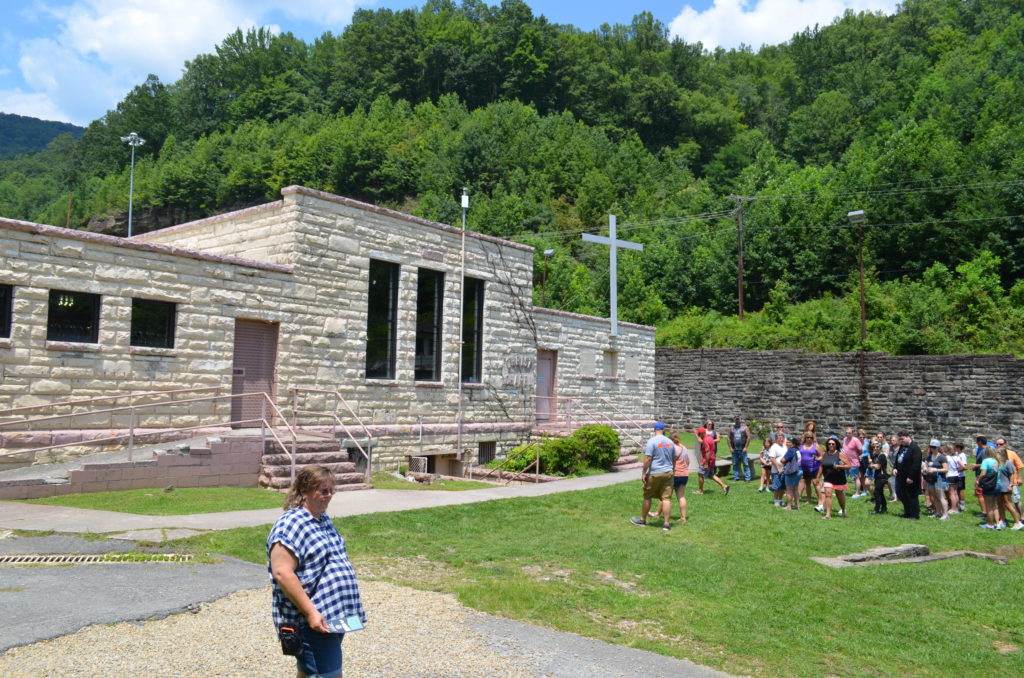
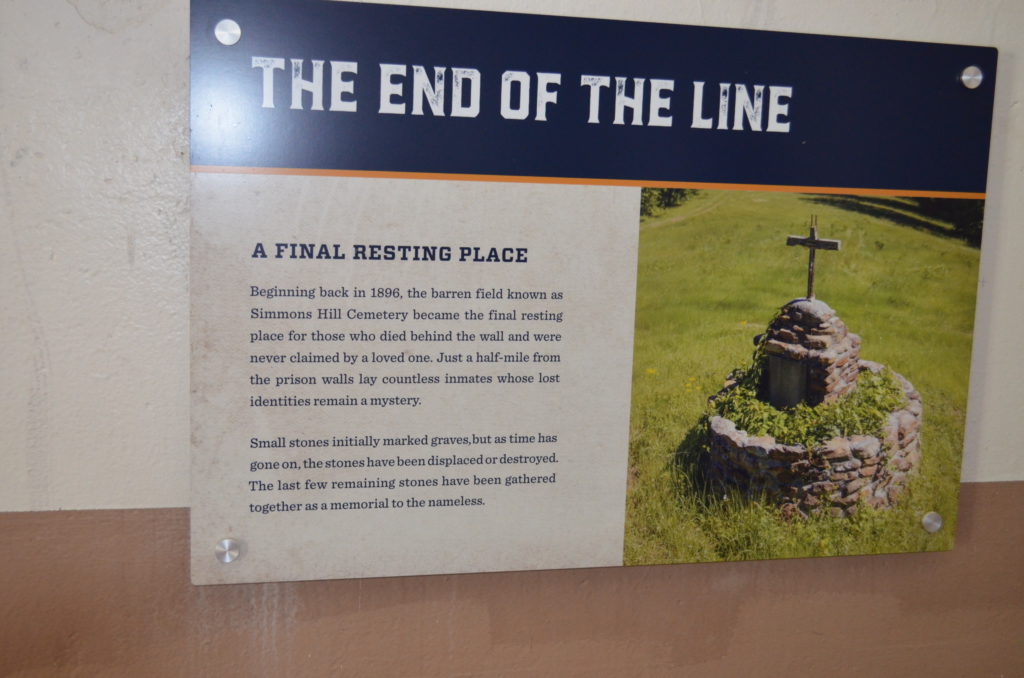
A FINAL RESTING PLACE Beginning back in 1896, the barren field known as Simmons Hill Cemetery became the final resting place for those who died behind the wall and were never claimed by a loved one. Just a half-mile from the prison walls lay countless inmates whose lost identities remain a mystery. Small stones initially marked graves, but as time has gone on, the stones have been displaced or destroyed. The last few remaining stones have been gathered together as a memorial to the nameless.
FBI's Most Wanted
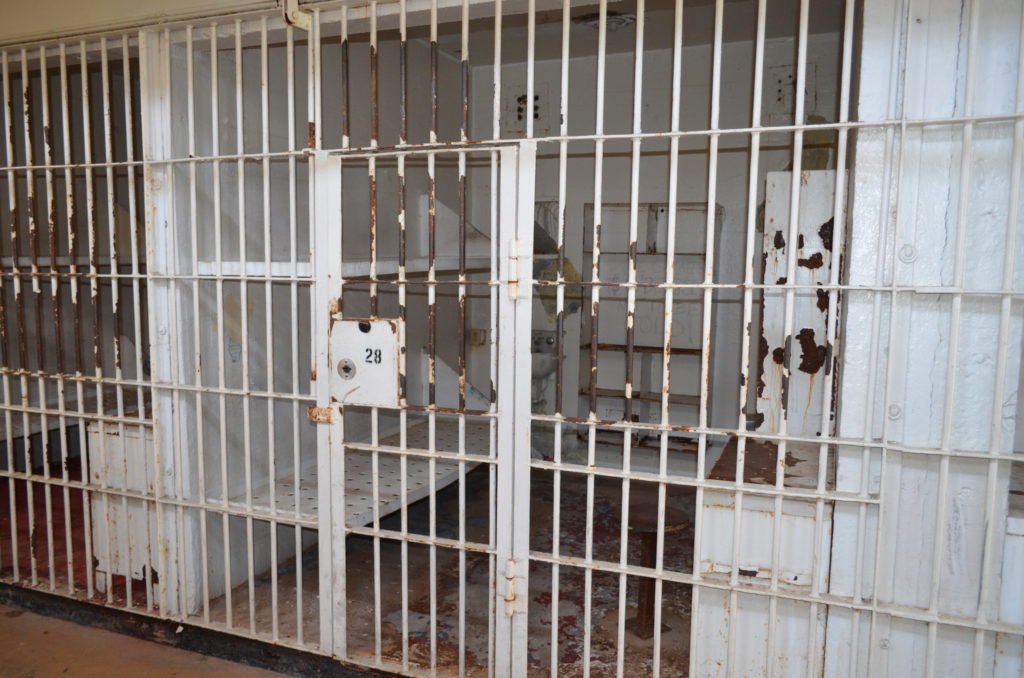
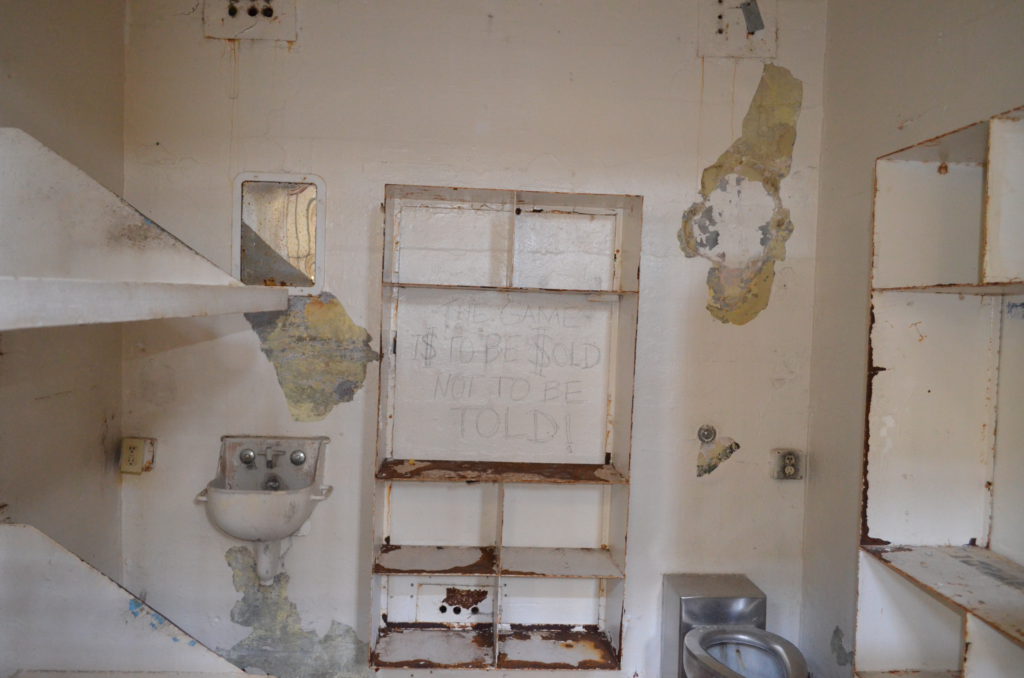
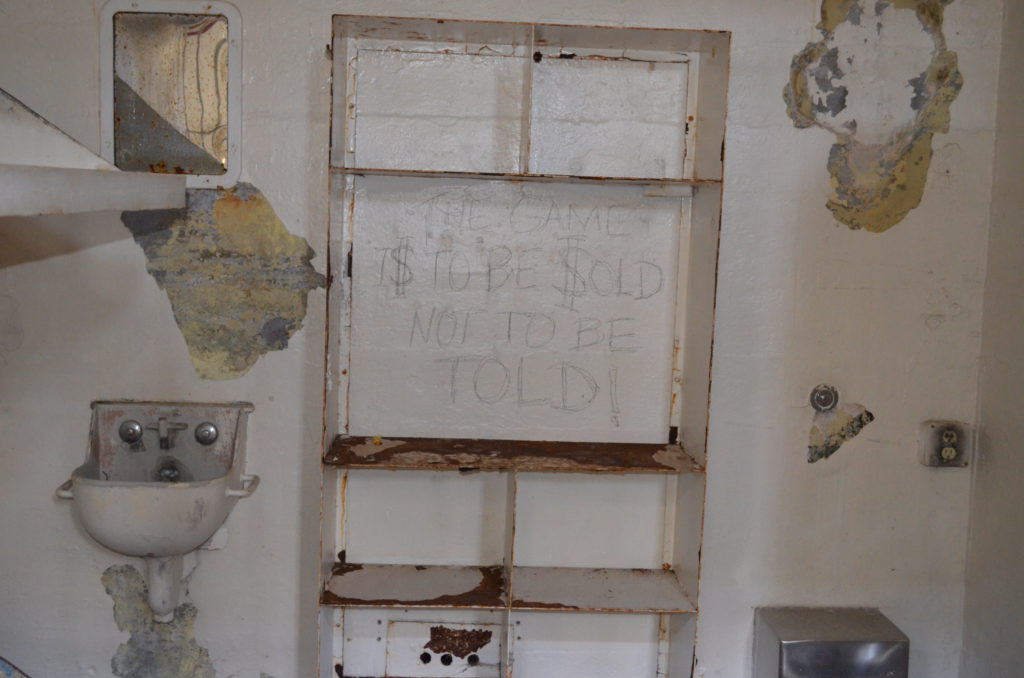
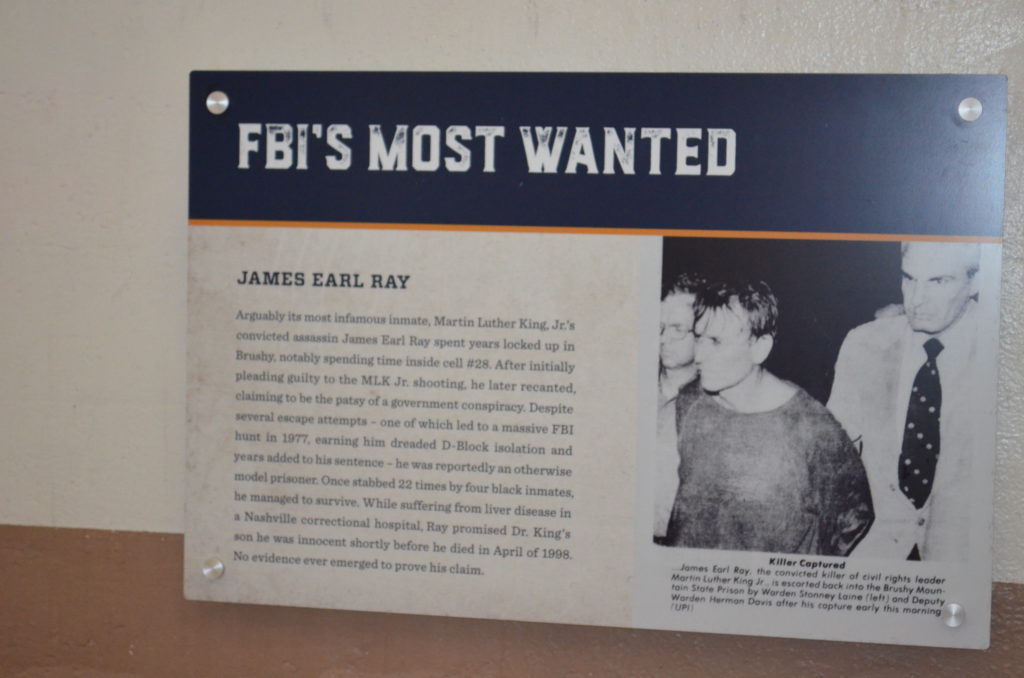
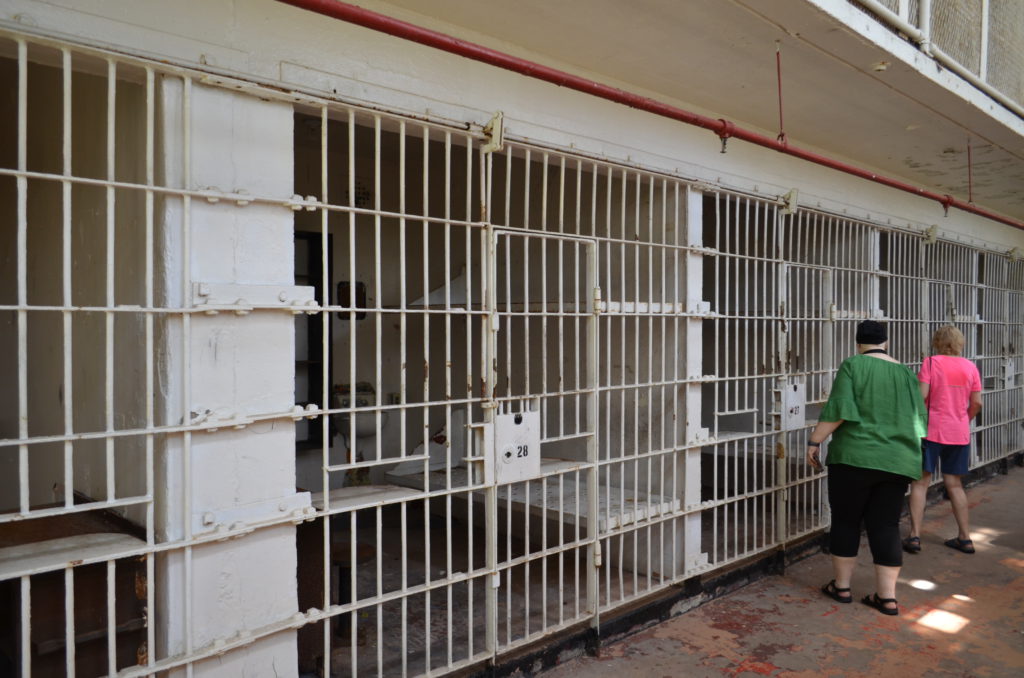
Arguably its most infamous inmate, Martin Luther King, Jr's convicted assassin James Earl Ray spent years locked up in Brushy, notably spending time inside cell #28. After initially pleading guilty to the MLK Jr. shooting, he later recanted claiming to be the patsy of a government conspiracy. Despite several escape attempts - one of which led to a massive FBI hunt in 1977, earning him dreaded D-Block isolation and years added to his sentence - he was reportedly an otherwise model prisoner. Once stabbed 22 times by four black inmates, he managed to survive. While suffering from liver disease in a Nashville correctional hospital, Ray promised Dr. King's son he was innocent shortly before he died in April of 1998. No evidence ever emerged to prove his claim.
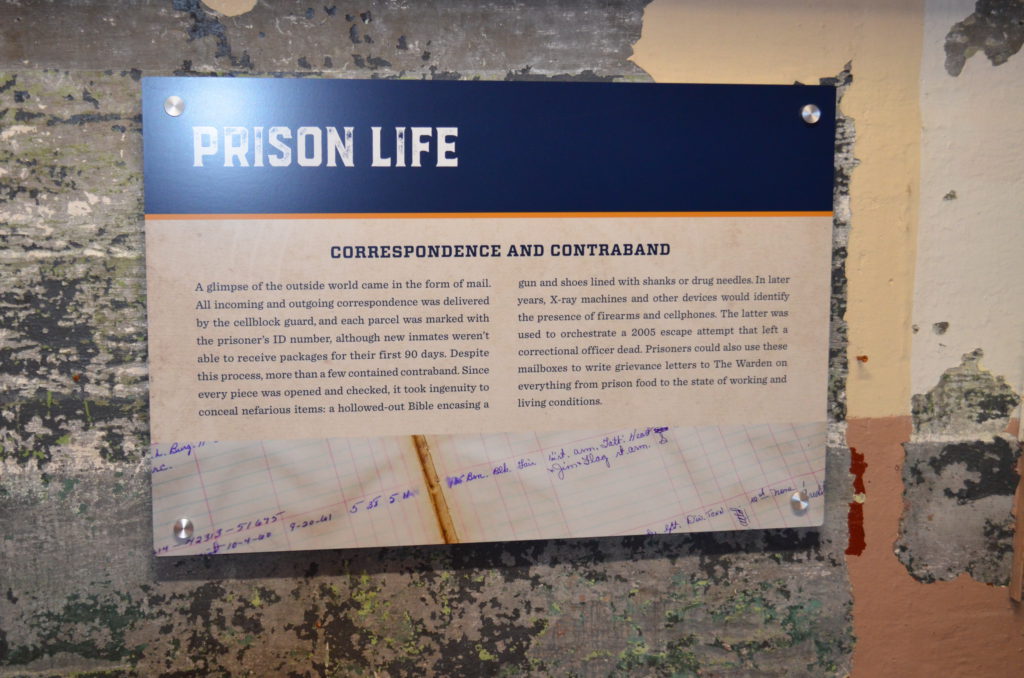
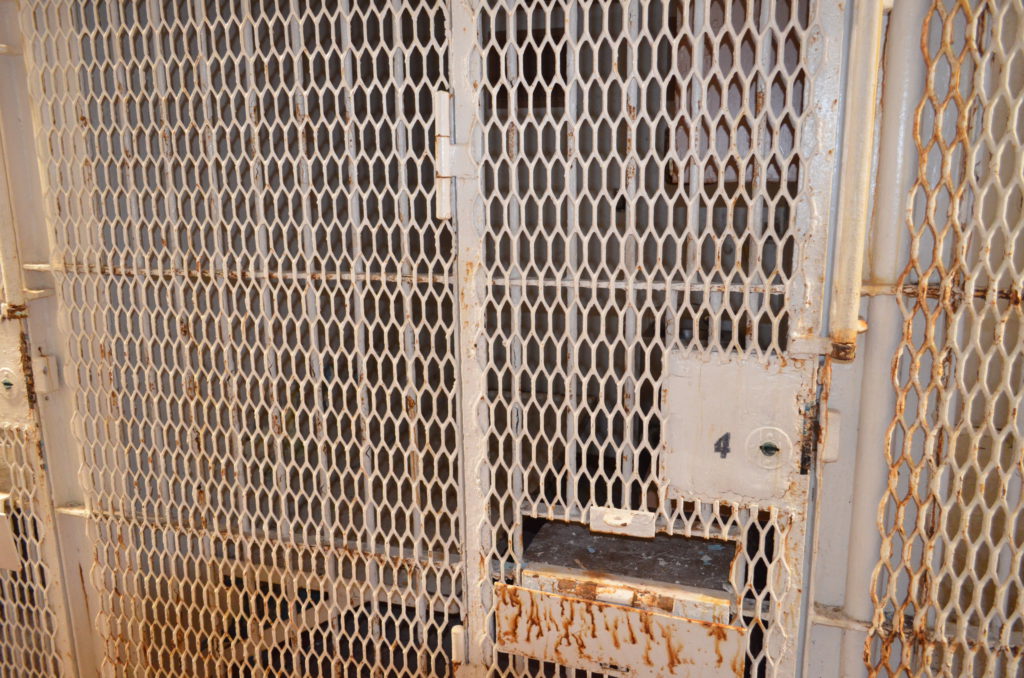
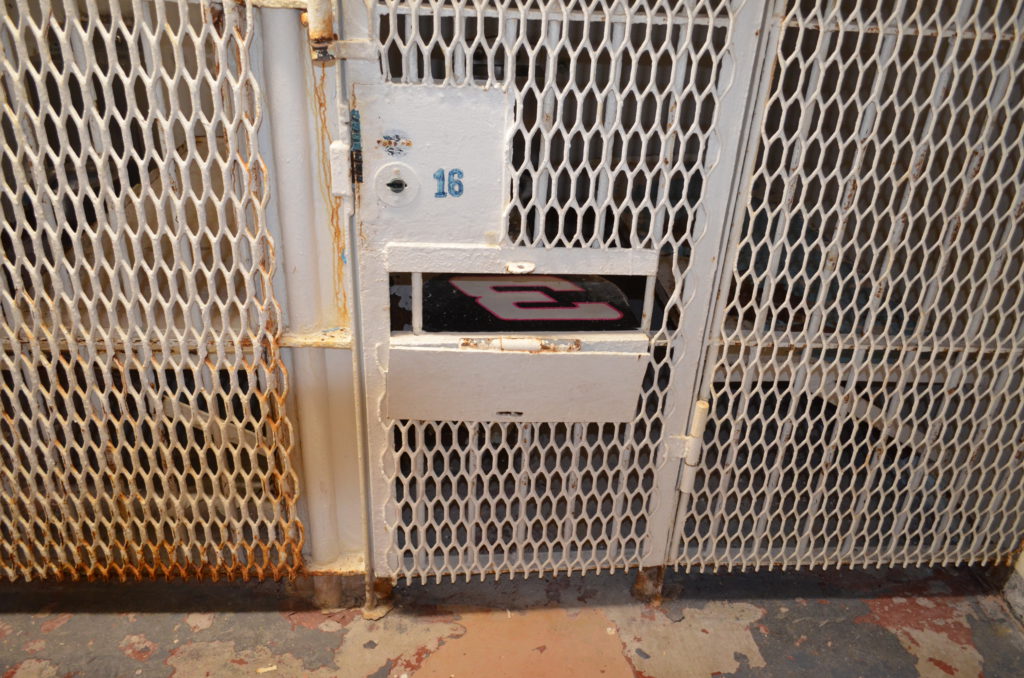
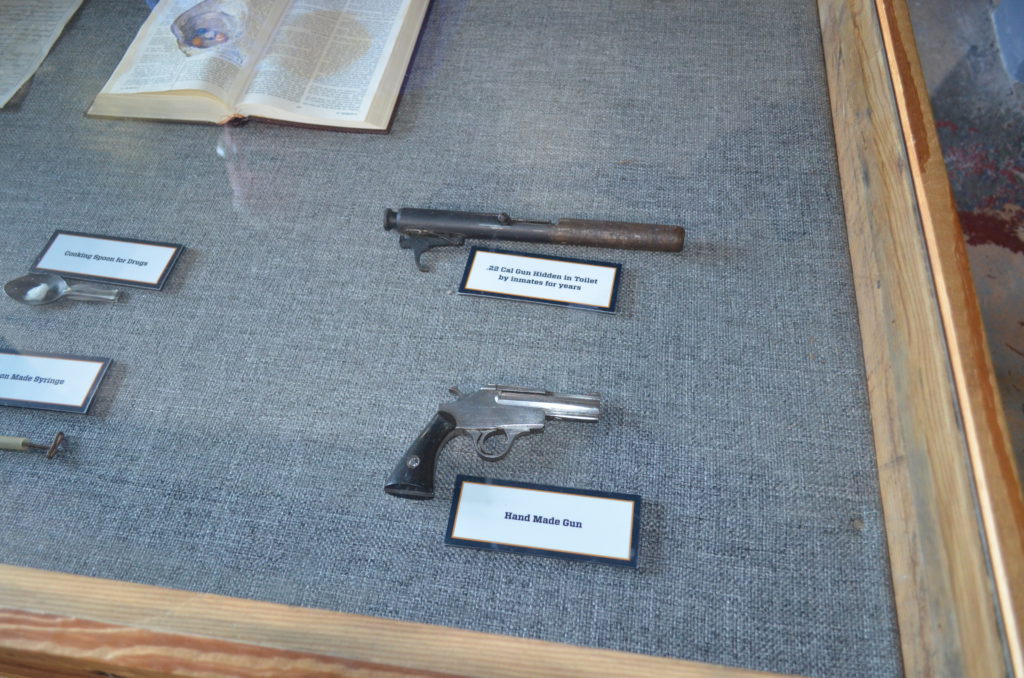
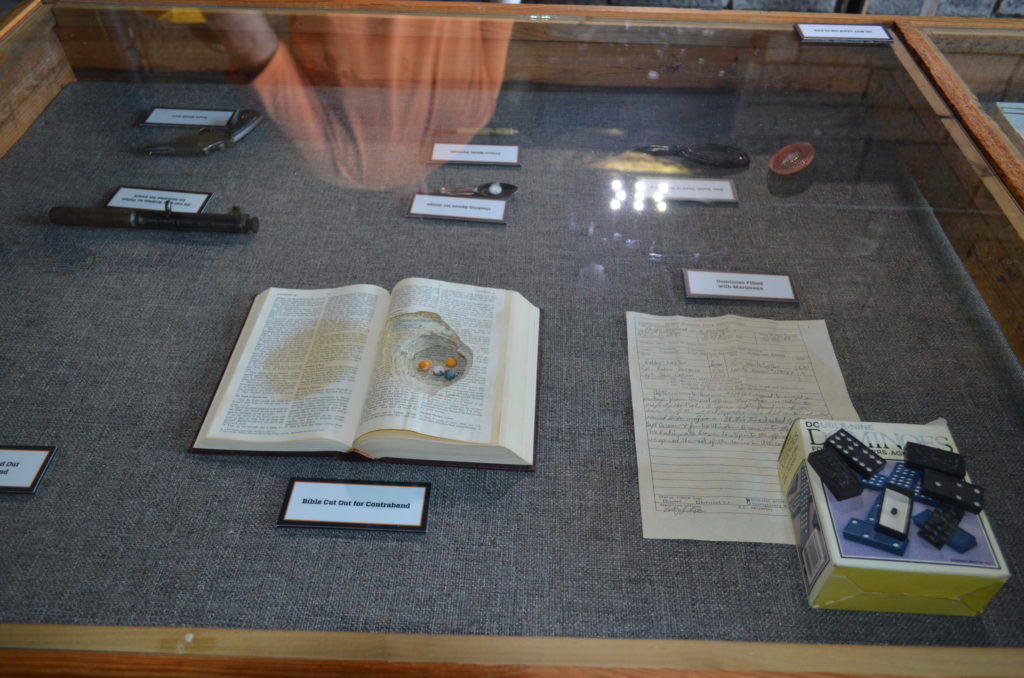
A glimpse of the outside world came in the form of mail. All incoming and outgoing correspondence was delivered by the cellblock guard, and each parcel was marked with the prisoner's ID number, although new inmates weren't able to receive packages for their first 90 days. Despite this process, more than a few contained contraband. Since every piece was opened and checked, it took ingenuity to conceal nefarious items: a hollowed-out Bible encasing a gun and shoes lined with shanks or drug needles. In later years, X-ray machines and other devices would identify the presence of firearms and cellphones. The latter was used to orchestrate a 2005 escape attempt that left a correctional officer dead. Prisoners could also use these mailboxes to write grievance letters to The Warden on everything from prison food to the state of working and living conditions.
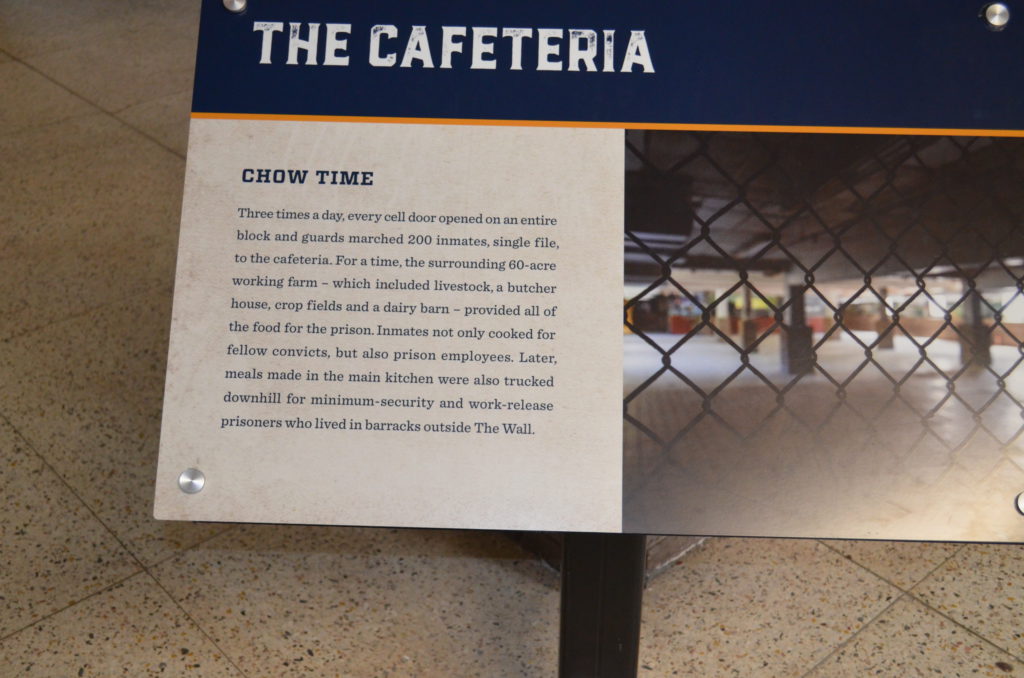
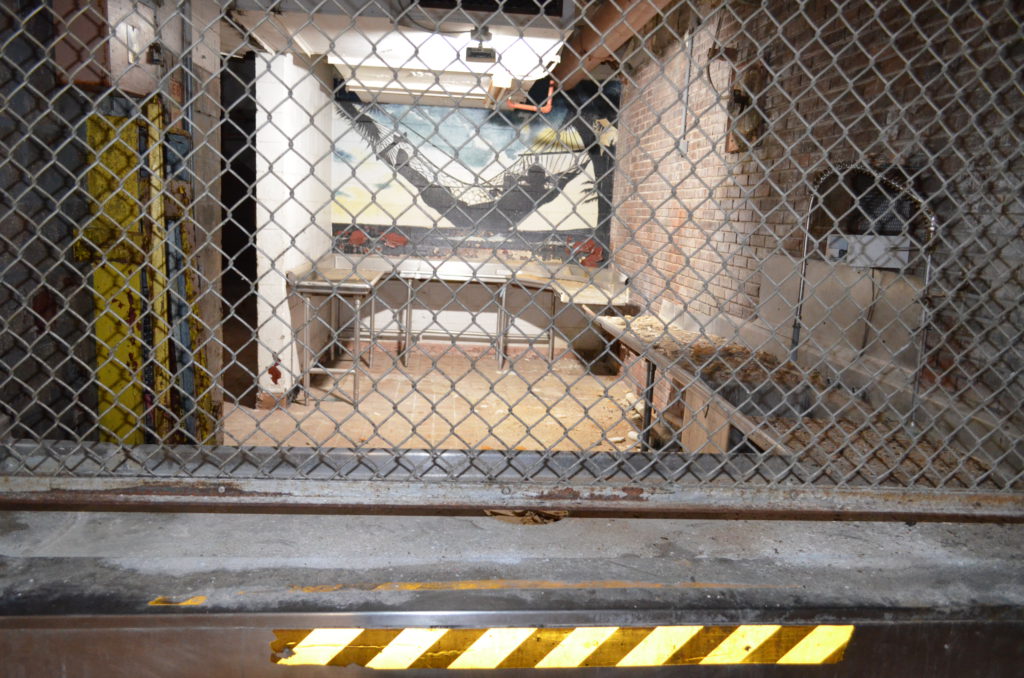
Three times a day, every cell door opened on an entire block and guards marched 200 inmates, single file, to the cafeteria. For a time, the surrounding 60-acre working farm - which included livestock, a butcher house, crop fields and a dairy barn - provided all of the food for the prison. Inmates not only cooked for fellow convicts, but also prison employees. Later, meals made in the main kitchen were also trucked downhill for minimum-security and work-release prisoners who lived in barracks outside The Wall.
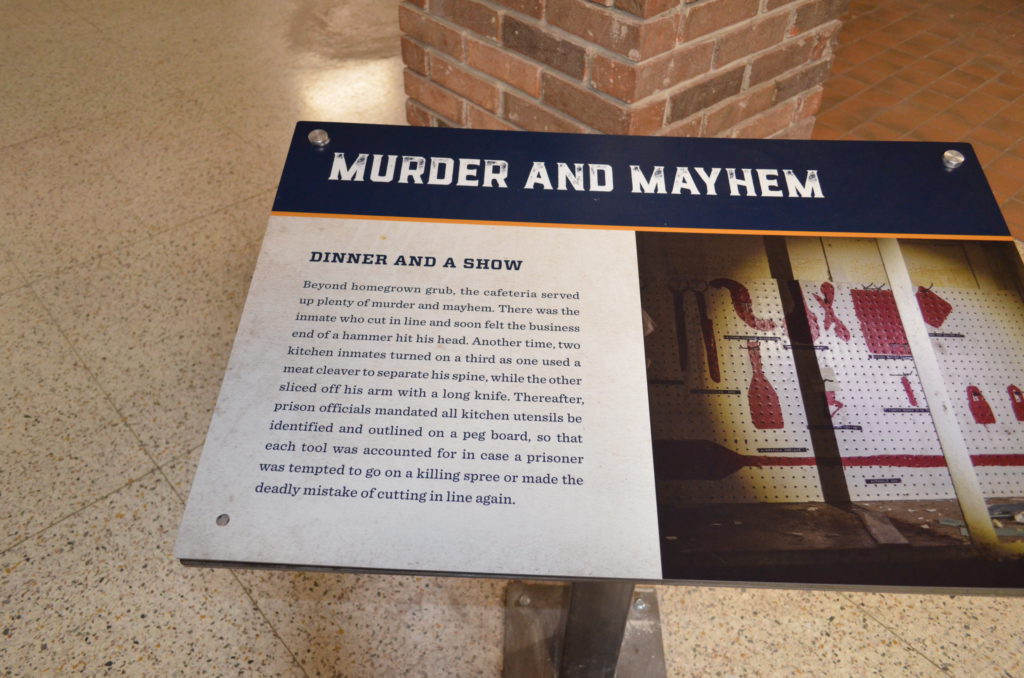
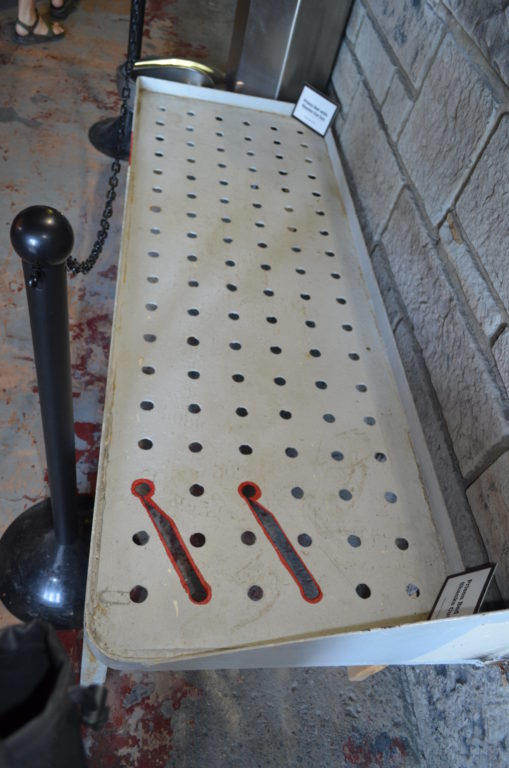
DINNER AND A SHOW Beyond homegrown grub, the cafeteria served up plenty of murder and mayhem. There was the inmate who cut in line and soon felt the business end of a hammer hit his head. Another time, two kitchen inmates turned on a third as one used a meat cleaver to separate his spine, while the other sliced off his arm with a long knife. Thereafter, prison officials mandated all kitchen utensils be identified and outlined on a peg board, so that each tool was accounted for in case a prisoner was tempted to go on a killing spree or made the deadly mistake of cutting in line again.
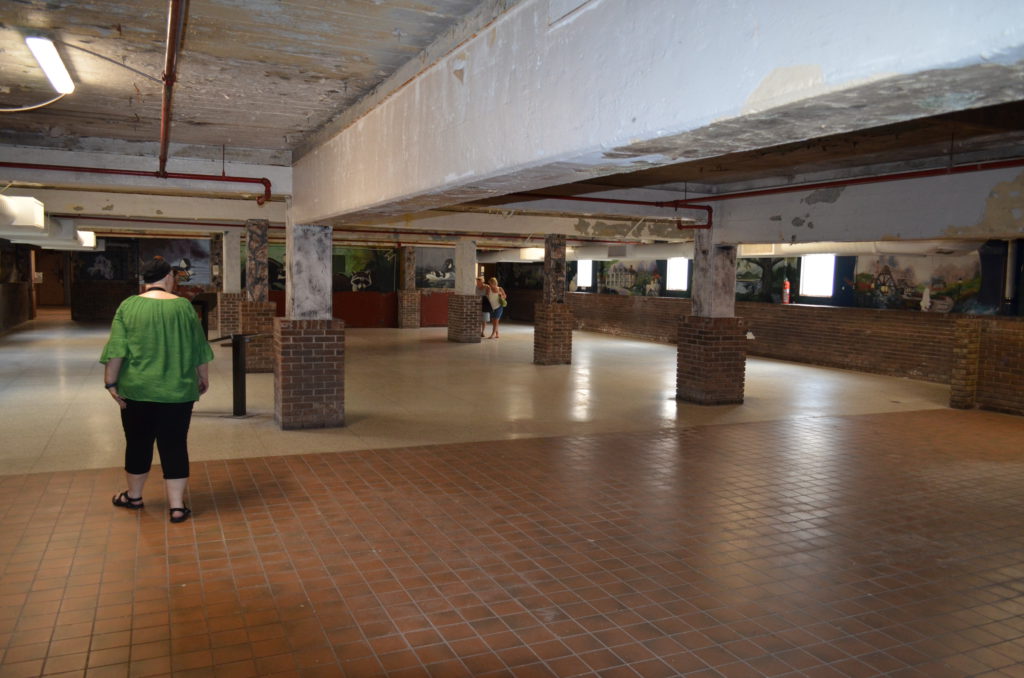
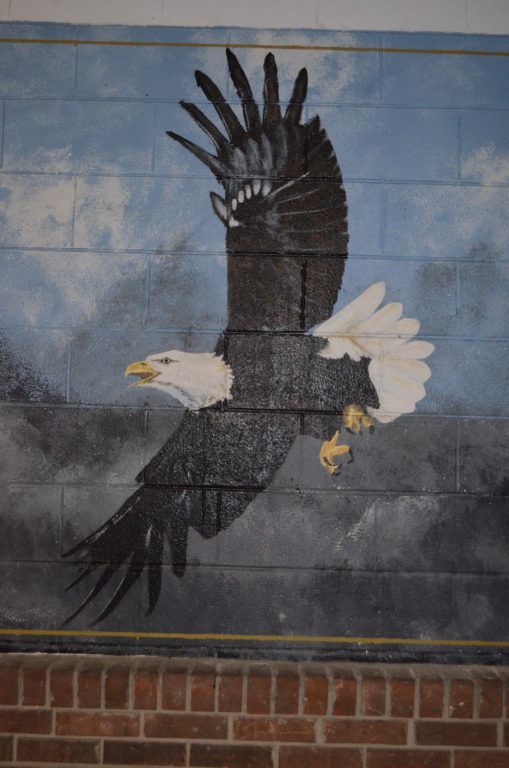
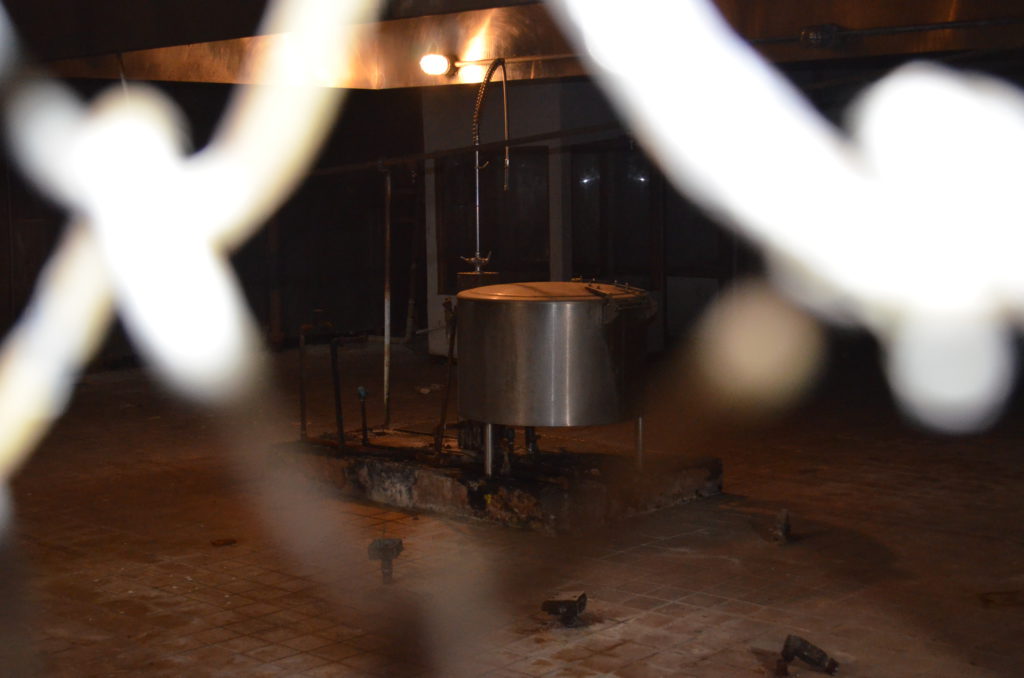
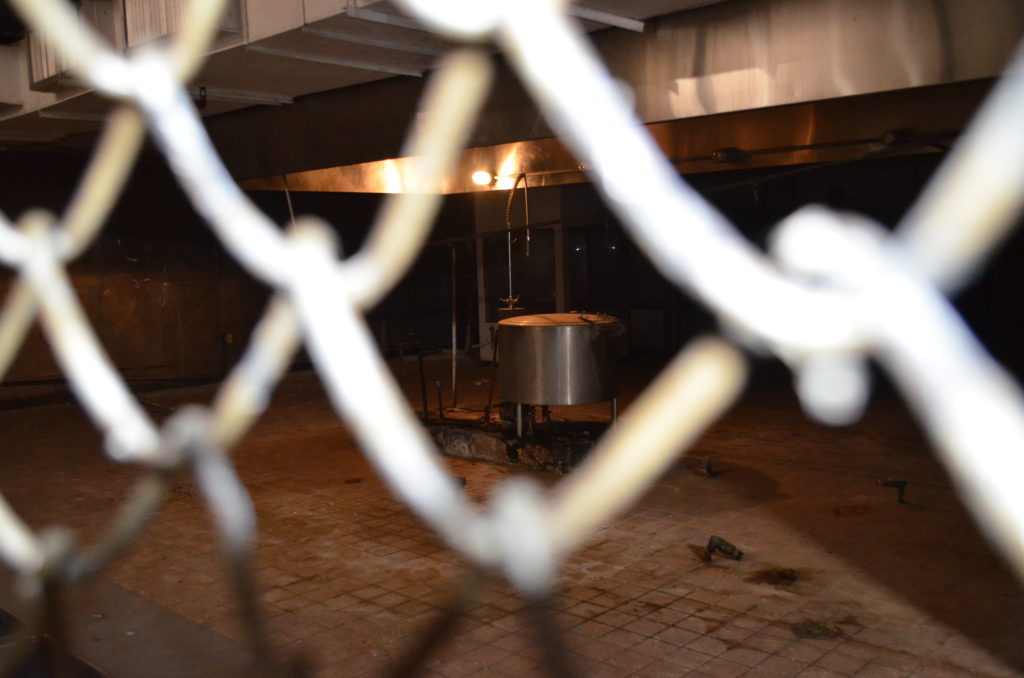
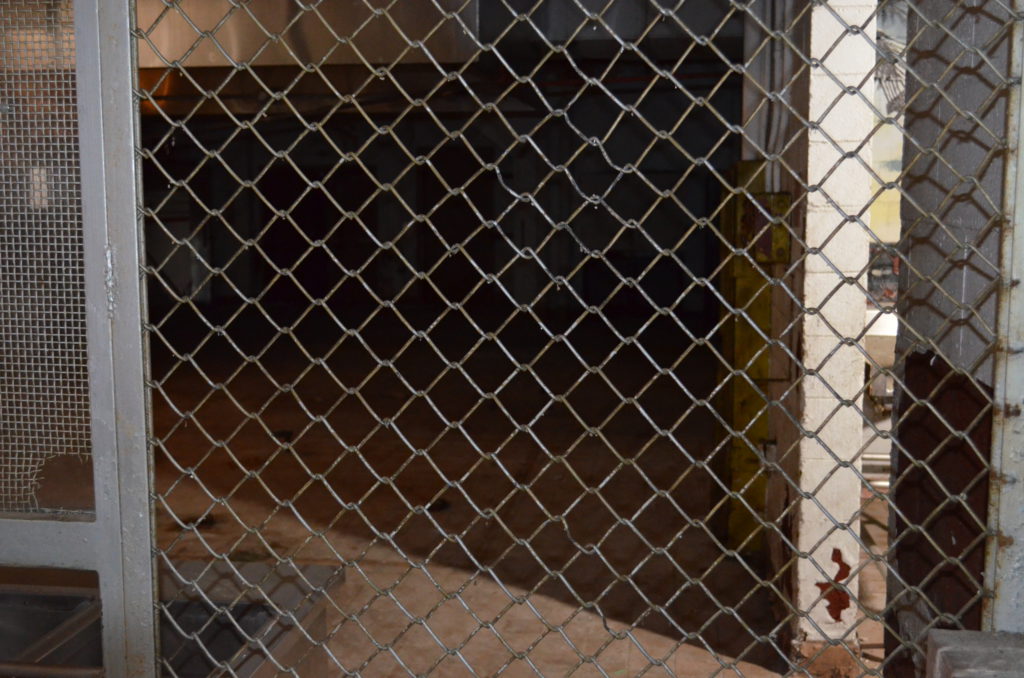
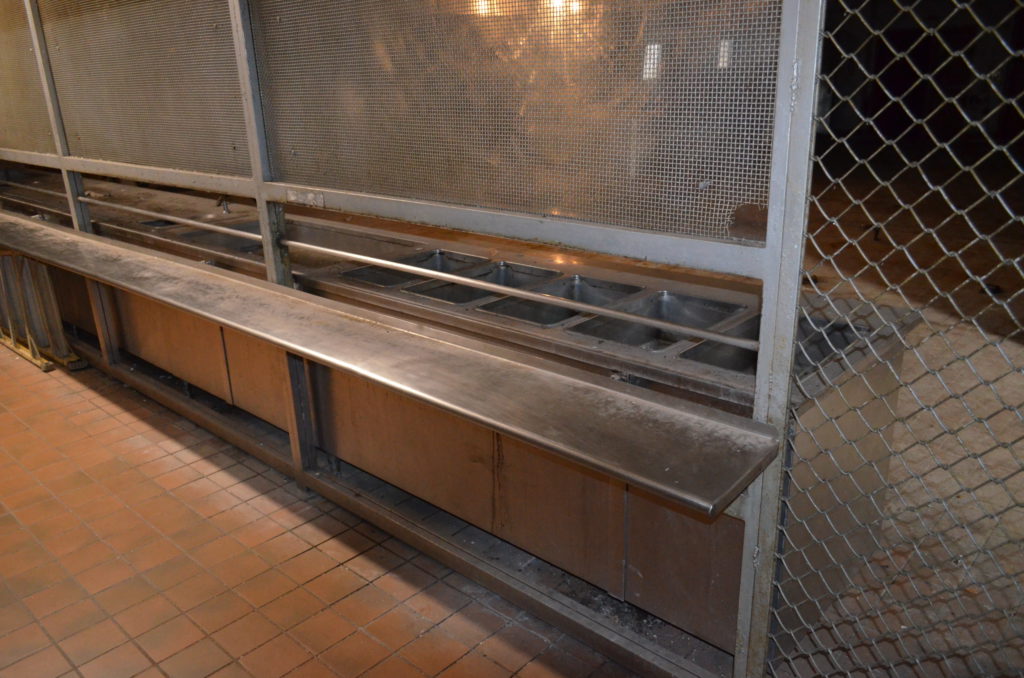
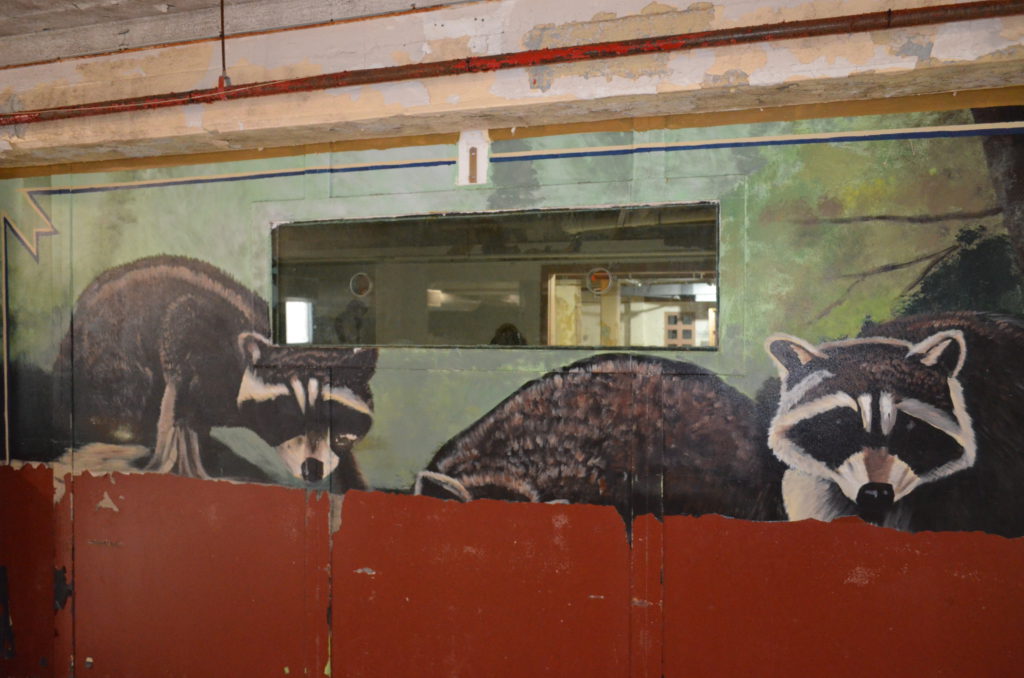
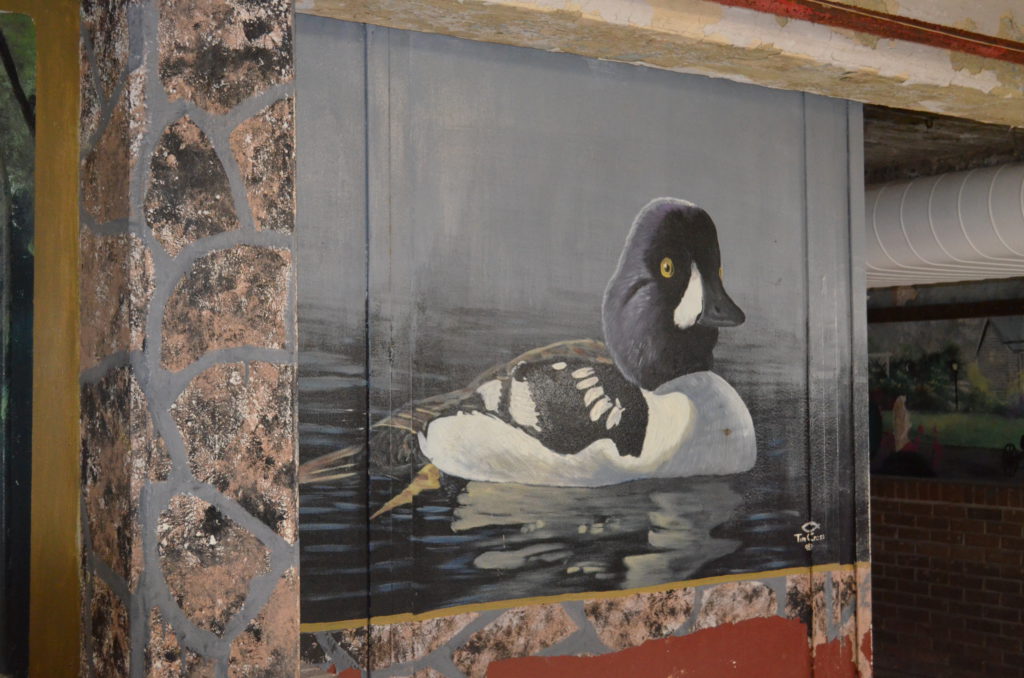
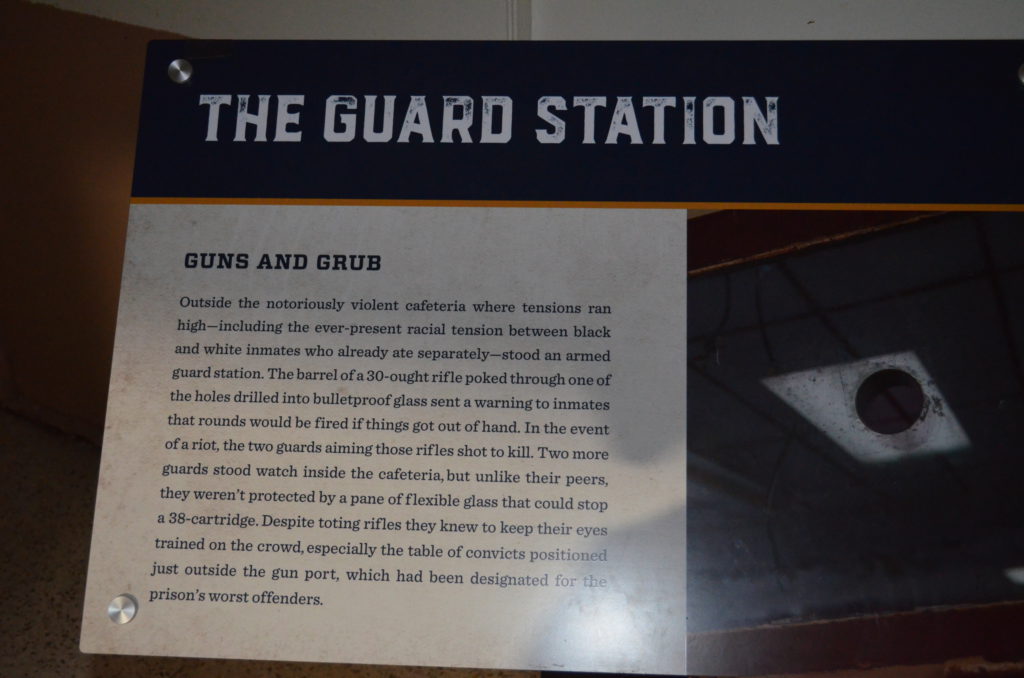
GUNS AND GRUB Outside the notoriously violent cafeteria where tensions ran high-including the ever-present racial tension between black and white inmates who already ate separately-stood an armed guard station. The barrel of a 30-ought rifle poked through one of the holes drilled into bulletproof glass sent a warning to inmates that rounds would be fired if things got out of hand. In the event of a riot, the two guards aiming those rifles shot to kill. Two more guards stood watch inside the cafeteria, but unlike their peers, they weren't protected by a pane of flexible glass that could stop a 38-cartridge. Despite toting rifles they knew to keep their eyes trained on the crowd, especially the table of convicts positioned just outside the gun port, which had been designated for the prison's worst offenders.
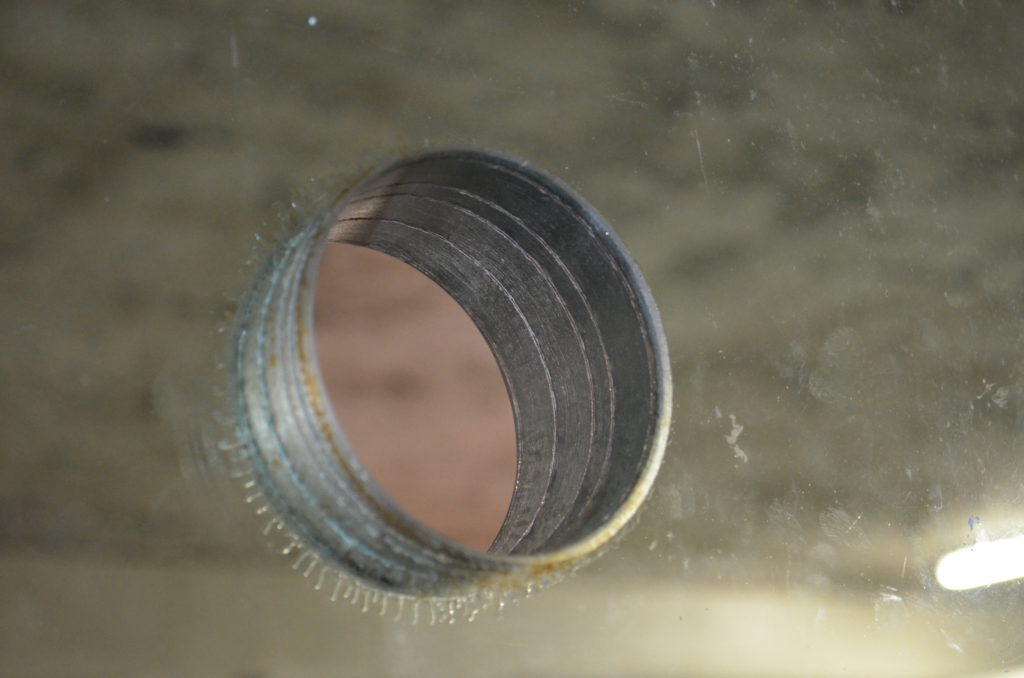
A guard would be on one side of this glass with a rifle - the glass offered a view of the cafeteria.
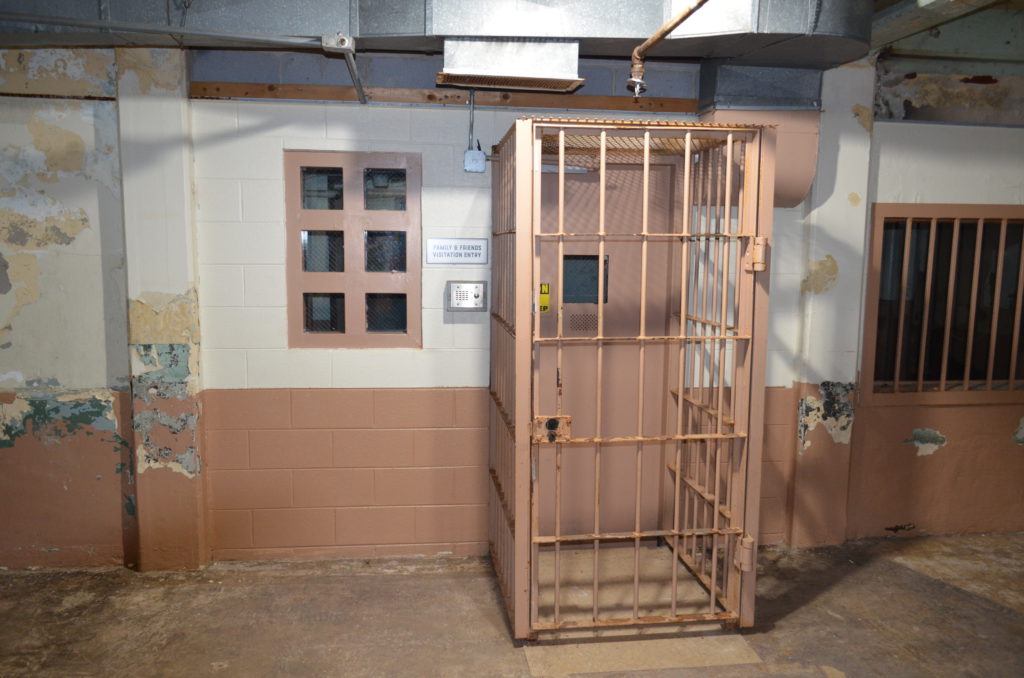
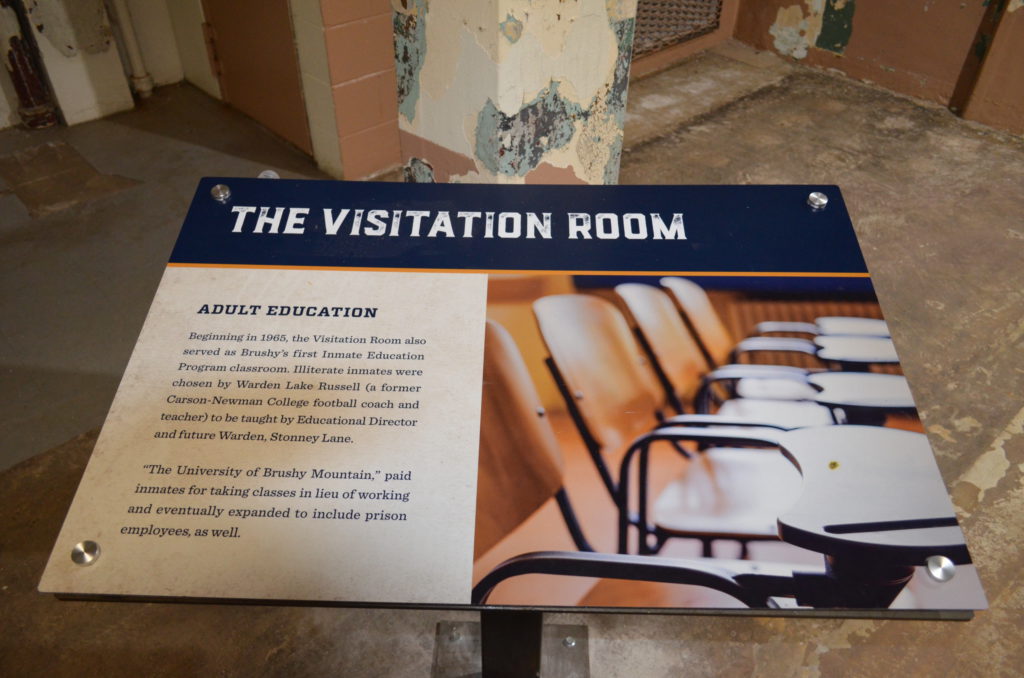
ADULT EDUCATION Beginning in 1965, the Visitation Room also served as Brushy's first Inmate Education Program classroom. Illiterate inmates were chosen by Warden Lake Russell (a former Carson-Newman College football coach and teacher) to be taught by Educational Director and future Warden, Stonney Lane. "The University of Brushy Mountain," paid inmates for taking classes in lieu of working and eventually expanded to include prison employees, as well.
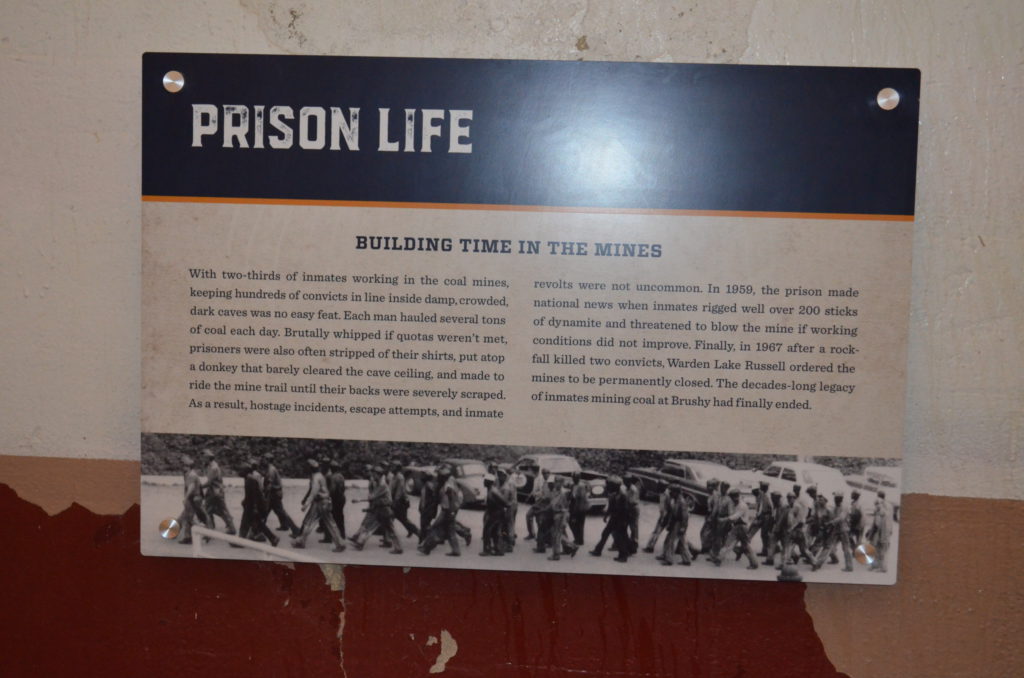
BUILDING TIME IN THE MINES With two-thirds of inmates working in the coal mines, keeping hundreds of convicts in line inside damp, crowded, dark caves was no easy feat. Each man hauled several tons of coal each day. Brutally whipped if quotas weren't met, prisoners were also often stripped of their shirts, put atop a donkey that barely cleared the cave ceiling, and made to ride the mine trail until their backs were severely scraped. As a result, hostage incidents, escape attempts, and inmate revolts were not uncommon. In 1959, the prison made national news when inmates rigged well over 200 sticks of dynamite and threatened to blow the mine if working conditions did not improve. Finally, in 1967 after a rockfall killed two convicts, Warden Lake Russell ordered the mines to be permanently closed. The decades-long legacy of inmates mining coal at Brushy had finally ended.
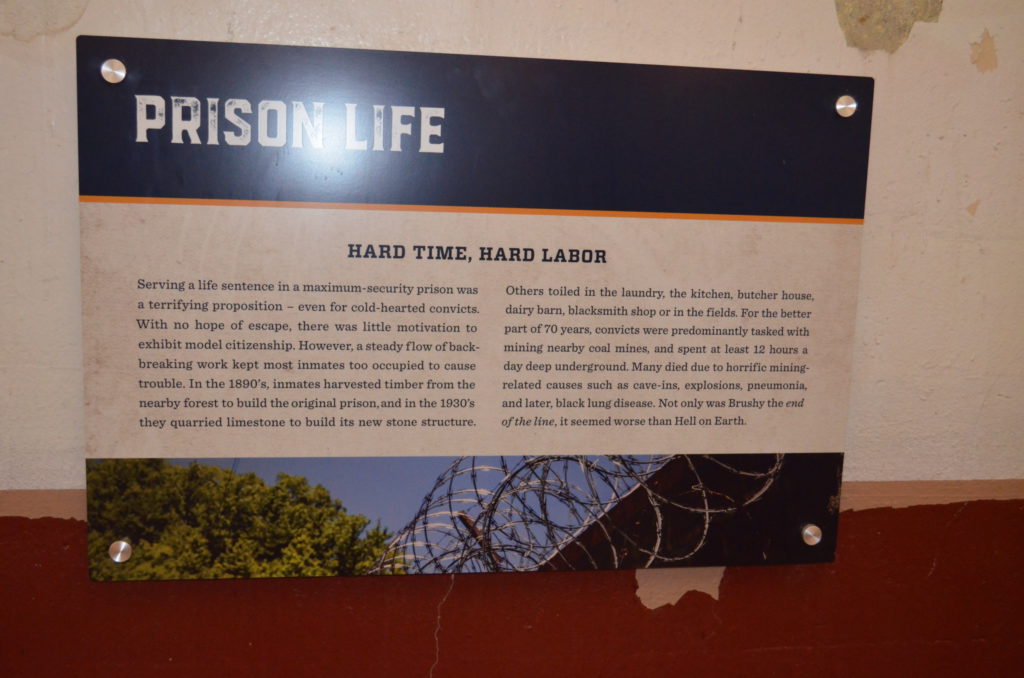
HARD TIME, HARD LABOR
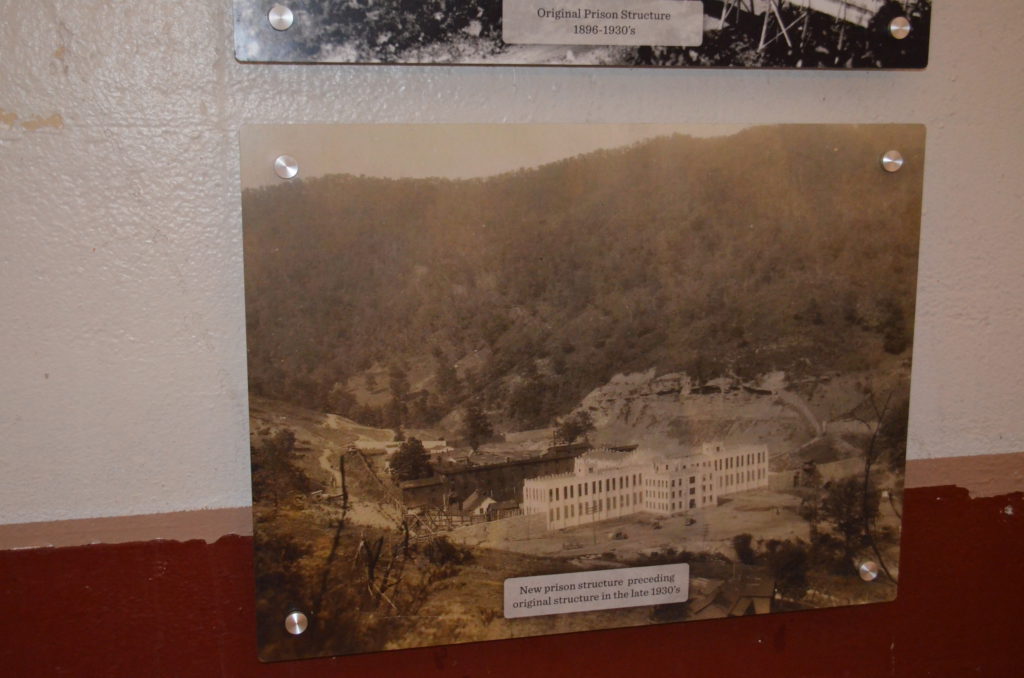
Serving a life sentence in a maximum-security prison was a terrifying proposition - even for cold-hearted convicts. With no hope of escape, there was little motivation to exhibit model citizenship. However, a steady flow of backbreaking work kept most inmates too occupied to cause trouble. In the 1890's, inmates harvested timber from the nearby forest to build the original prison, and in the 1930's they quarried limestone to build its new stone structure. Others toiled in the laundry, the kitchen, butcher house, dairy barn, blacksmith shop or in the fields. For the better part of 70 years, convicts were predominantly tasked with mining nearby coal mines, and spent at least 12 hours a day deep underground. Many died due to horrific mining-related causes such as cave-ins, explosions, pneumonia, and later, black lung disease. Not only was Brushy the end of the line, it seemed worse than Hell on Earth.
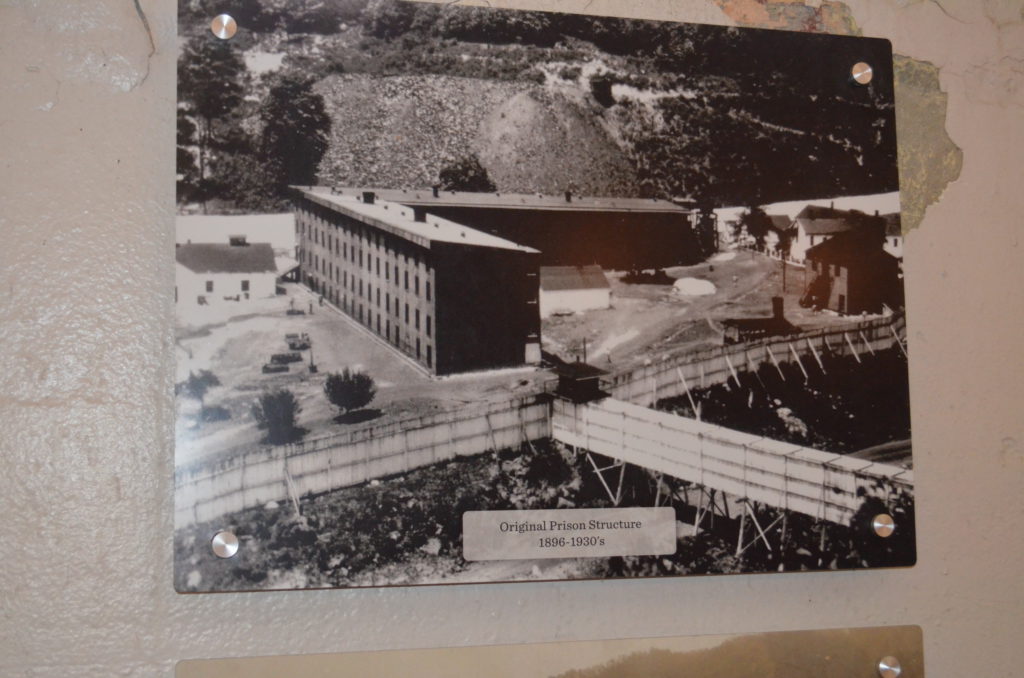
THIS AIN'T NO HOME In the early days, dirt floors - which regularly turned into mud pits - served as the prison foundation. Eventually, pine planks lined the wooden structure. Heated by potbellied stoves, "The Walks" as they were known, were initially lit by hazardous oil lanterns until those were removed at the turn of the 20th century with the advent of electricity. Inmates slept in hammocks suspended by chains from the ceiling in order to keep the vermin at bay. Over the decades, Brushy was chronically overcrowded, and famously known for "double-celling" prisoners; but in 1896, there were no prison cells. By 1905, a total of 740 prisoners lived on five different floors, with 140 white inmates occupying one floor and 600 black inmates on the remaining four floors. Black and white convicts were completely segregated in separate prison wings, shower rooms, and dining tables.
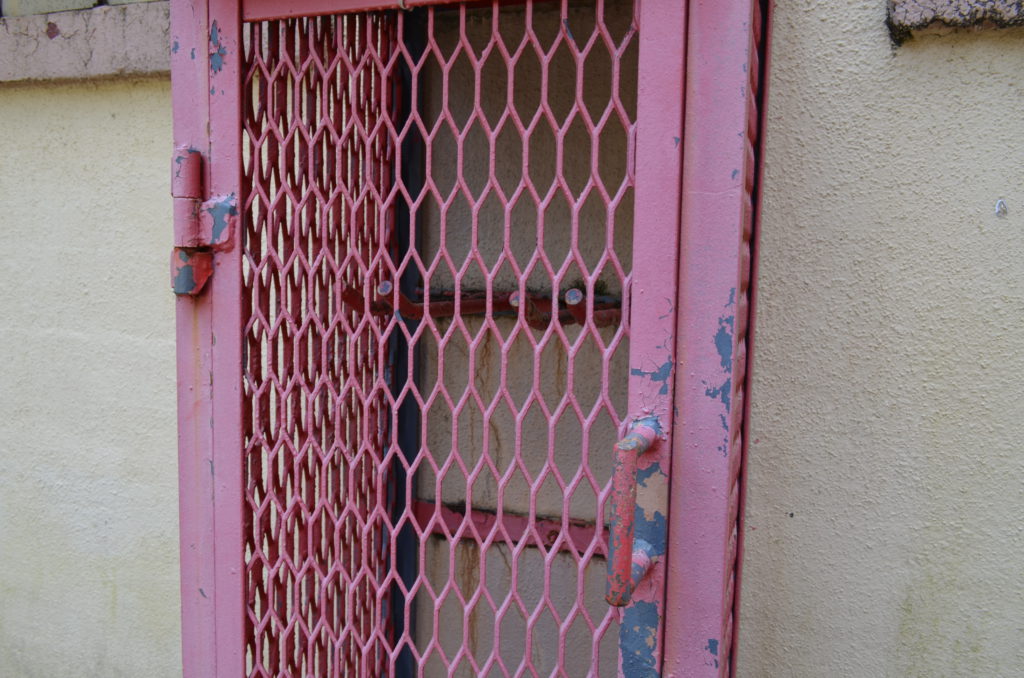
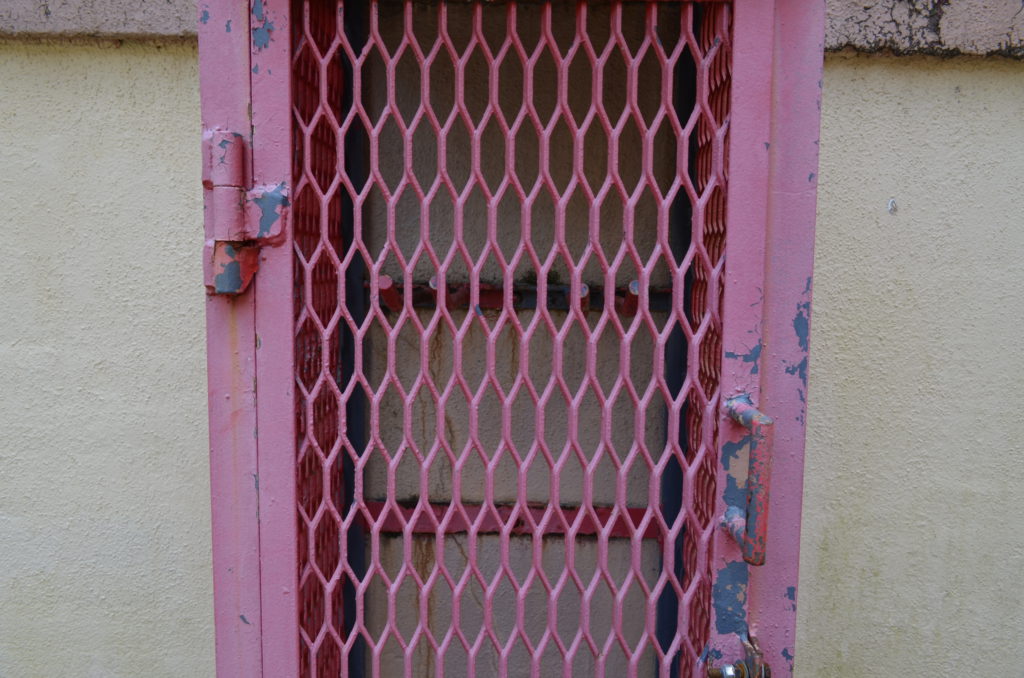
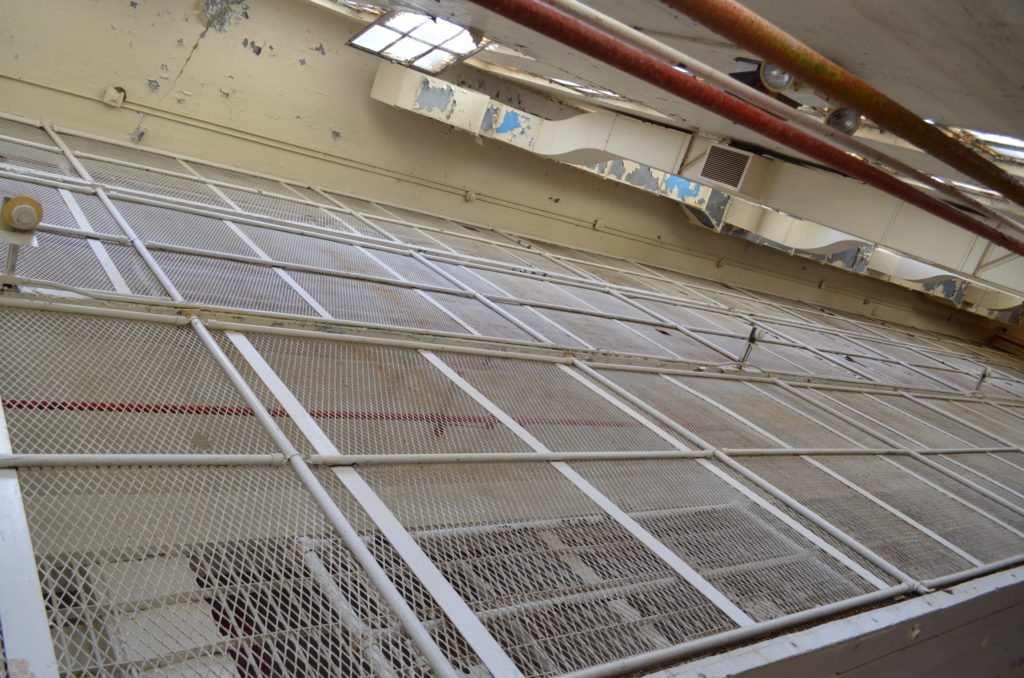
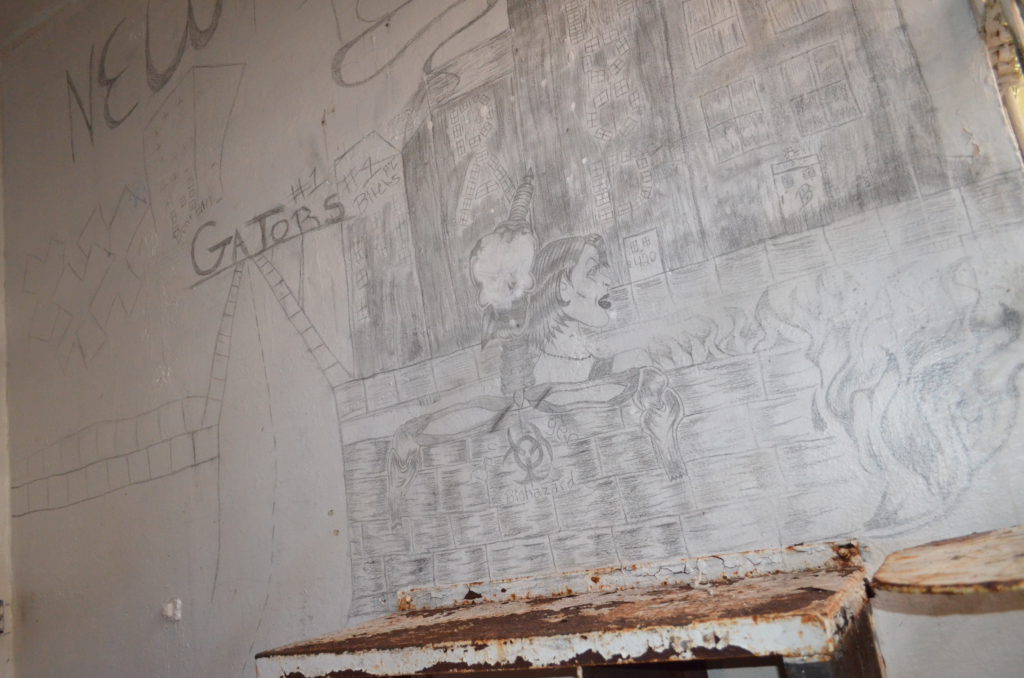
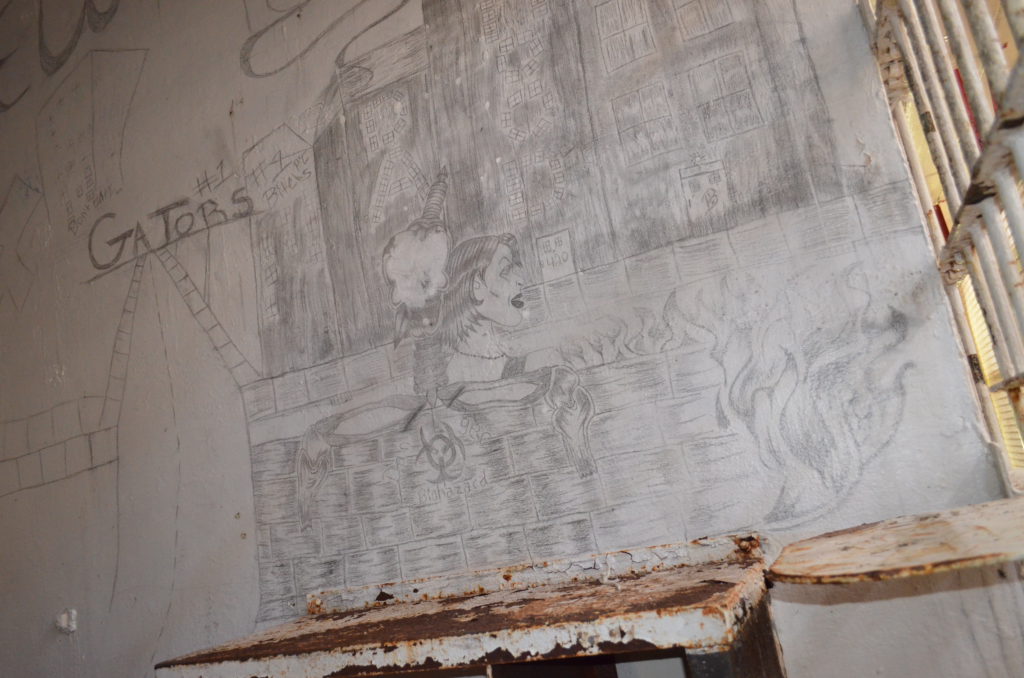
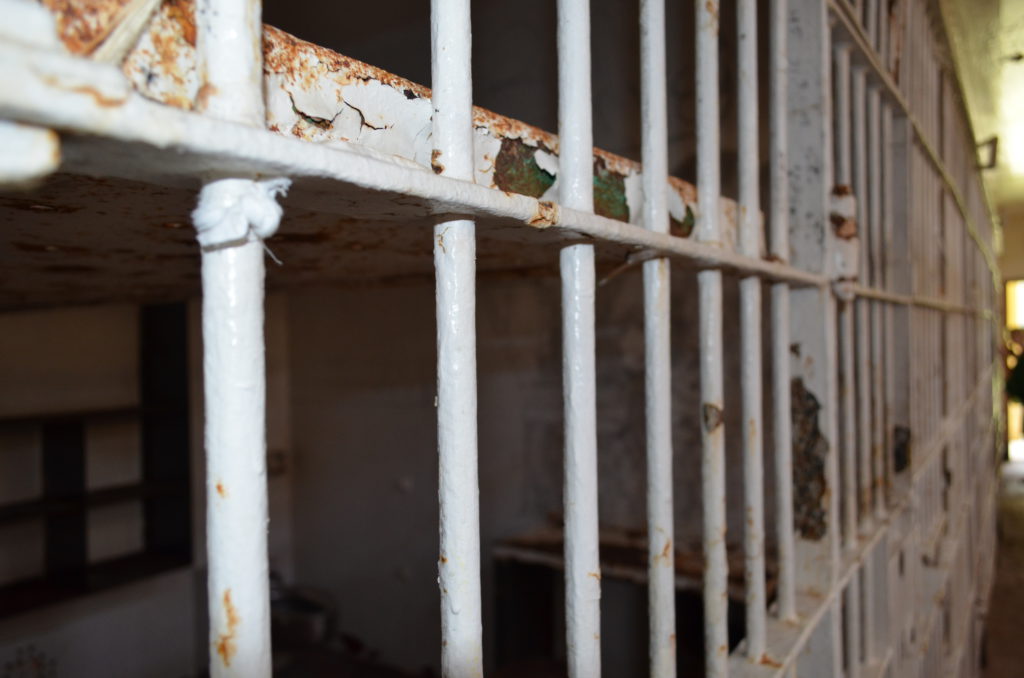
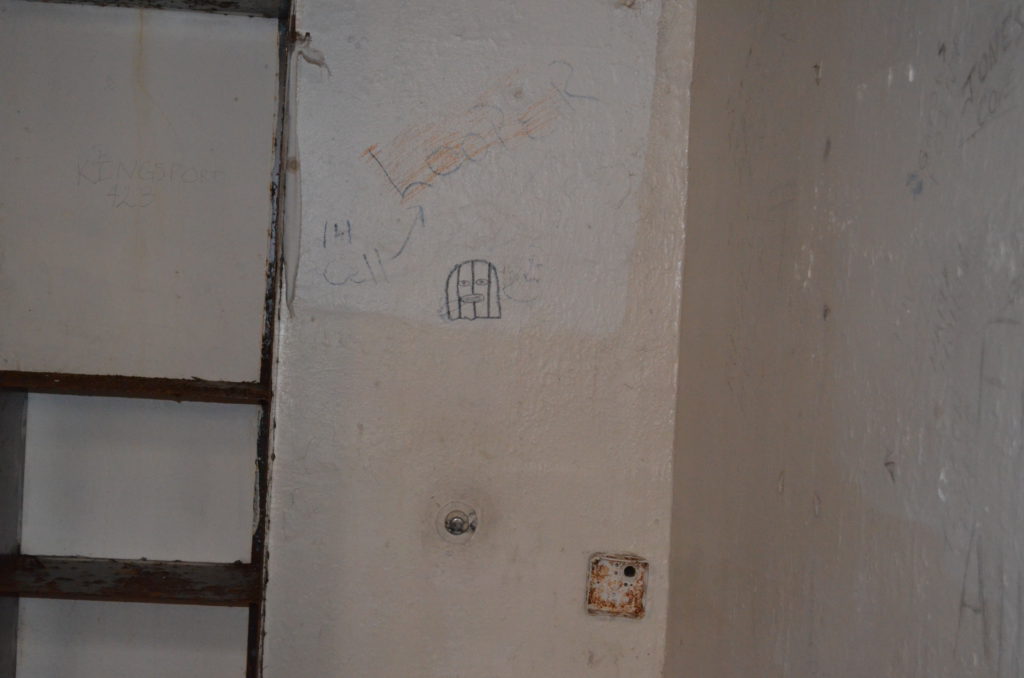
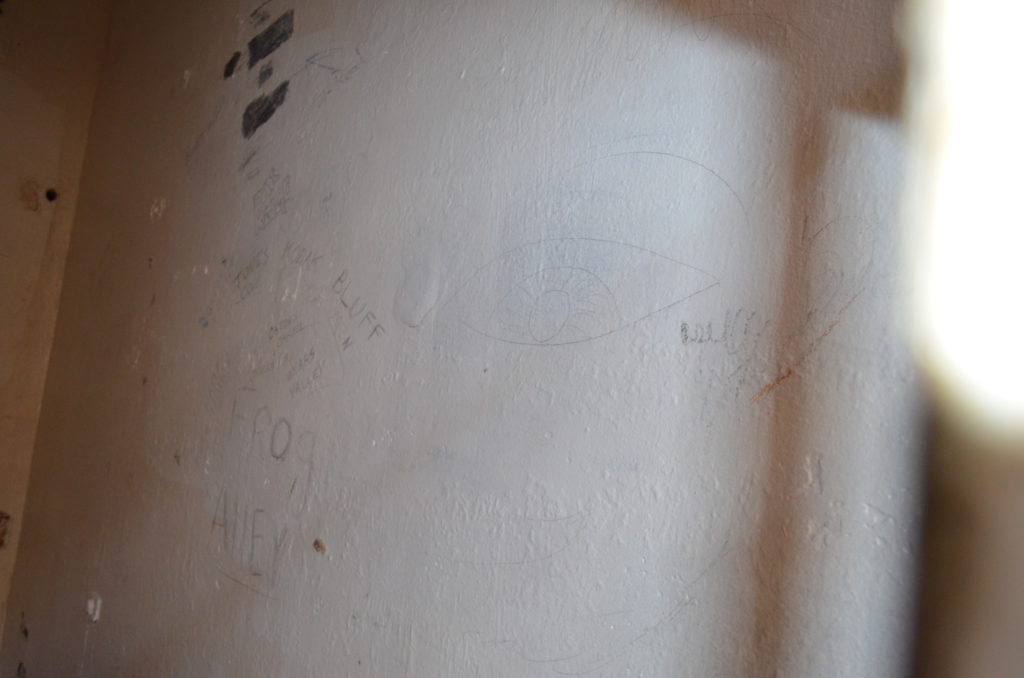
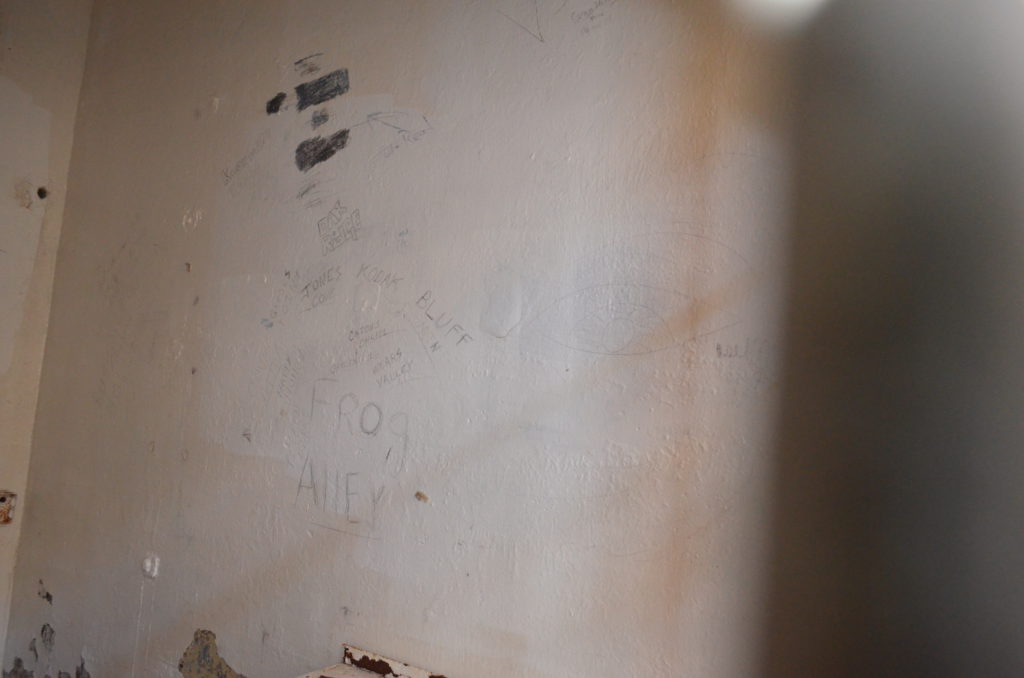
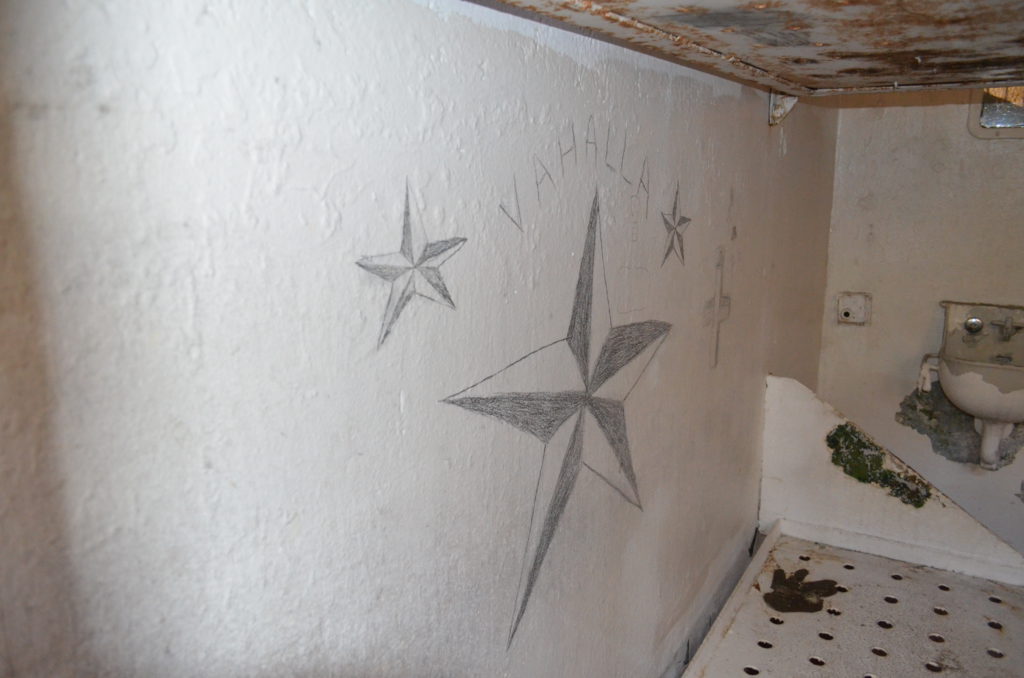
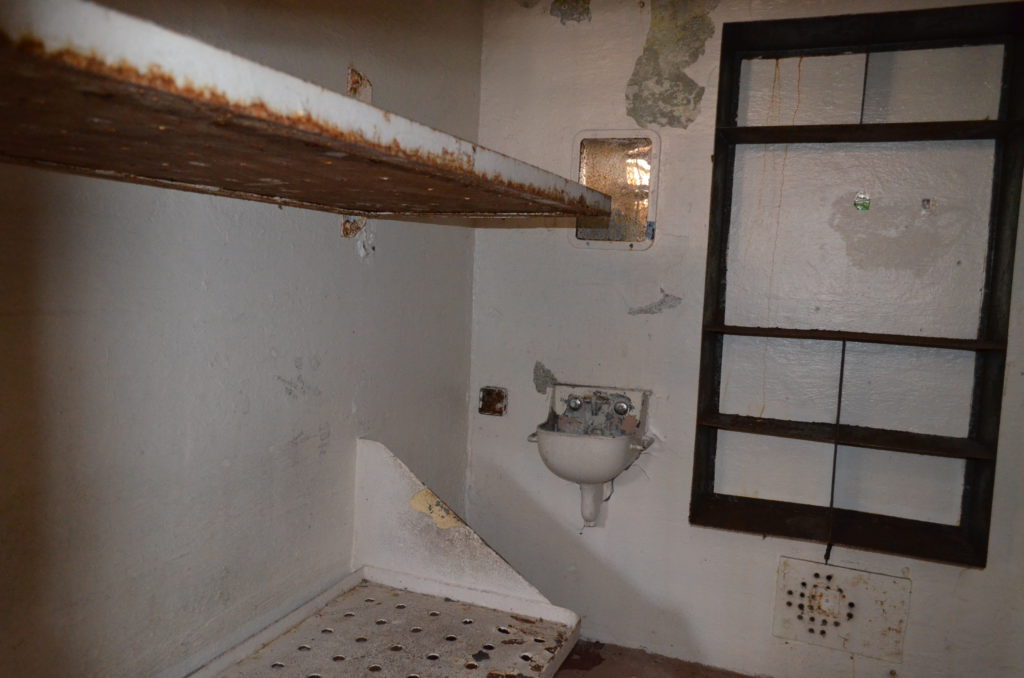
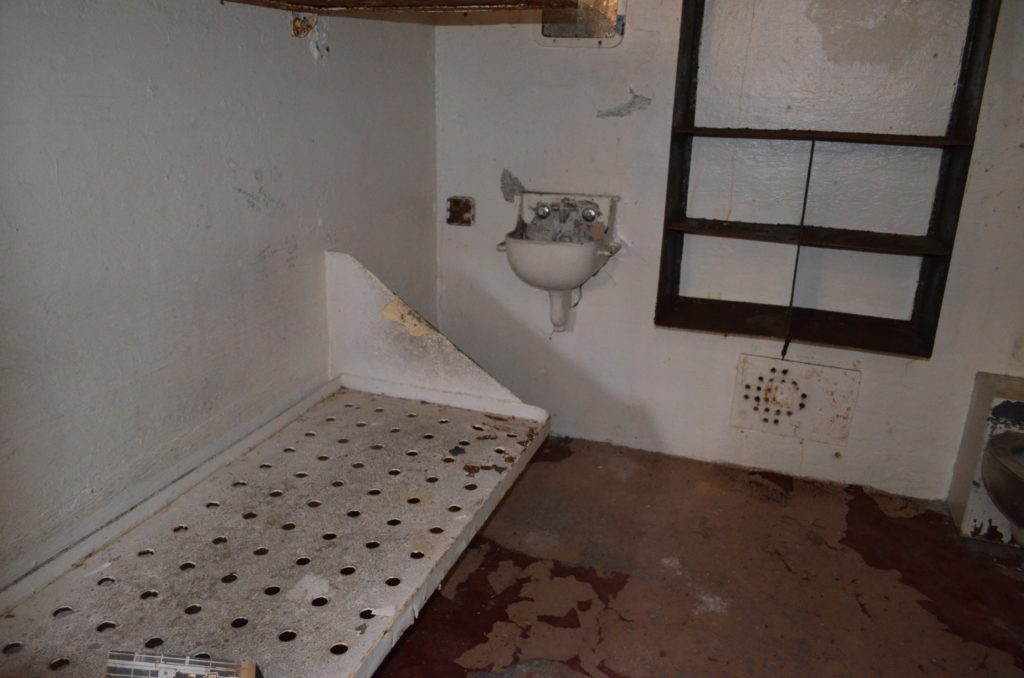
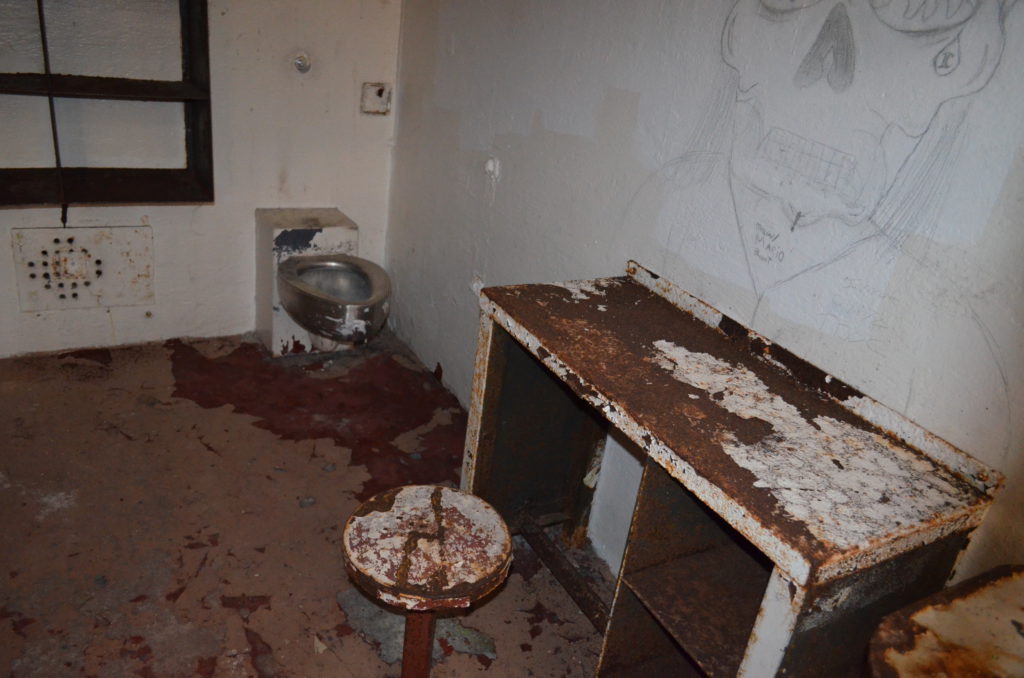
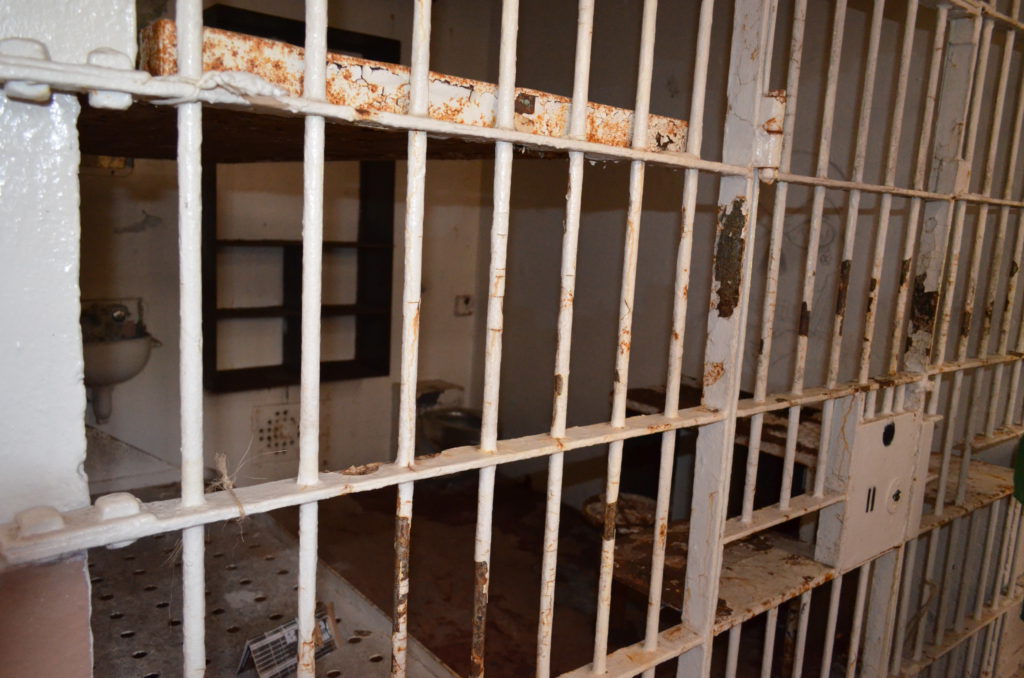
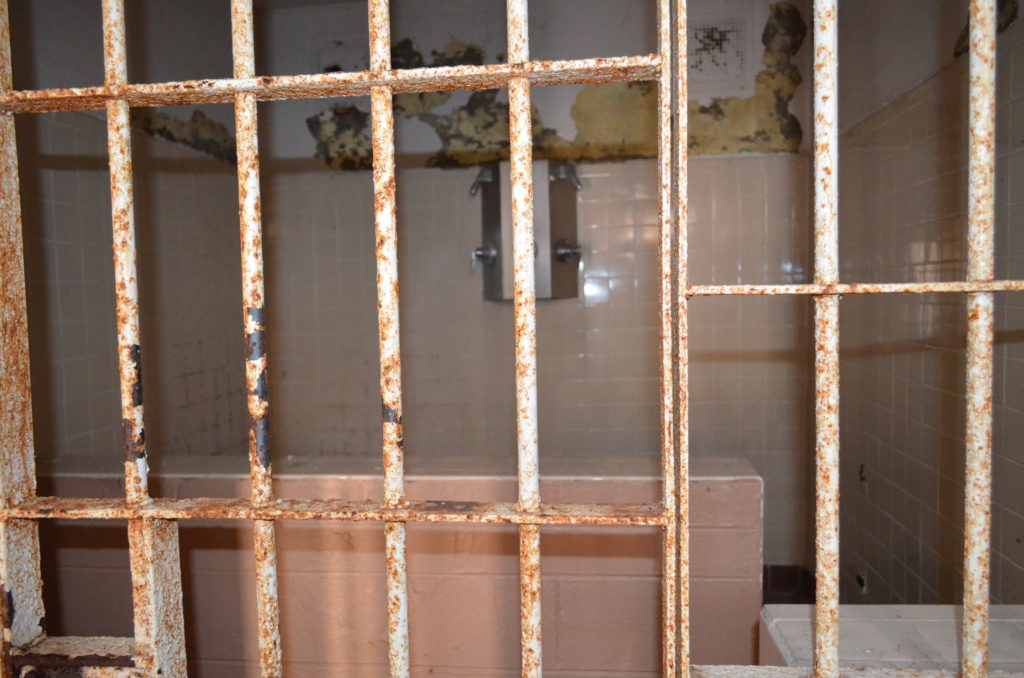
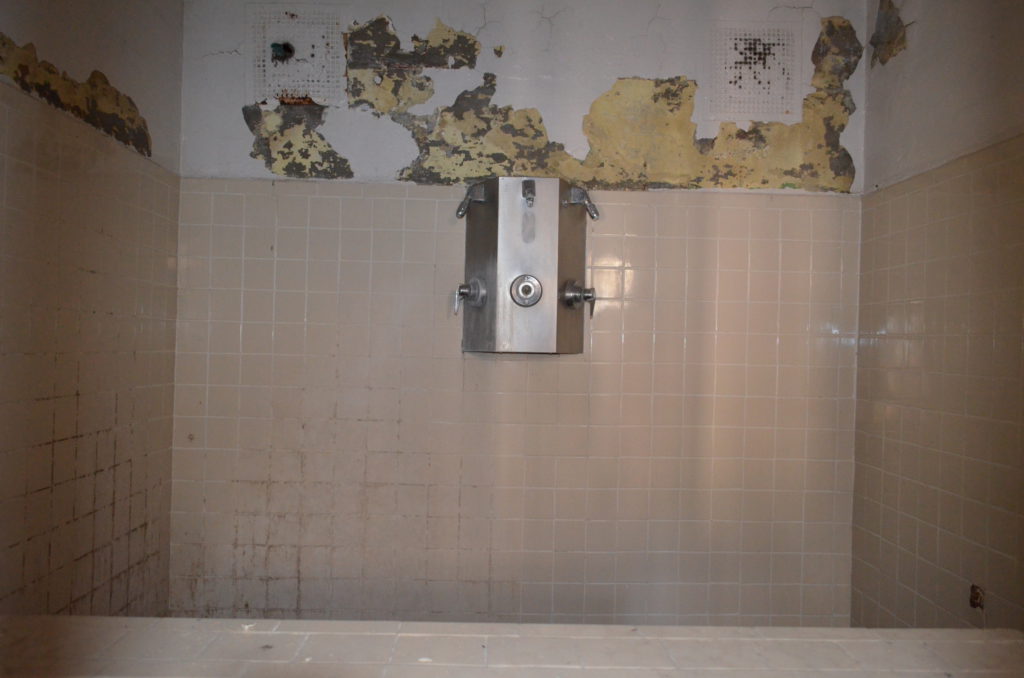
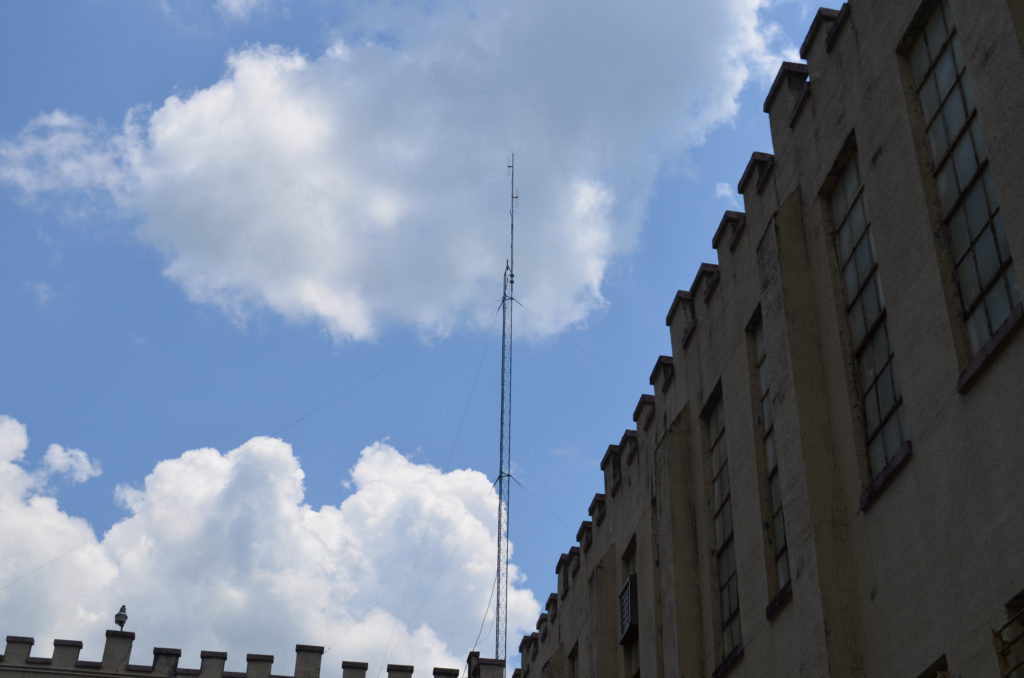
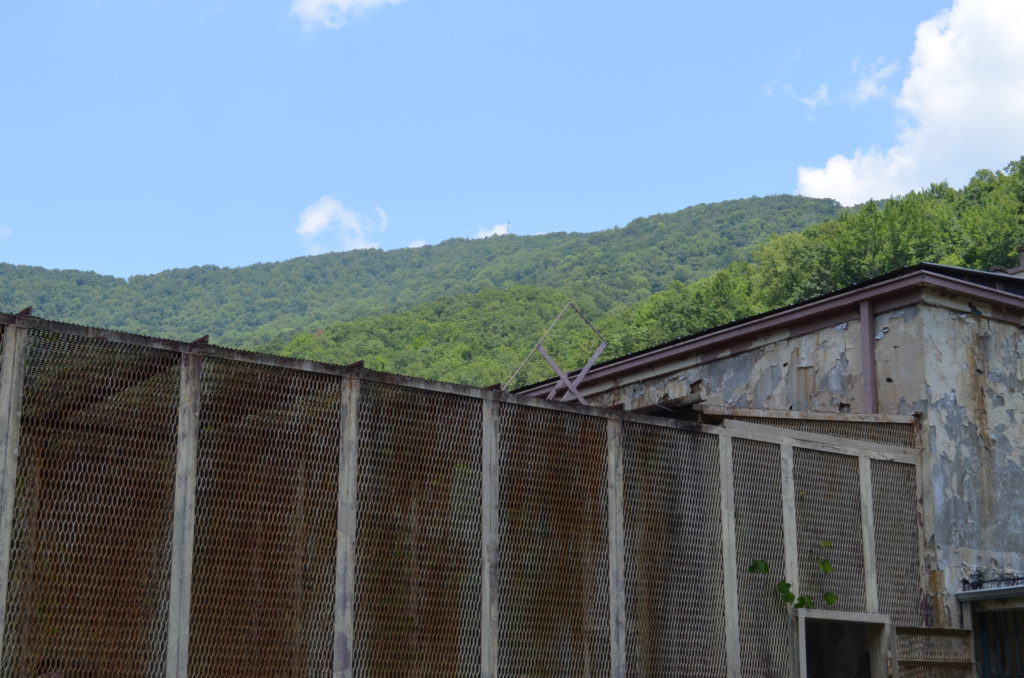
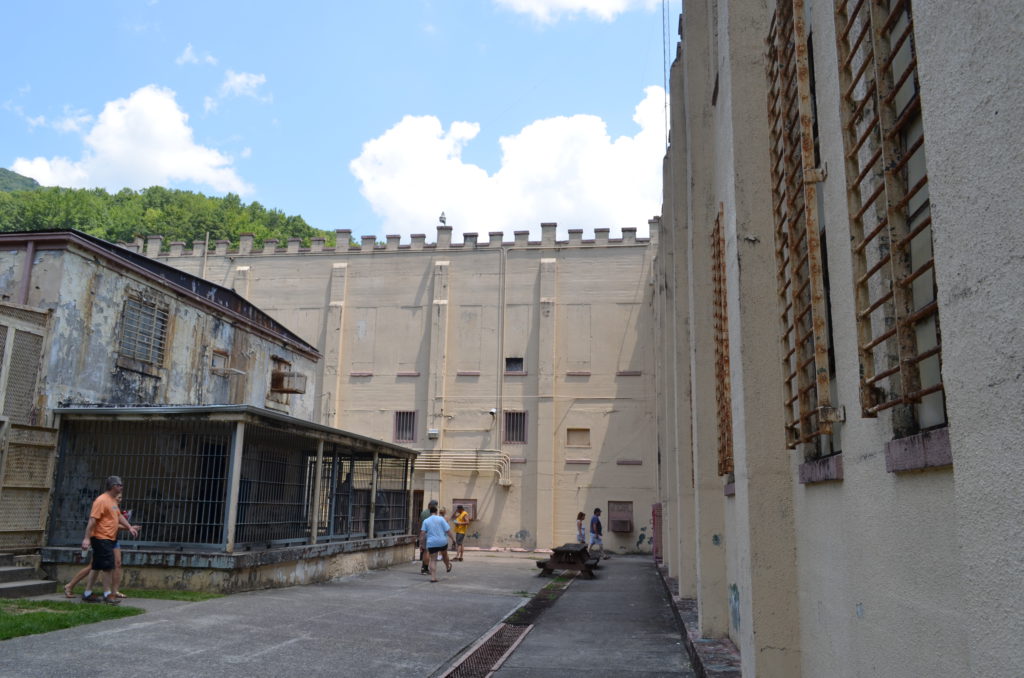
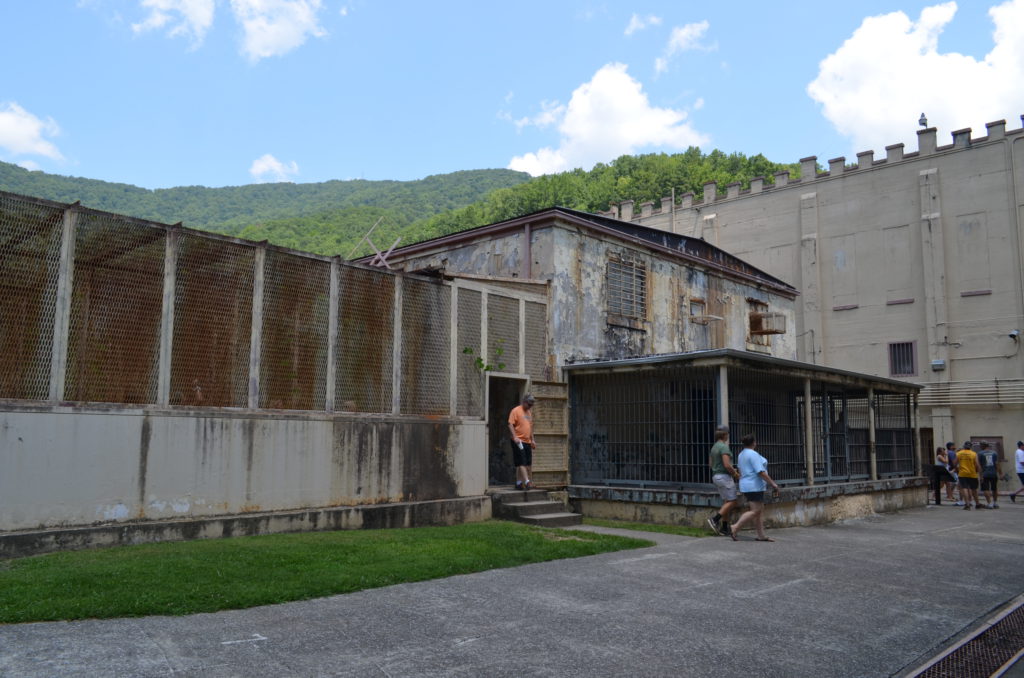
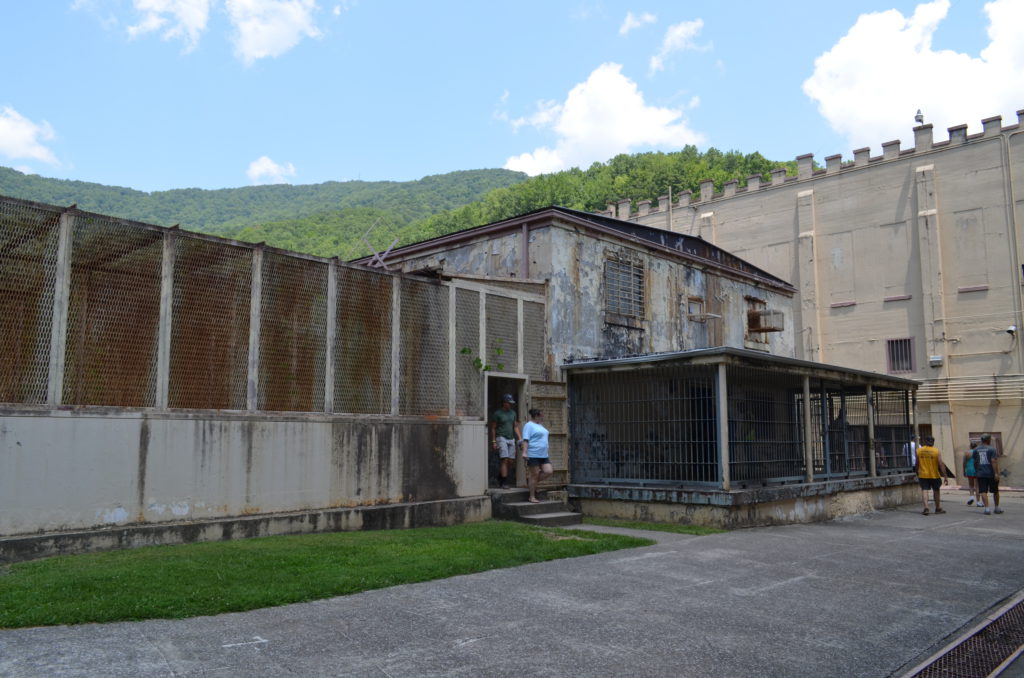
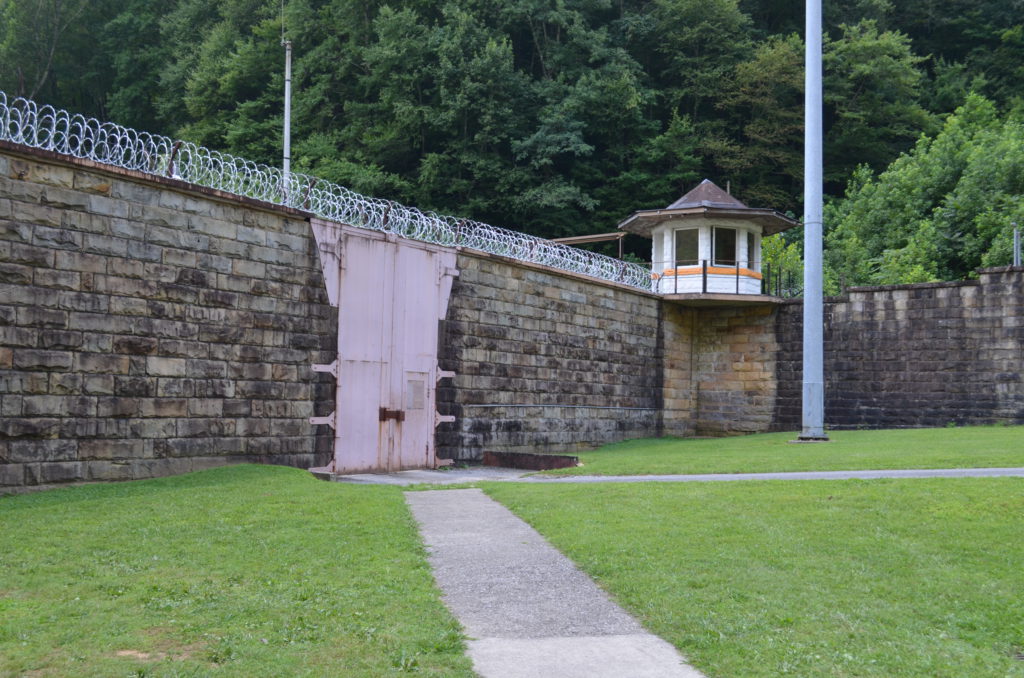
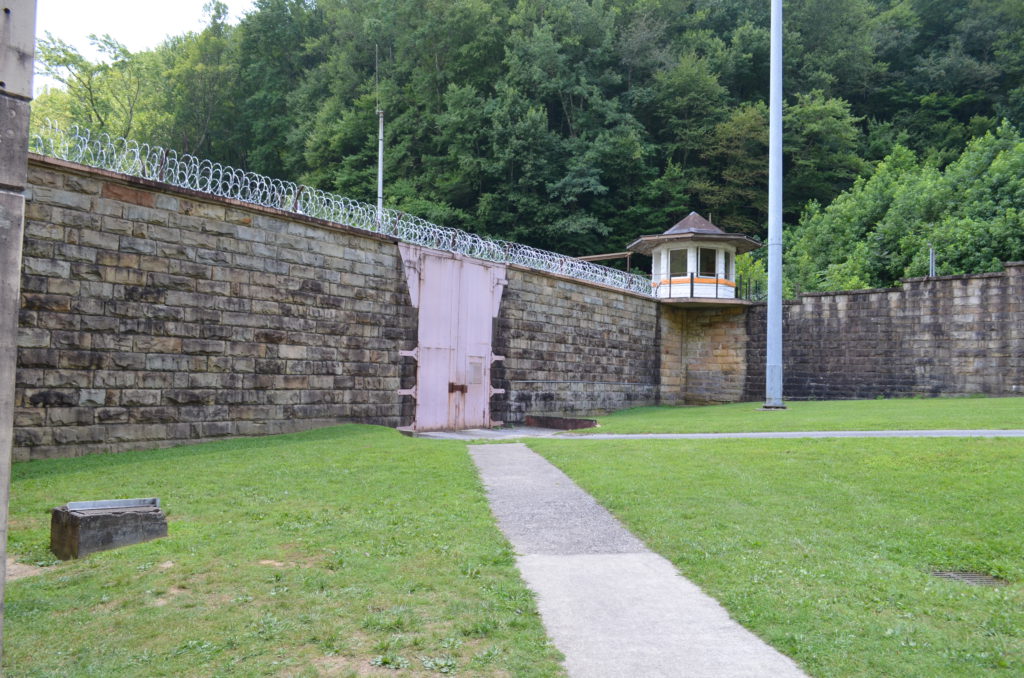
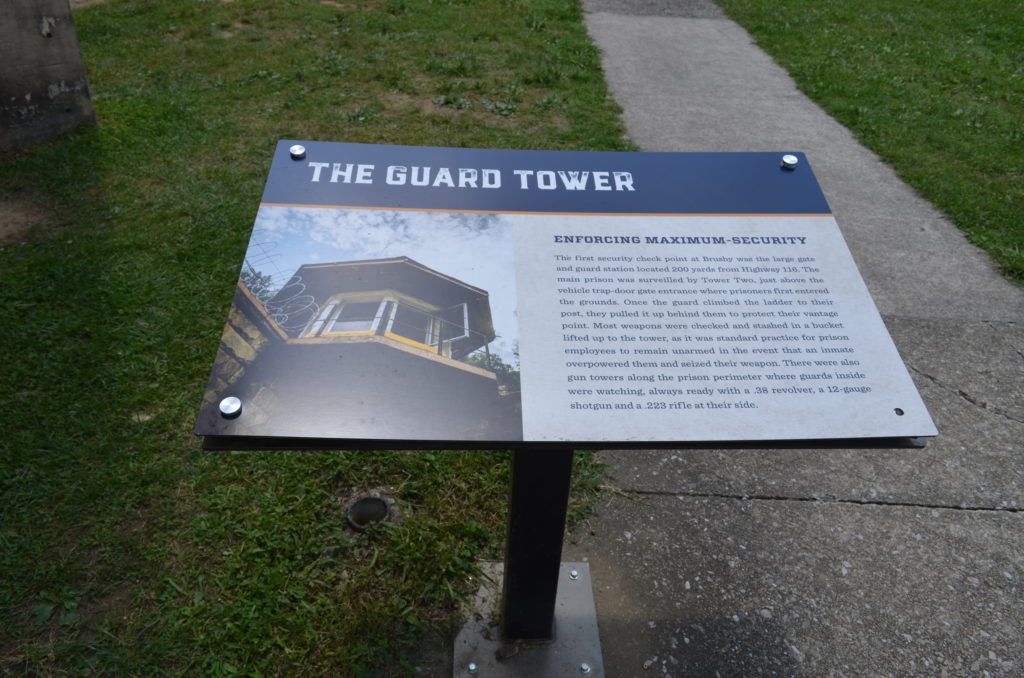
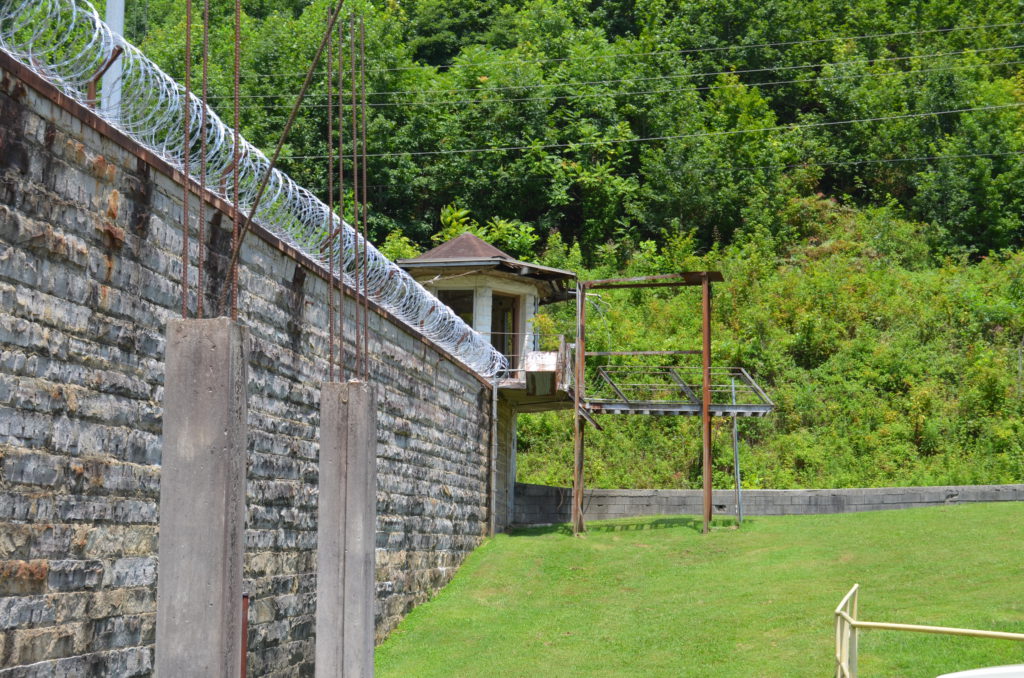
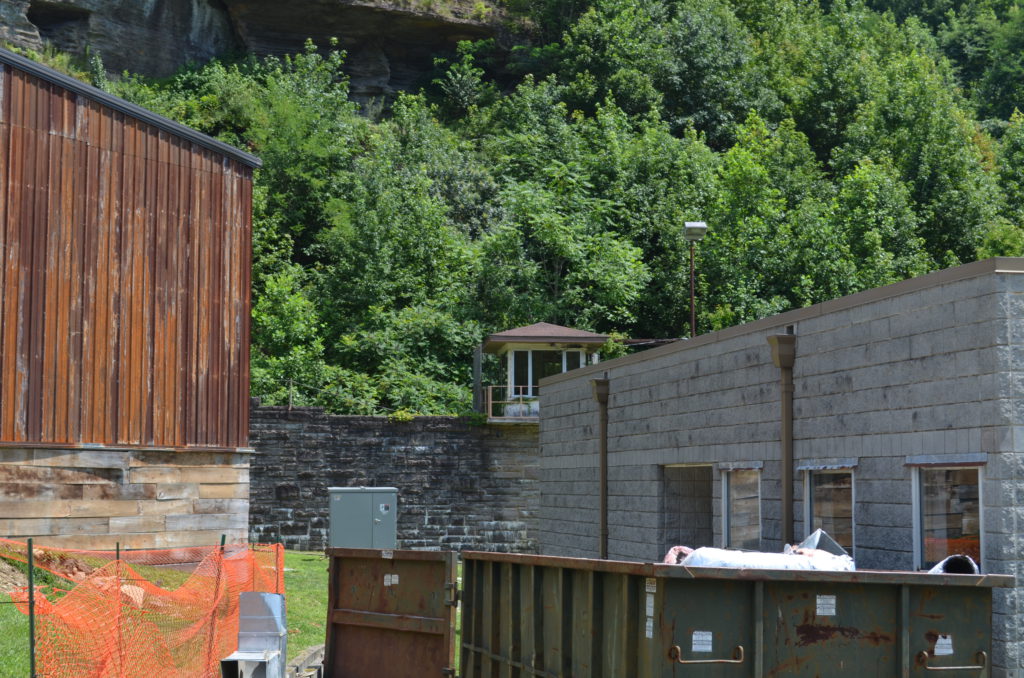
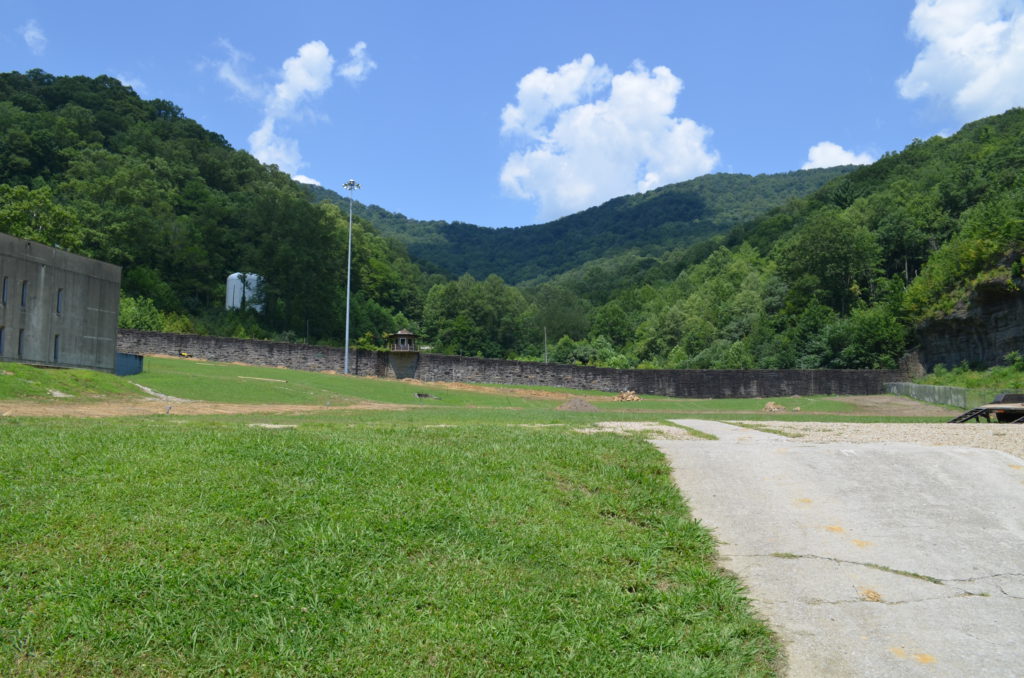
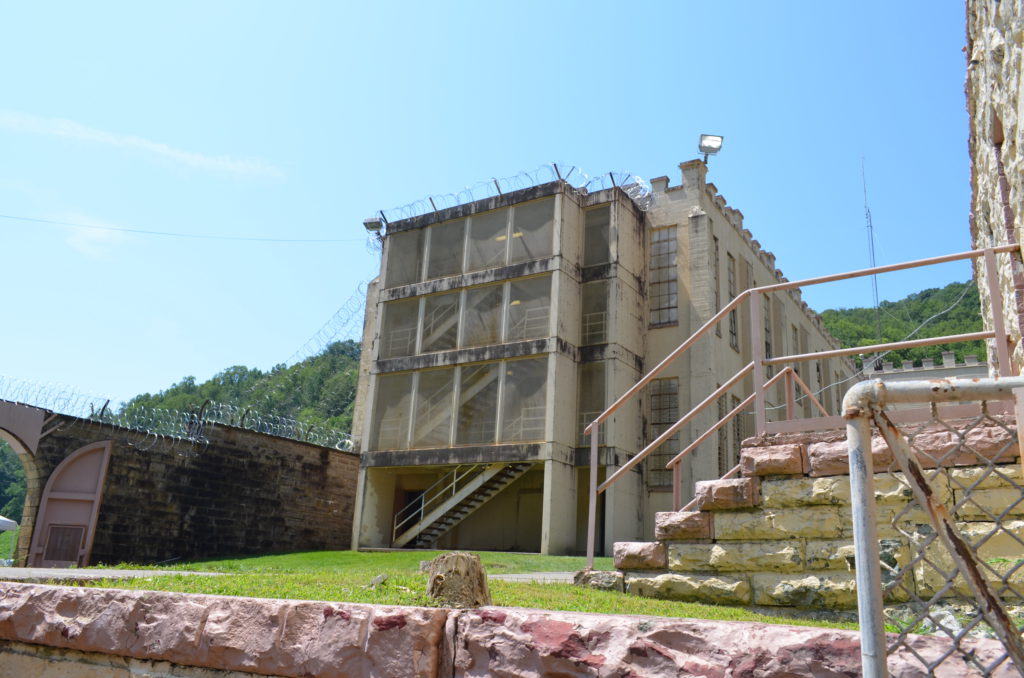
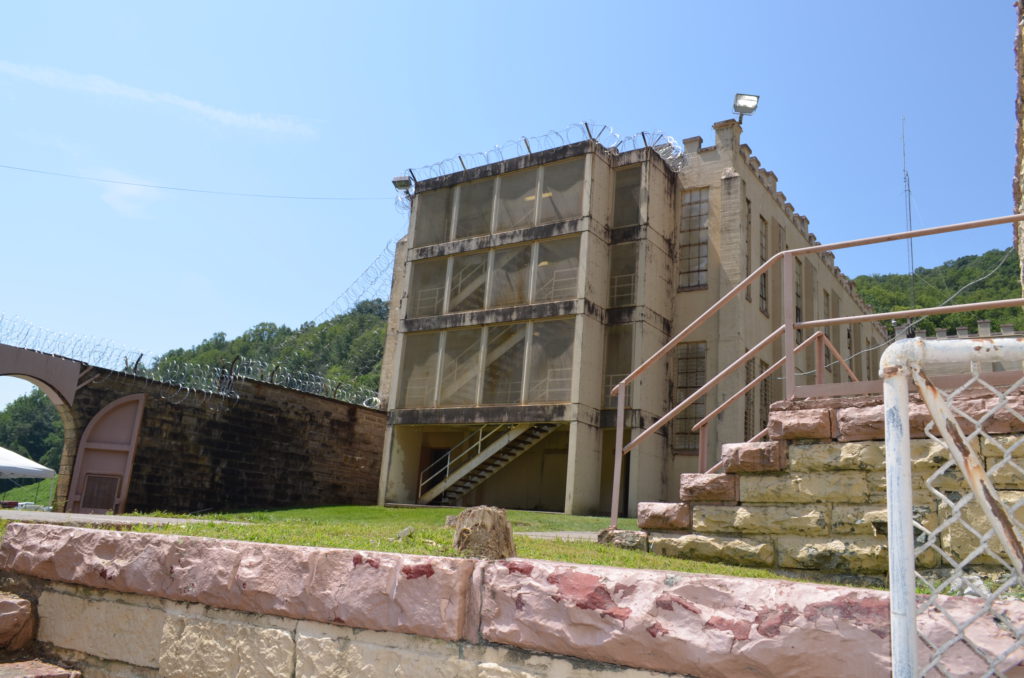
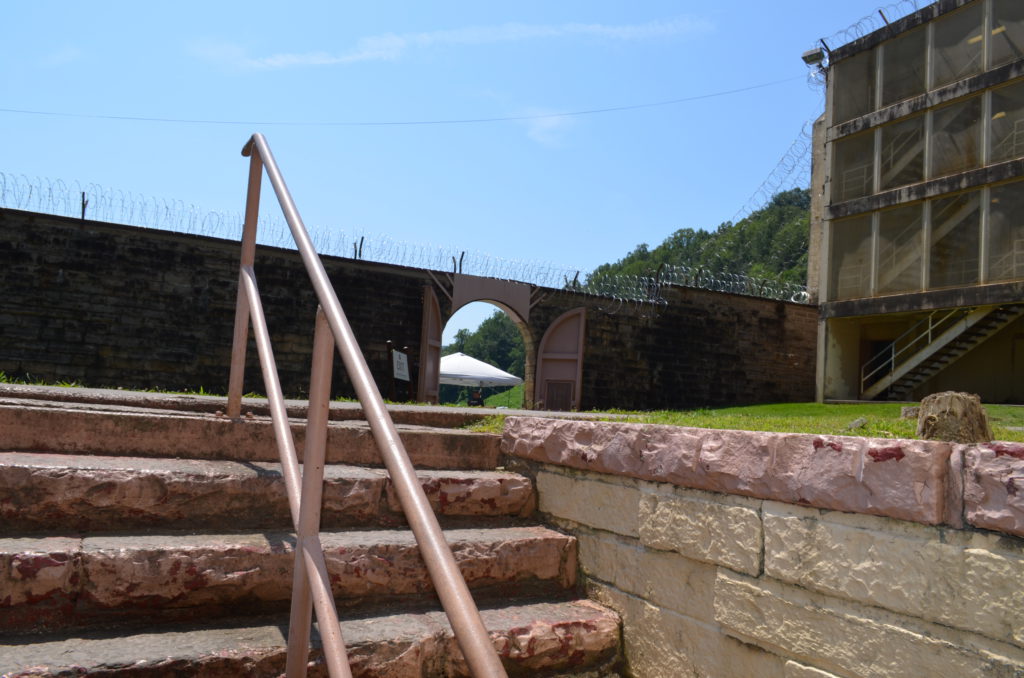
ENFORCING MAXIMUM-SECURITY The first security check point at Brushy was the large gate and guard station located 200 yards from Highway 116. The main prison was surveilled by Tower Two, just above the vehicle trap-door gate entrance where prisoners first entered the grounds. Once the guard climbed the ladder to their post, they pulled it up behind them to protect their vantage point. Most weapons were checked and stashed in a bucket lifted up to the tower, as it was standard practice for prison employees to remain unarmed in the event that an inmate overpowered them and seized their weapon. There were also gun towers along the prison perimeter where guards inside were watching, always ready with a .38 revolver, a 12-gauge shotgun and a .223 rifle at their side.
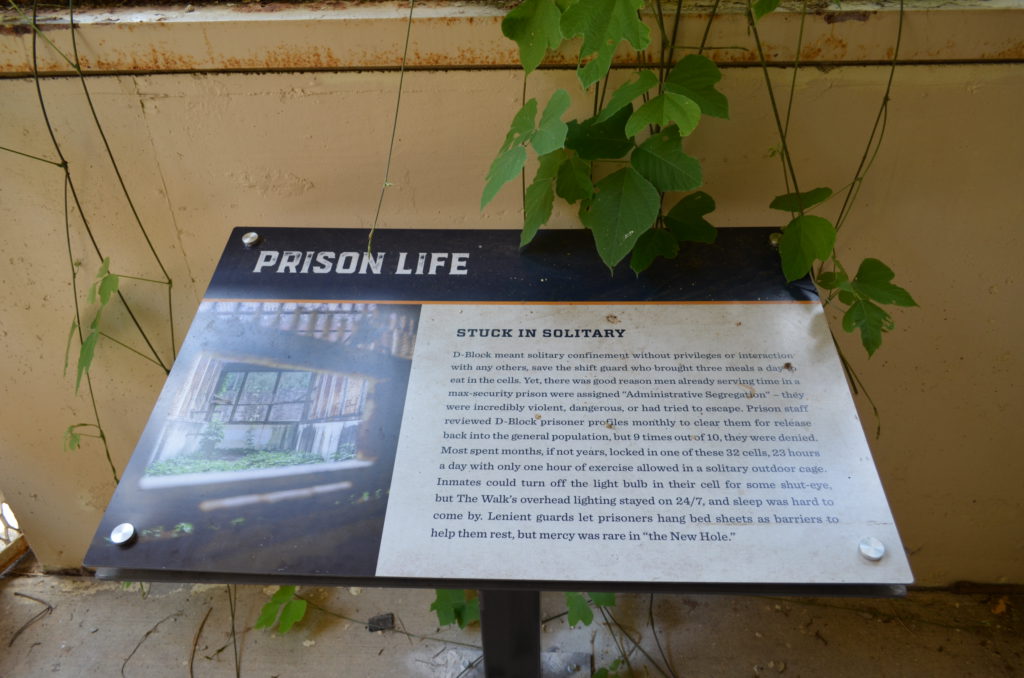
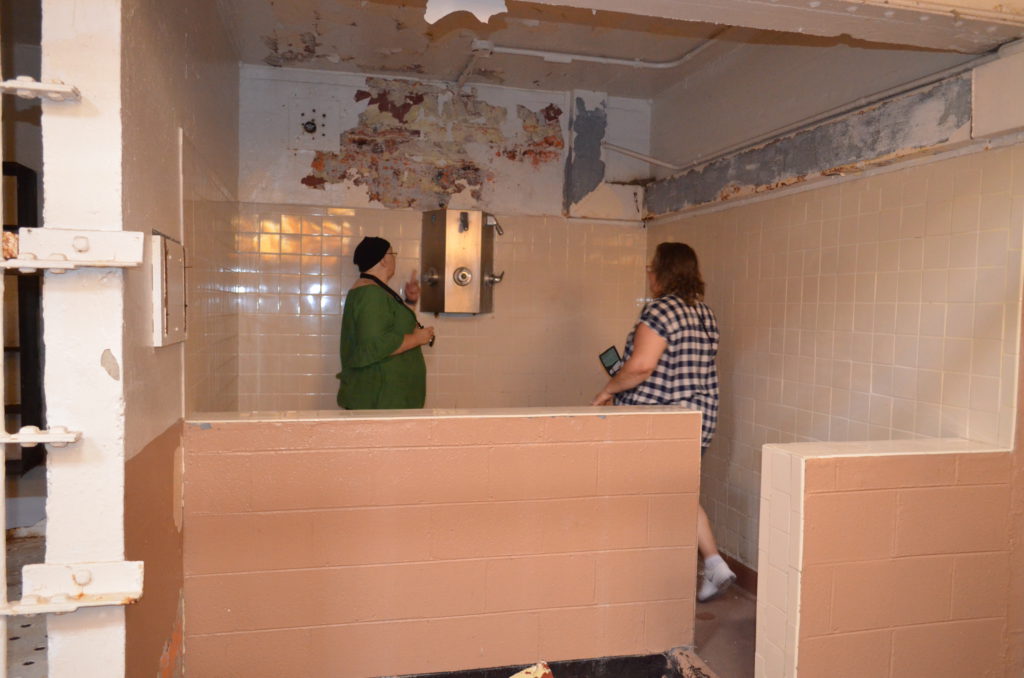
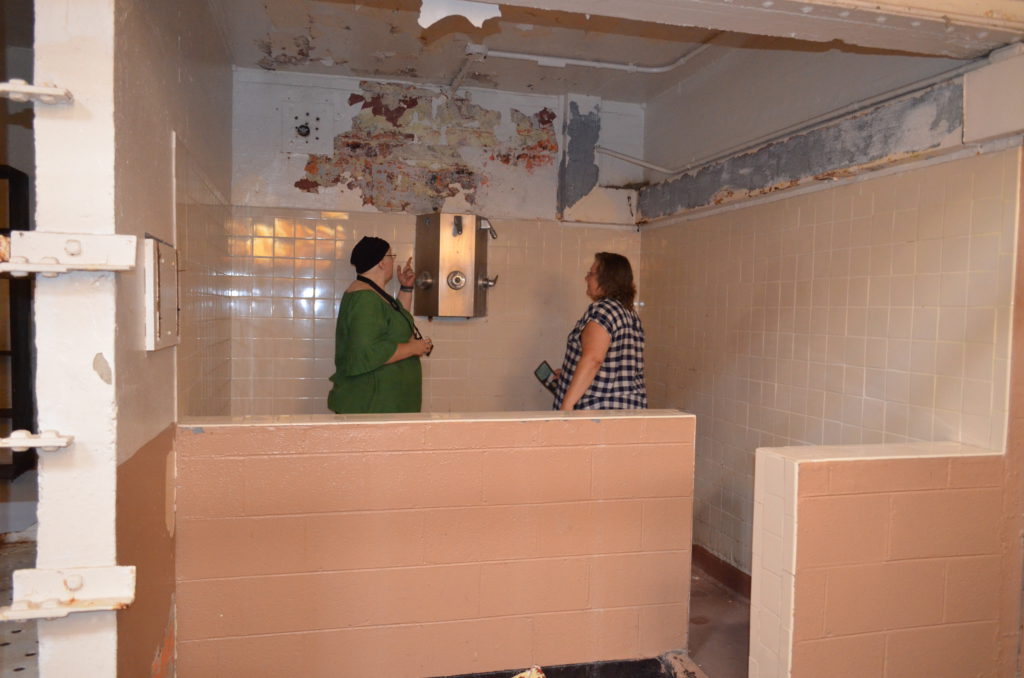
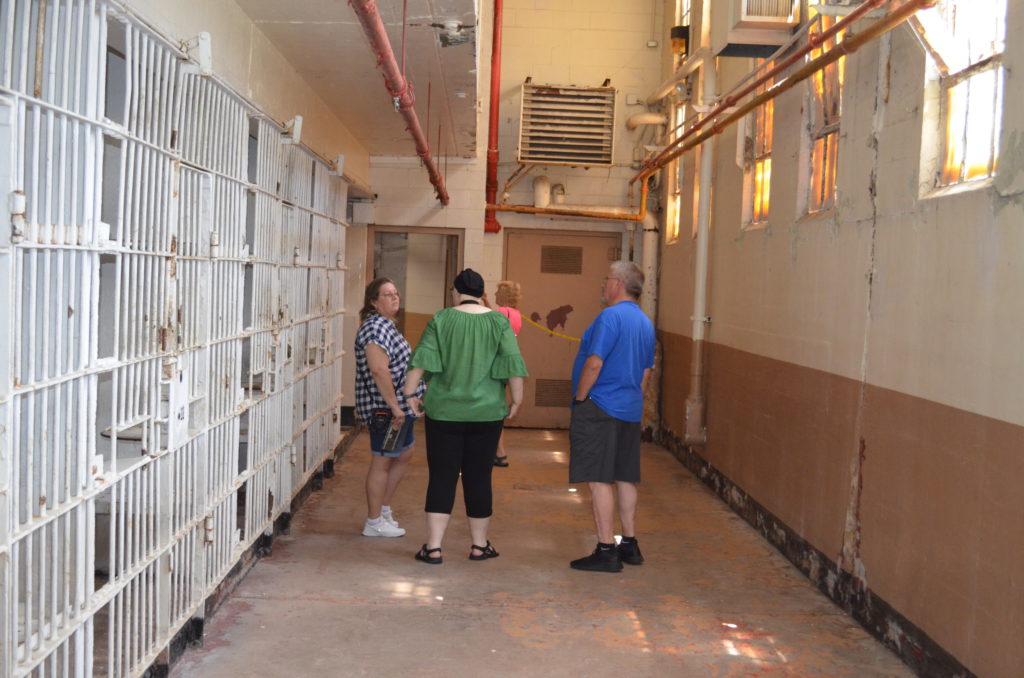
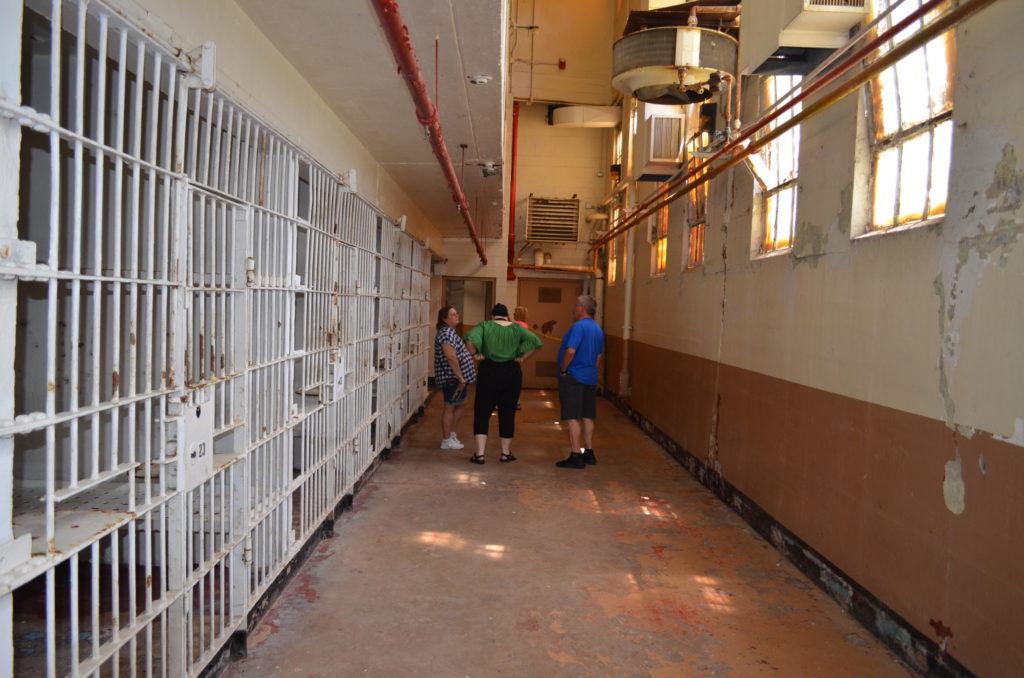
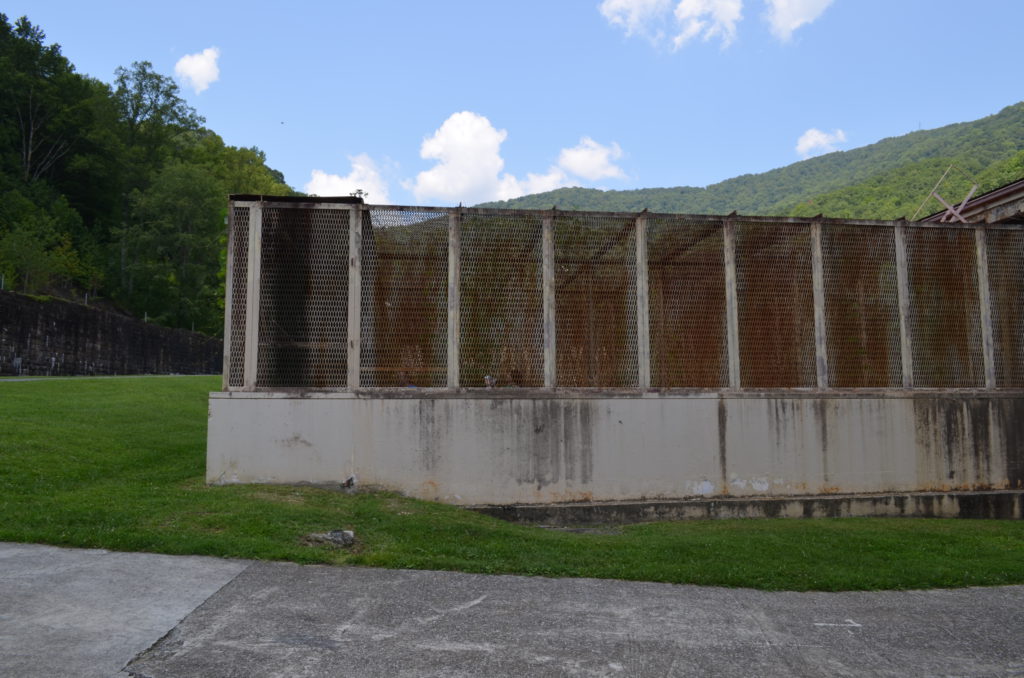
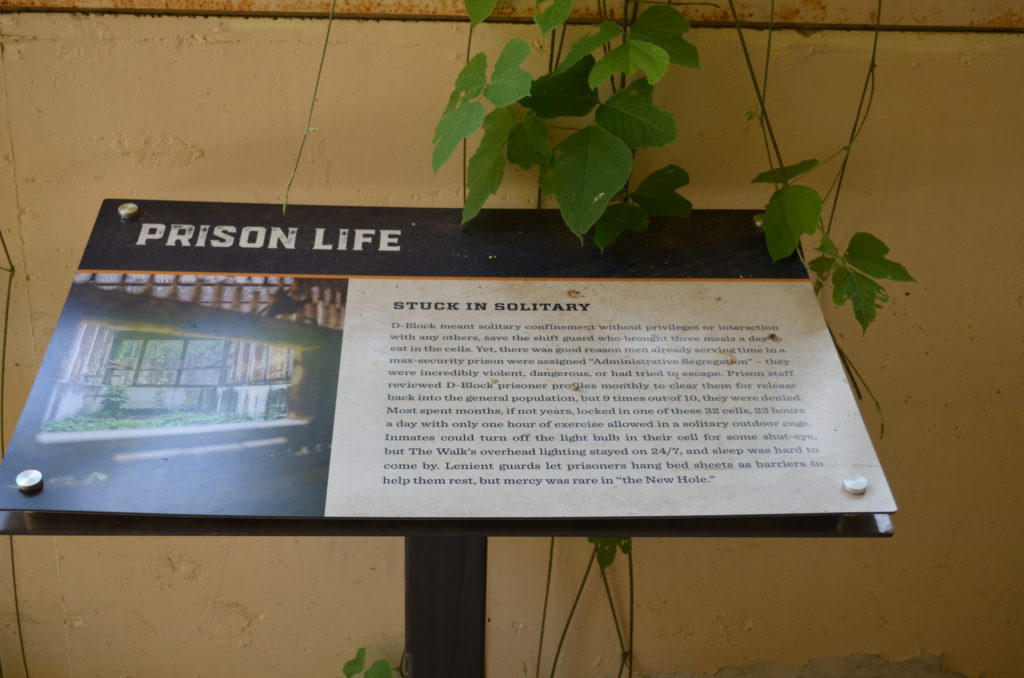
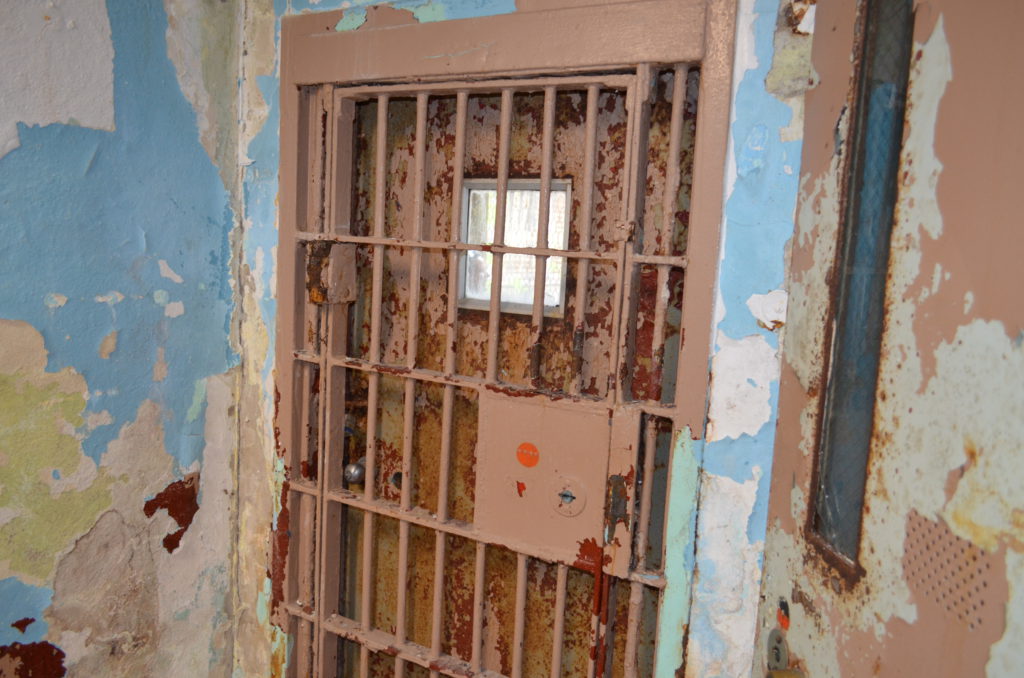
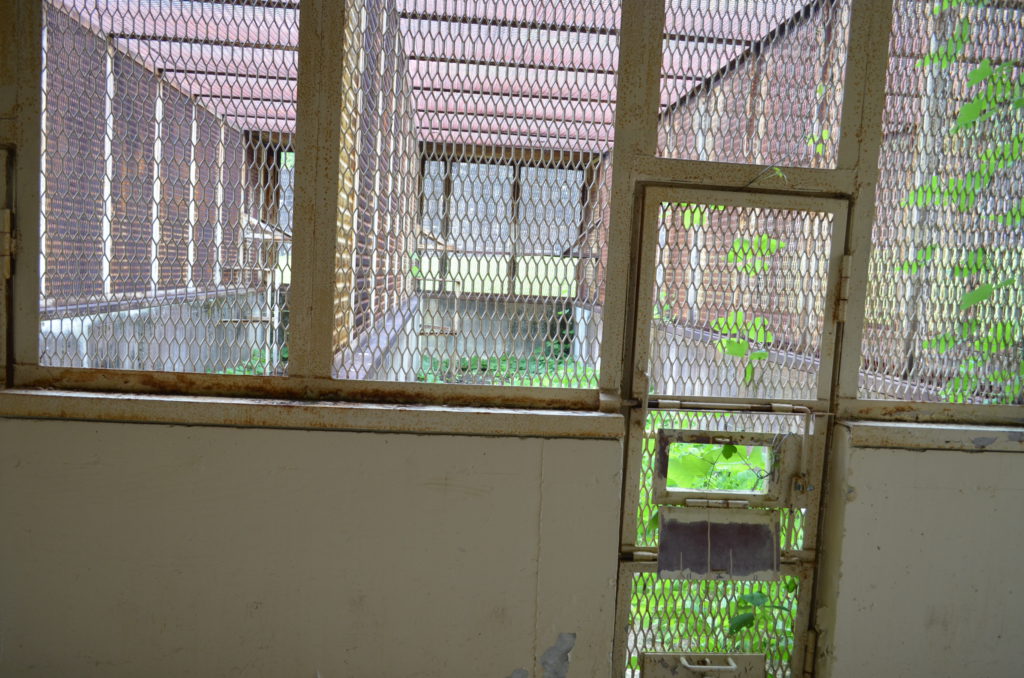
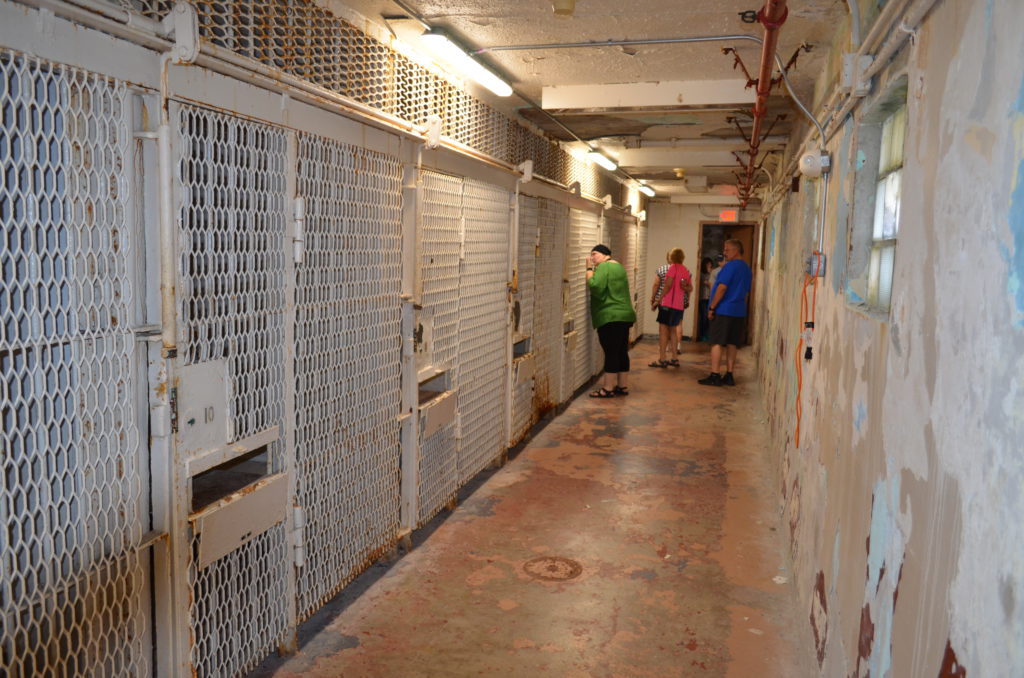
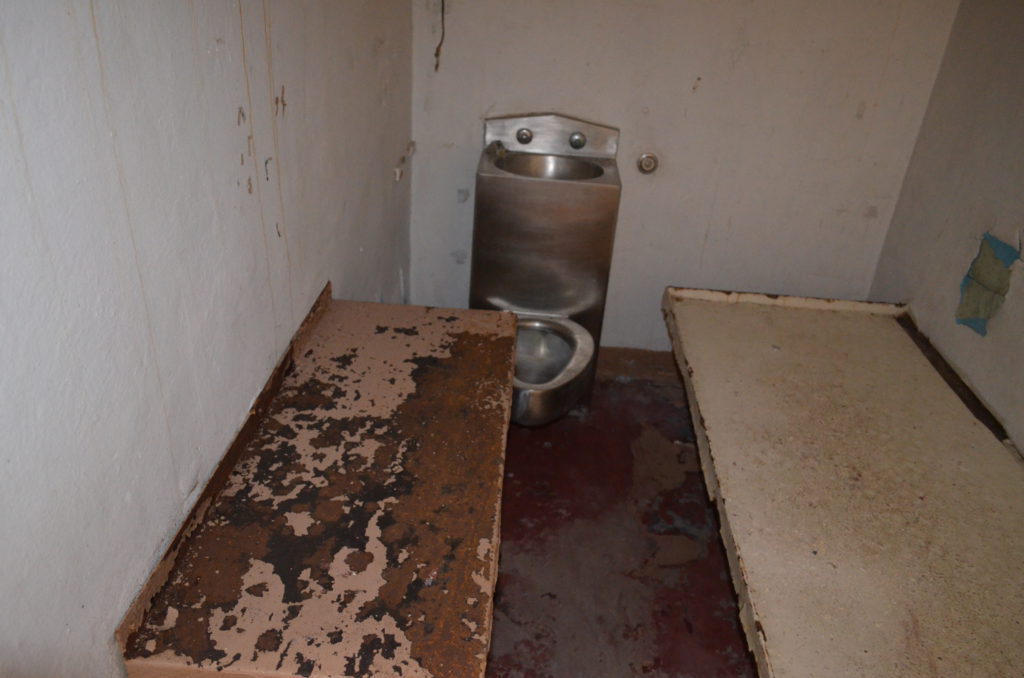
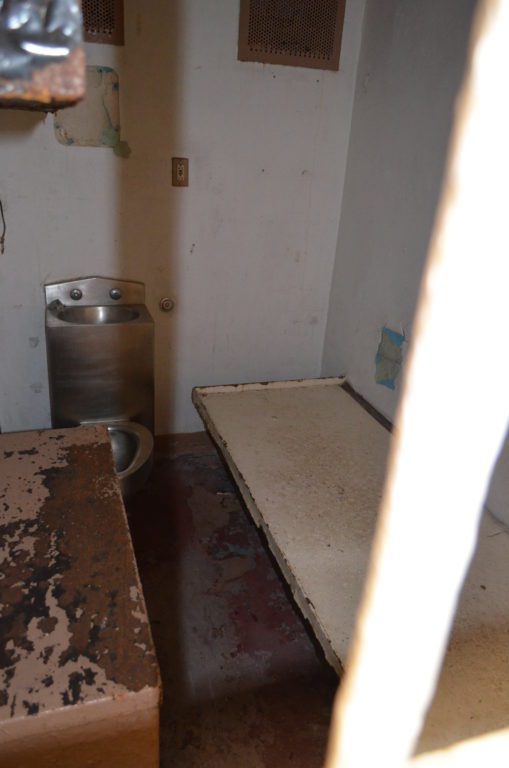
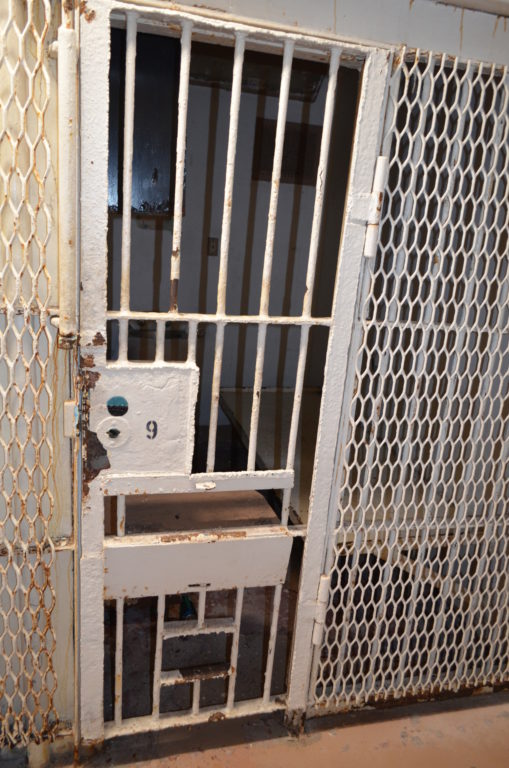
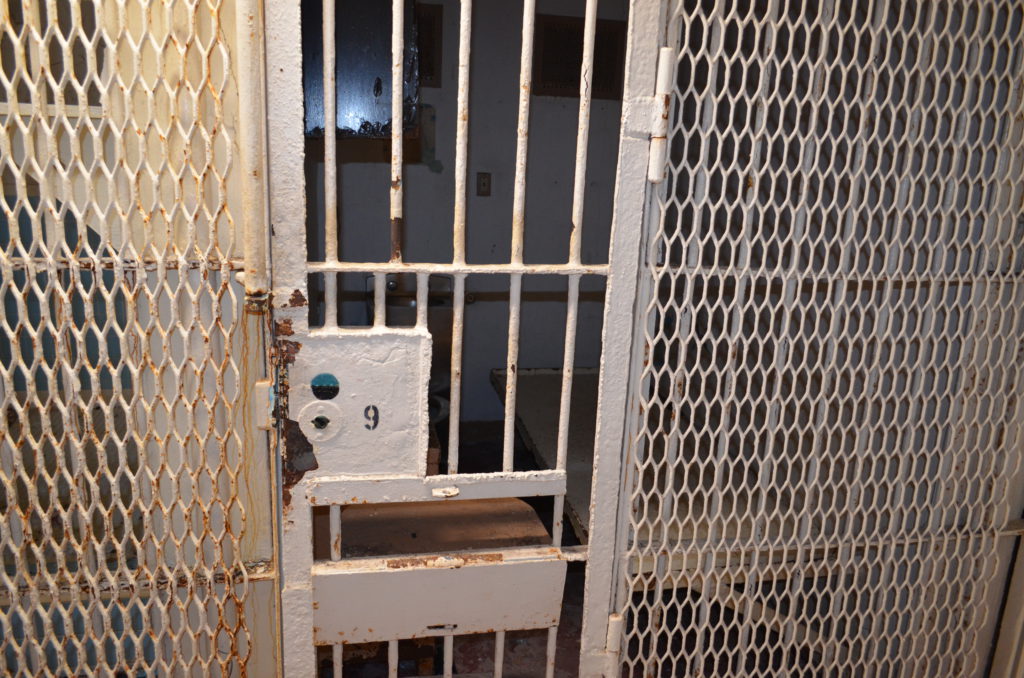
STUCK IN SOLITARY D-Block meant solitary confinement without privileges or interaction with any others, save the shift guard who brought three meals a day to eat in the cells. Yet, there was good reason men already serving time in a max-security prison were assigned "Administrative Segregation" - they were incredibly violent, dangerous, or had tried to escape. Prison staff reviewed D-Block® prisoner profiles monthly to clear them for reléase back into the general population, but 9 times out of 10, they were denied. Most spent months, if not years, locked in one of these 32 cells, 23 hours a day with only one hour of exercise allowed in a solitary outdoor cage. Inmates could turn off the light bulb in their cell for some shut-eye, but The Walk's overhead lighting stayed on 24/7, and sleep was hard to come by. Lenient guards let prisoners hang bed sheets as barriers to help them rest, but mercy was rare in "the New Hole."
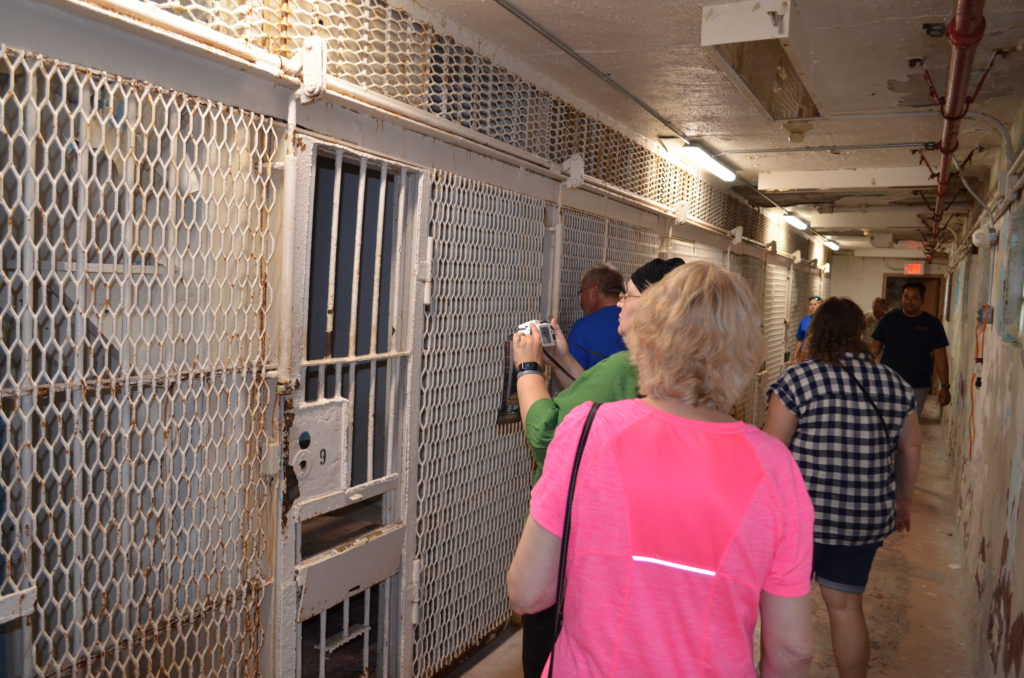
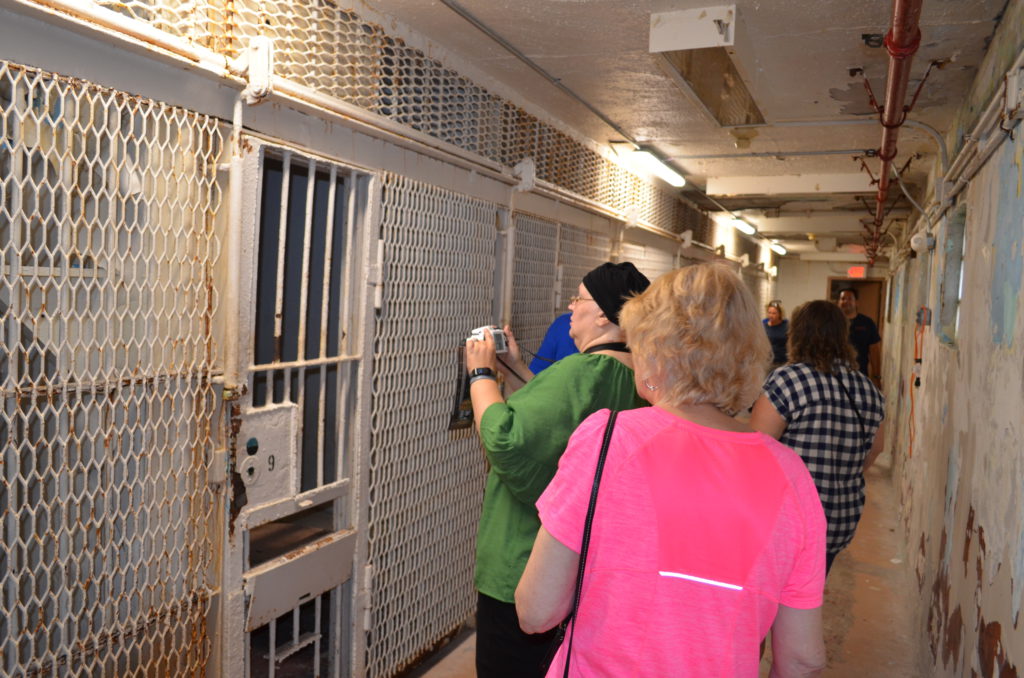
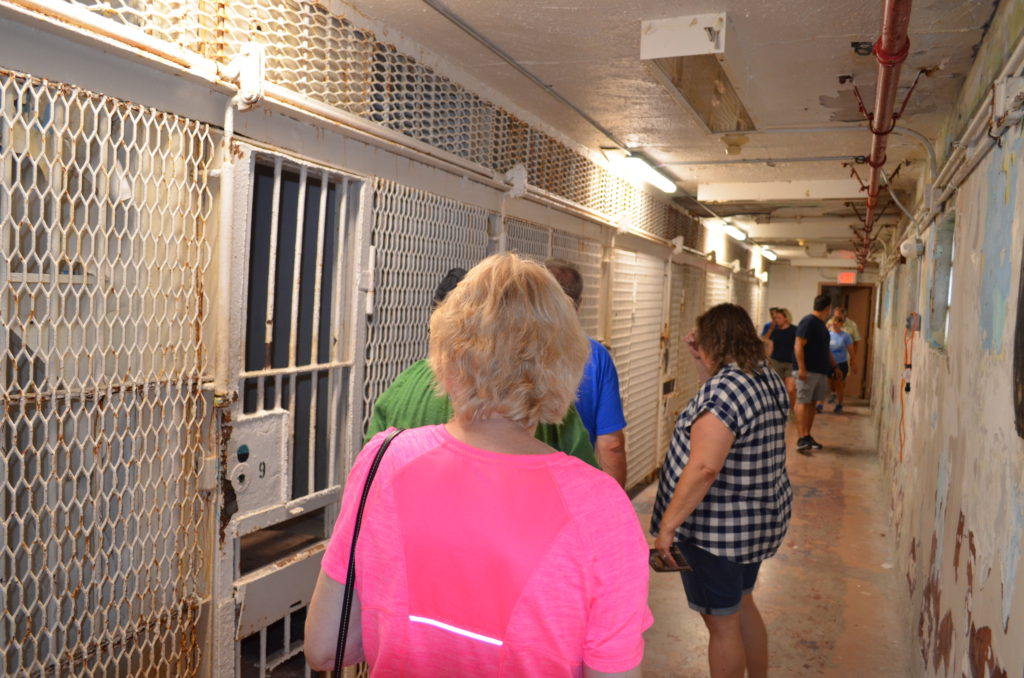
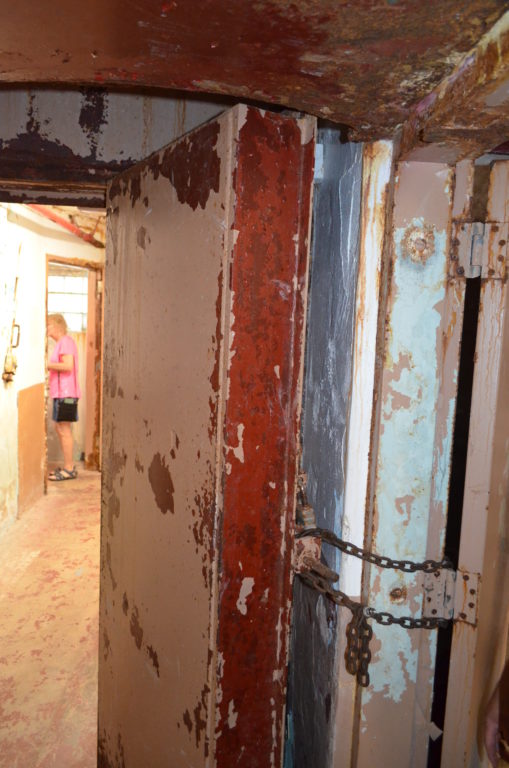
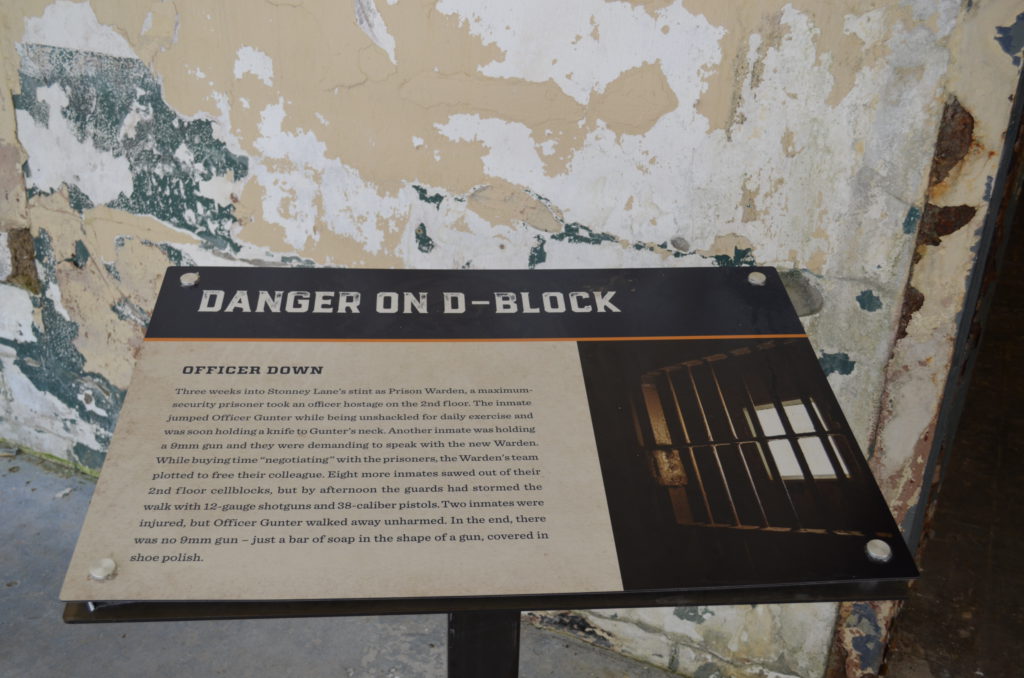
OFFICER DOWN Three weeks into Stonney Lane's stint as Prison Warden, a maximum-security prisoner took an officer hostage on the 2nd floor. The inmate jumped Officer Gunter while being unshackled for daily exercise and was soon holding a knife to Gunter's neck. Another inmate was holding a 9mm gun and they were demanding to speak with the new Warden. While buying time "negotiating" with the prisoners, the Warden's team plotted to free their colleague. Eight more inmates sawed out of their 2nd floor cellblocks, but by afternoon the guards had stormed the walk with 12-gauge shotguns and 38-caliber pistols. Two inmates were injured, but Officer Gunter walked away unharmed. In the end, there was no 9mm gun - just a bar of soap in the shape of a gun, covered in shoe polish.
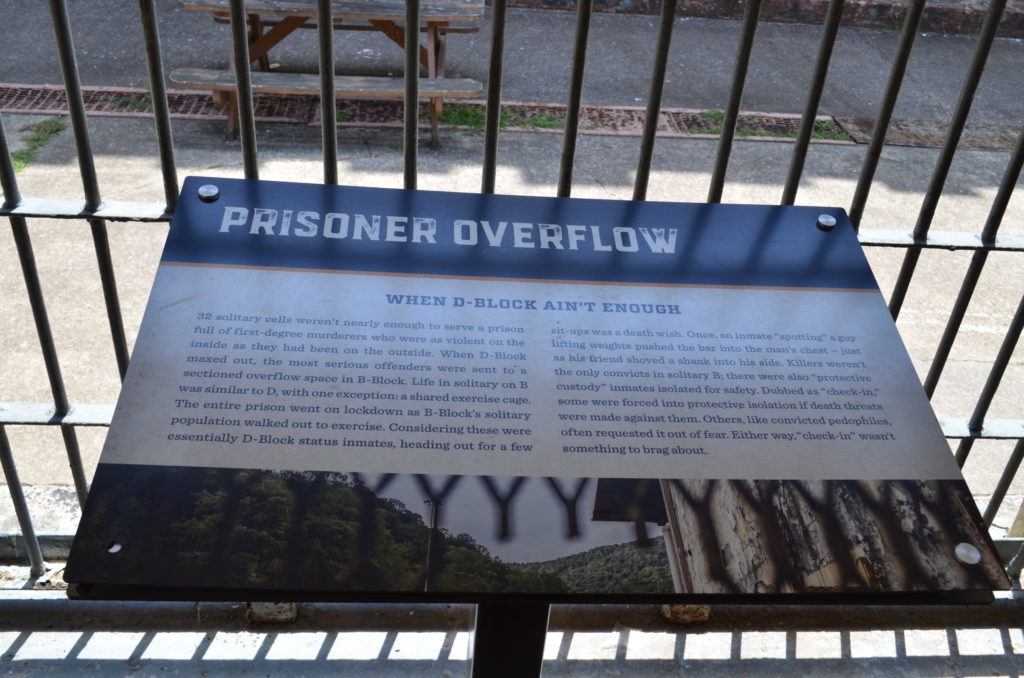
WHEN D-BLOCK AIN'T ENOUGH
32 solitary cells weren't nearly enough to serve a prison full of first-degree murderers who were as violent on the inside as they had been on the outside. When D-Block maxed out, the most serious offenders were sent to a sectioned overflow space in B-Block. Life in solitary on B was similar to D, with one exception: a shared exercise cage. The entire prison went on lockdown as B-Block's solitary population walked out to exercise. Considering these were essentially D-Block status inmates, heading out for a few sit-ups was a death wish. Once, an inmate "spotting" a guy lifting weights pushed the bar into the man's chest - just as his friend shoved a shank into his side. Killers weren't the only convicts in solitary B; there were also "protective custody" inmates isolated for safety. Dubbed as "check-in" some were forced into protective isolation if death threats were made against them. Others, like convicted pedophiles, often requested it out of fear. Either way, "check-in" wasn't something to brag about.
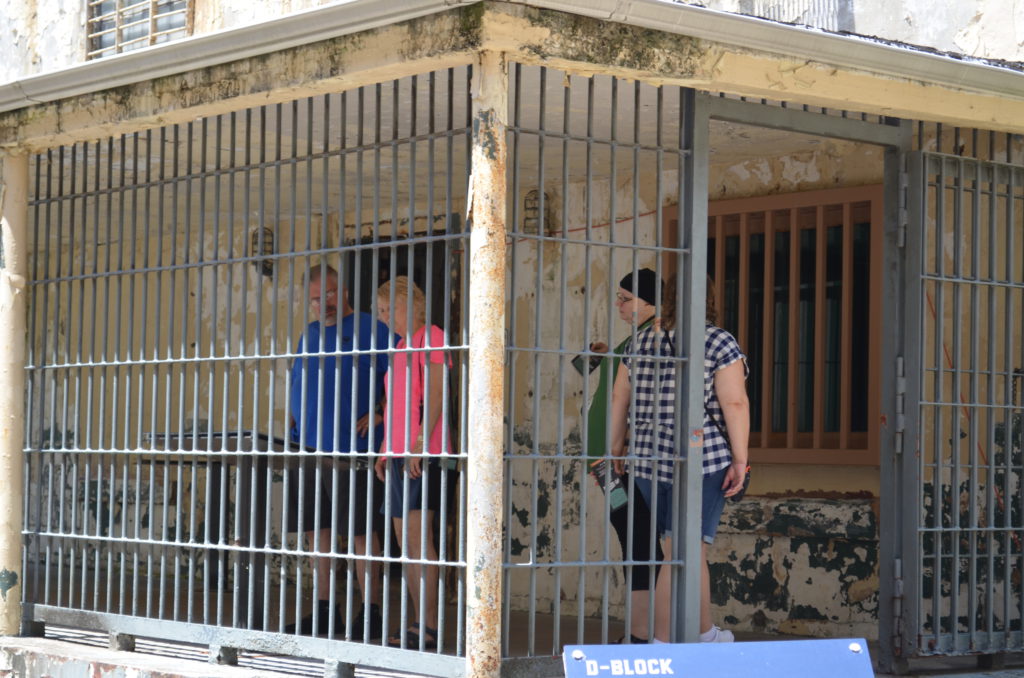
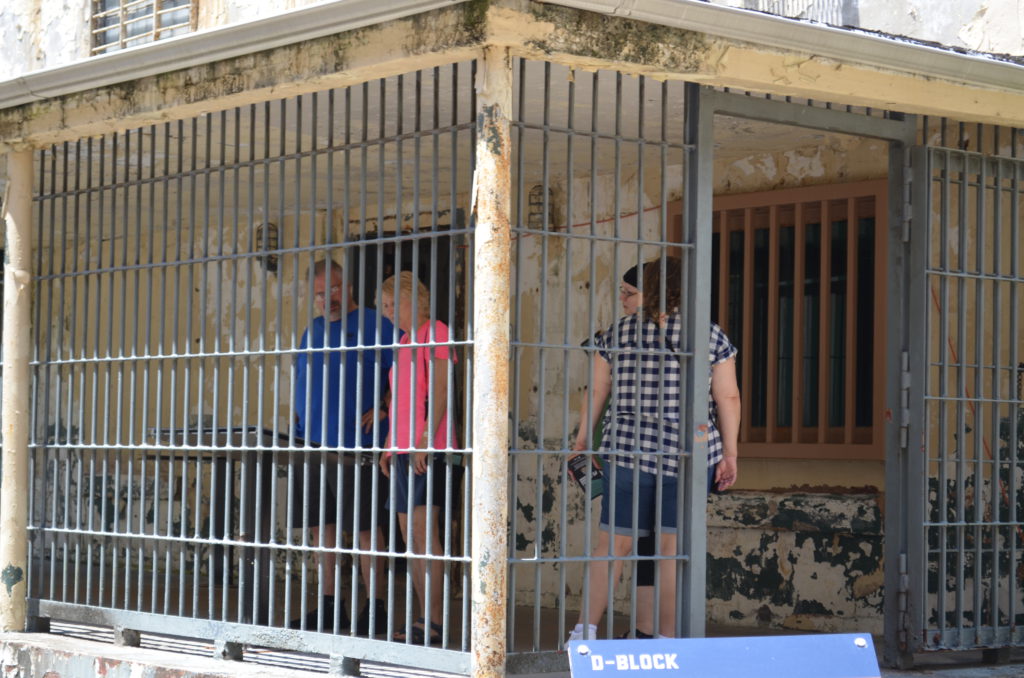
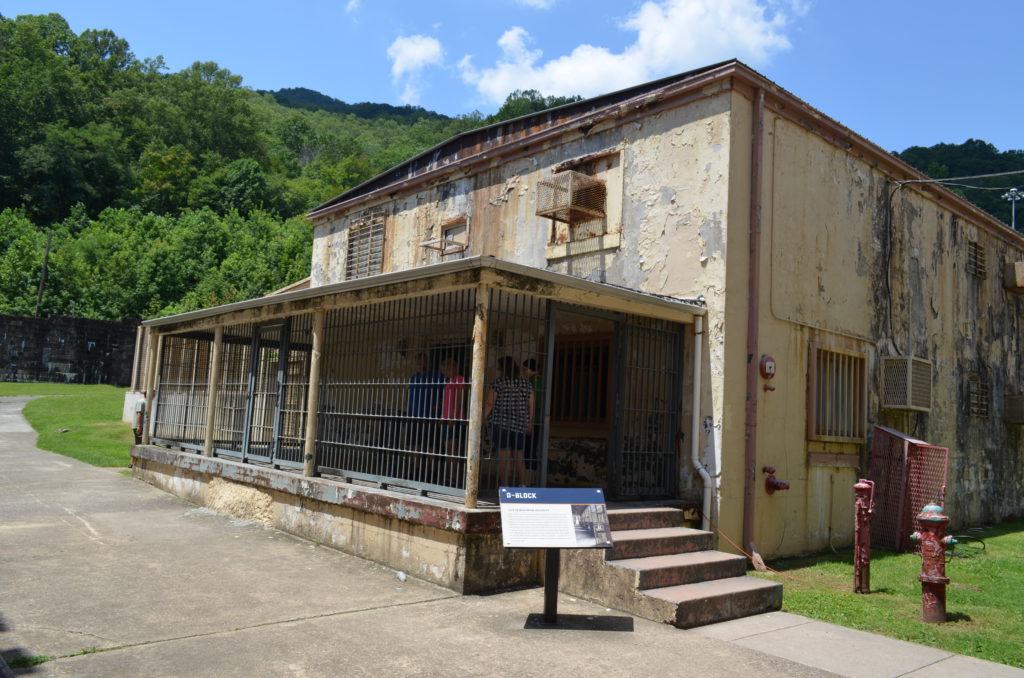
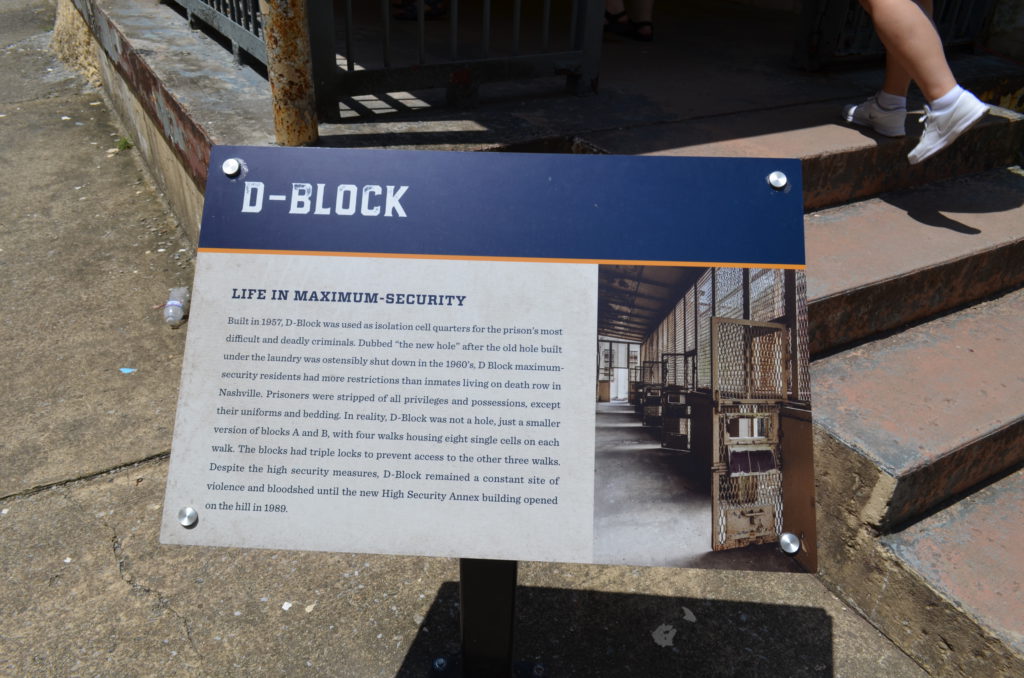
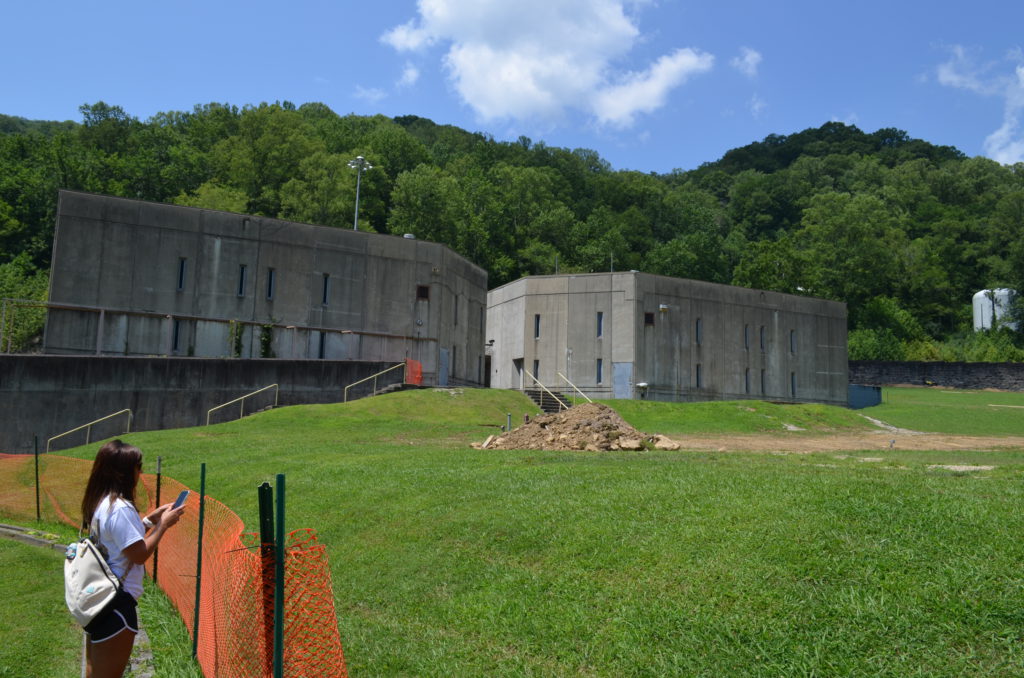
LIFE IN MAXIMUM-SECURITY Built in 1957, D-Block was used as isolation cell quarters for the prison's most difficult and deadly criminals. Dubbed "the new hole" after the old hole built under the laundry was ostensibly shut down in the 1960's, D Block maximum-security residents had more restrictions than inmates living on death row in Nashville. Prisoners were stripped of all privileges and possessions, except their uniforms and bedding. In reality, D-Block was not a hole, just a smaller version of blocks A and B, with four walks housing eight single cells on each walk. The blocks had triple locks to prevent access to the other three walks. Despite the high security measures, D-Block remained a constant site of violence and bloodshed until the new High Security Annex building opened on the hill in 1989.
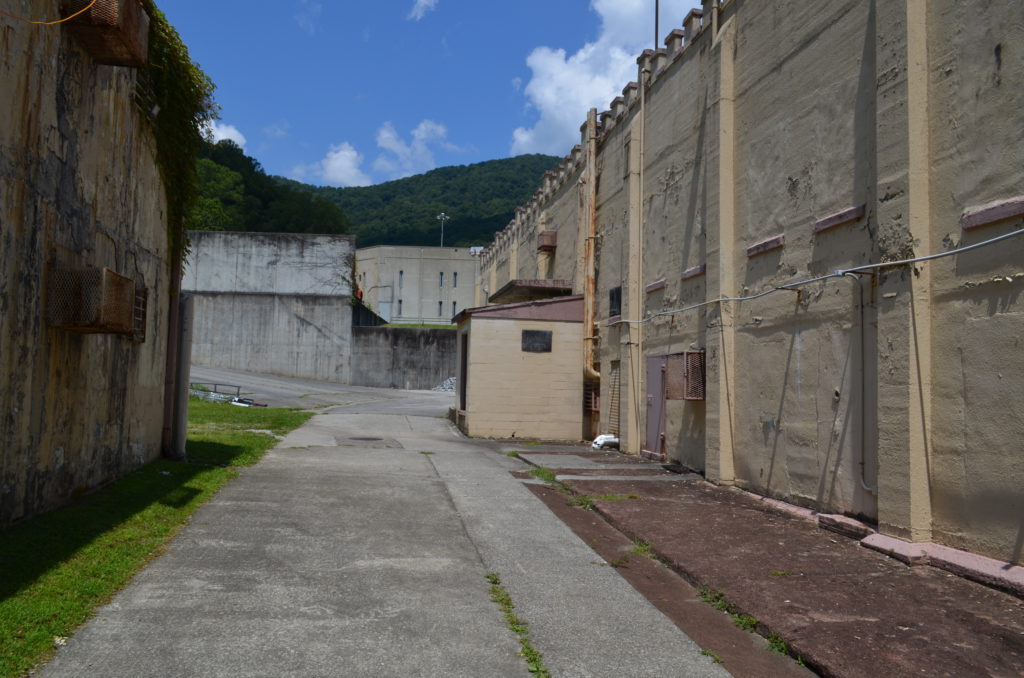
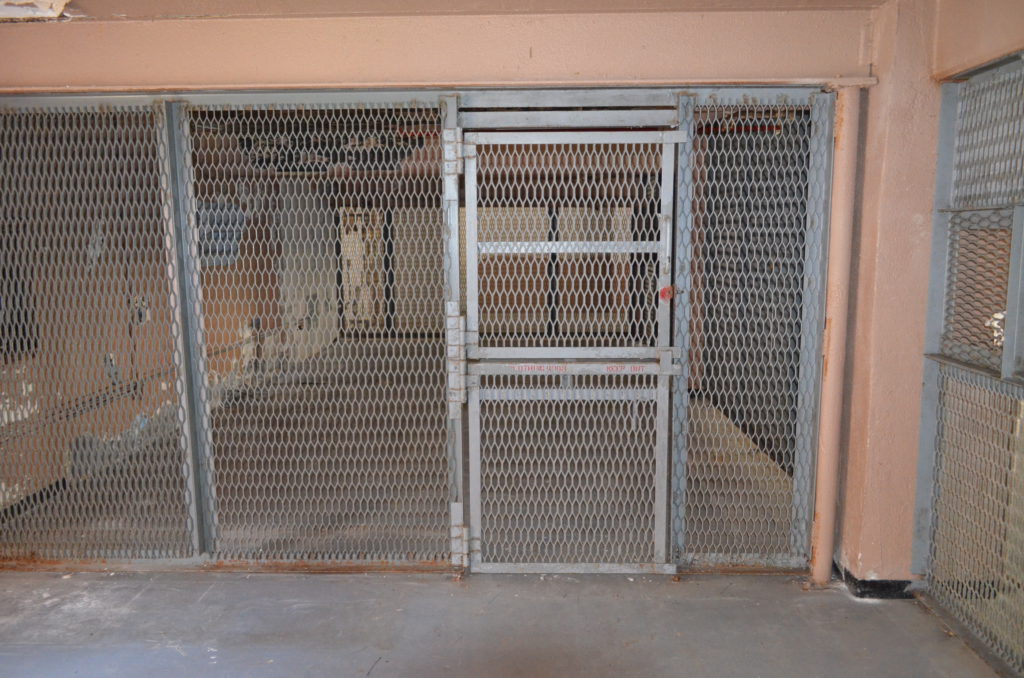
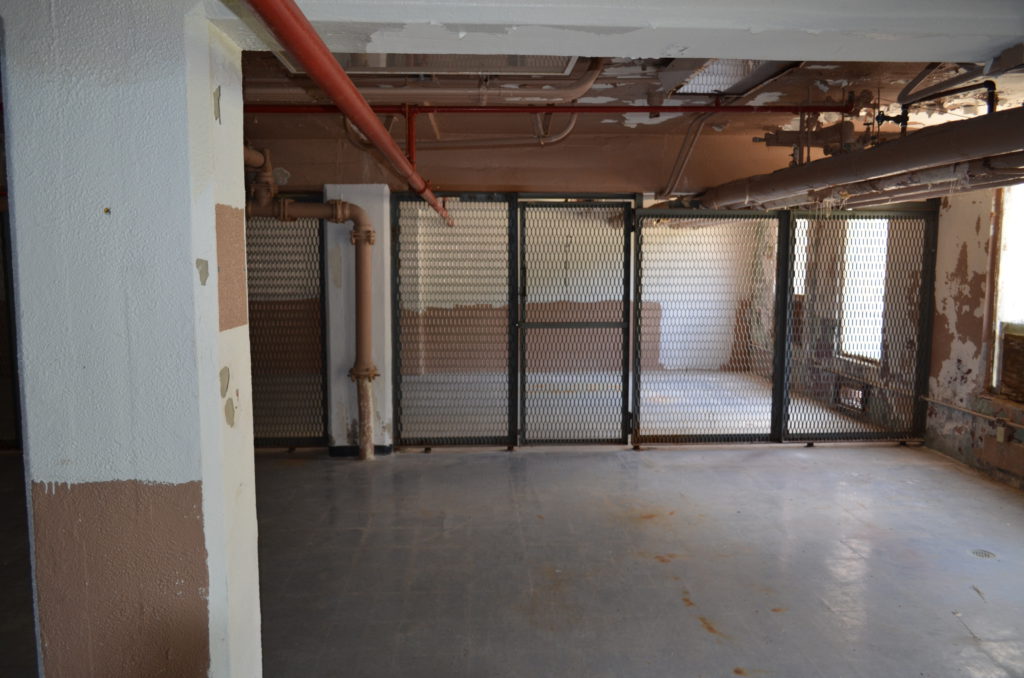
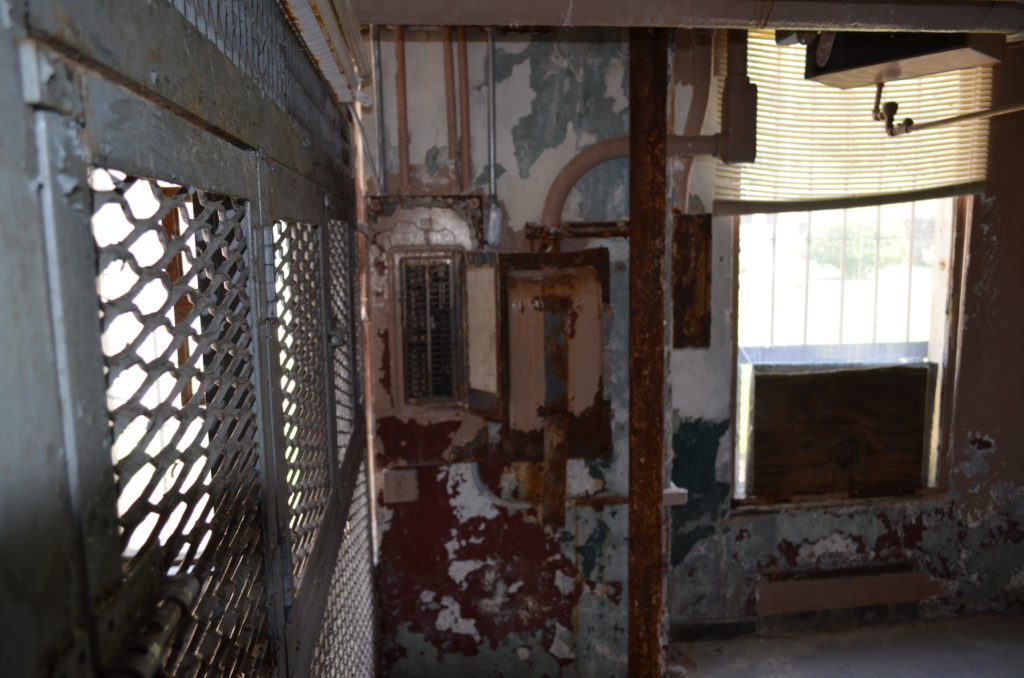
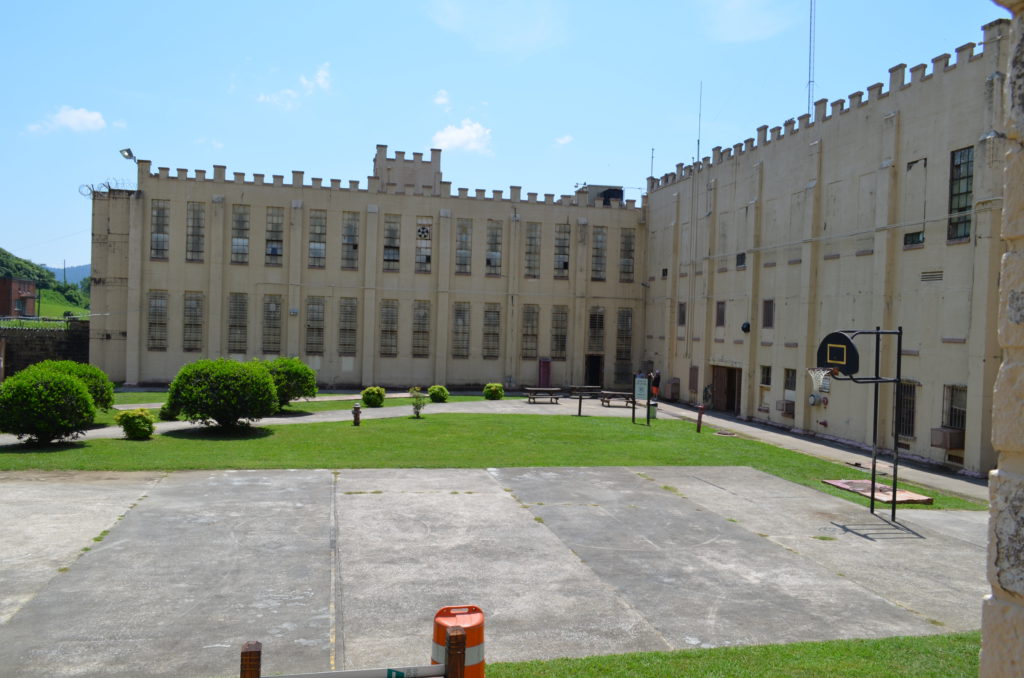
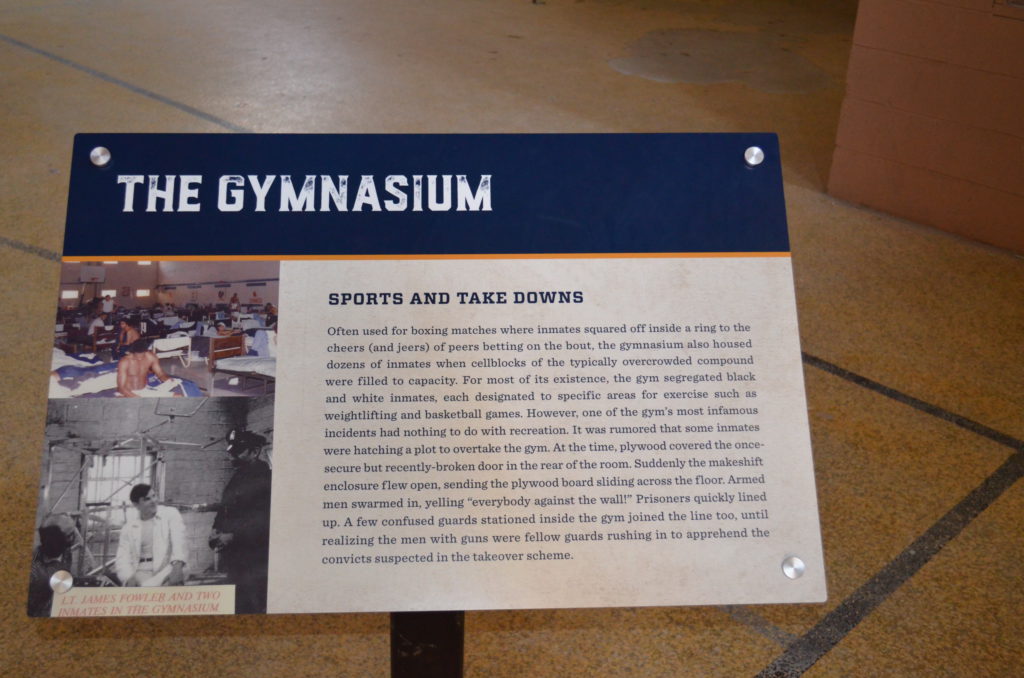
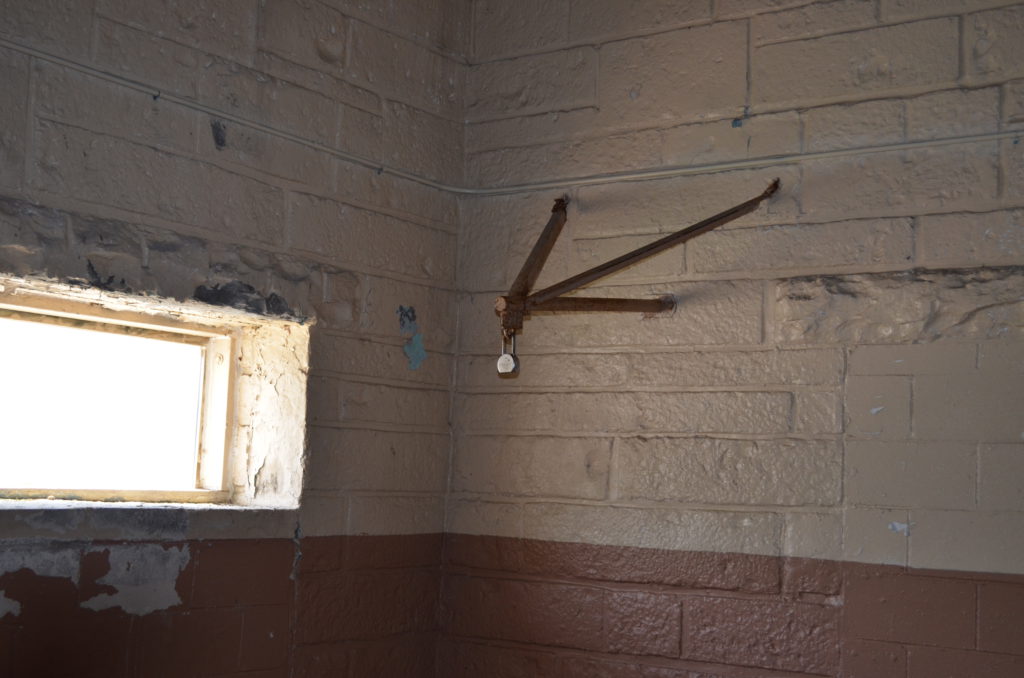
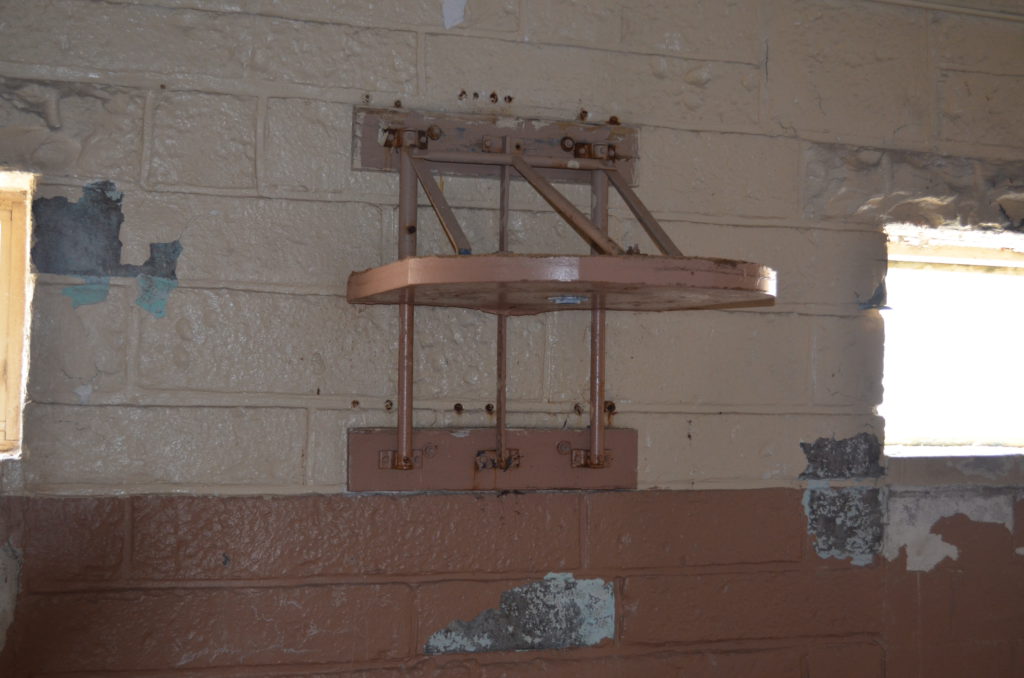
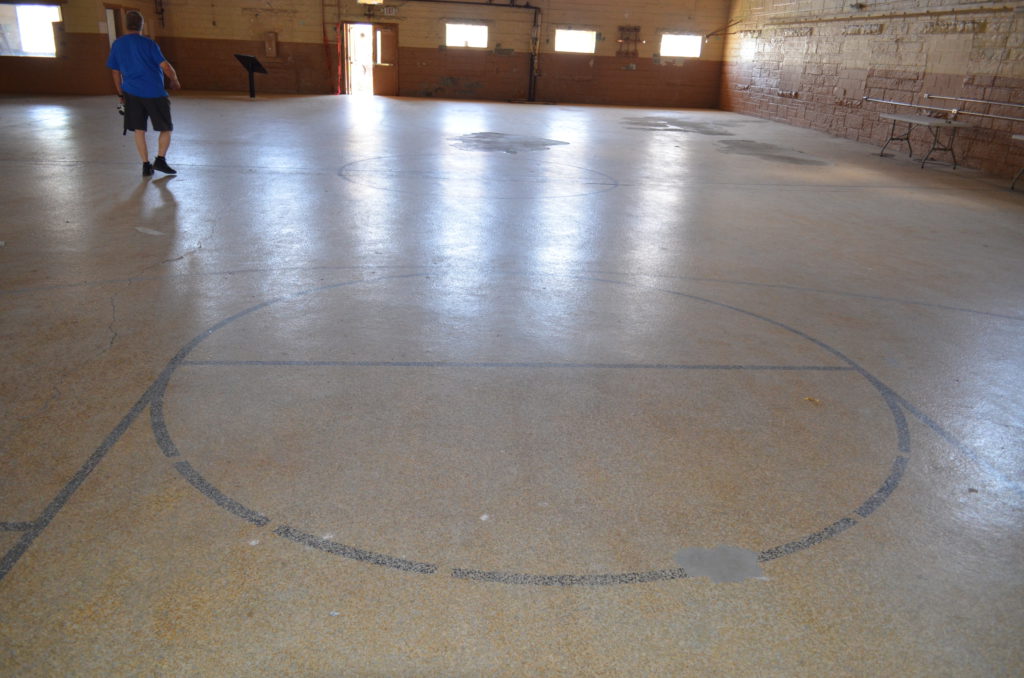
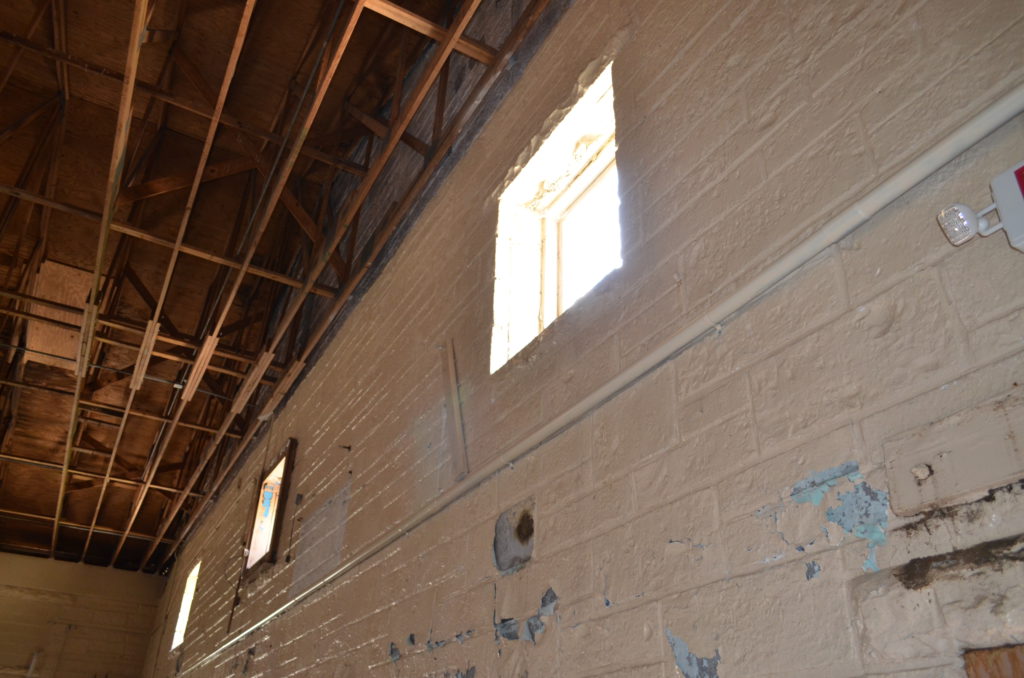
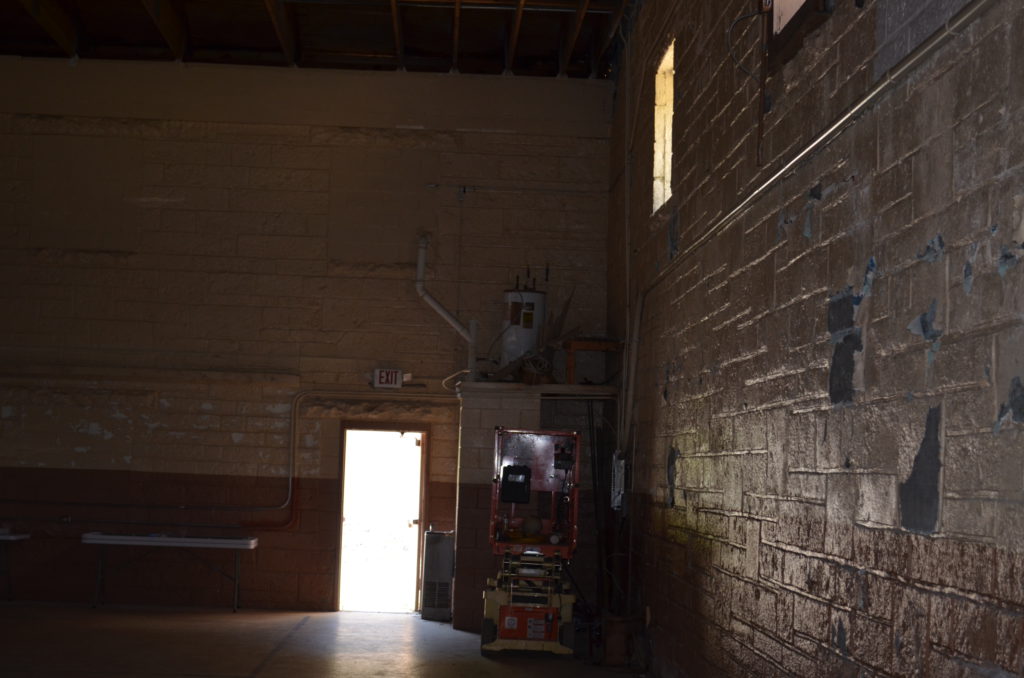
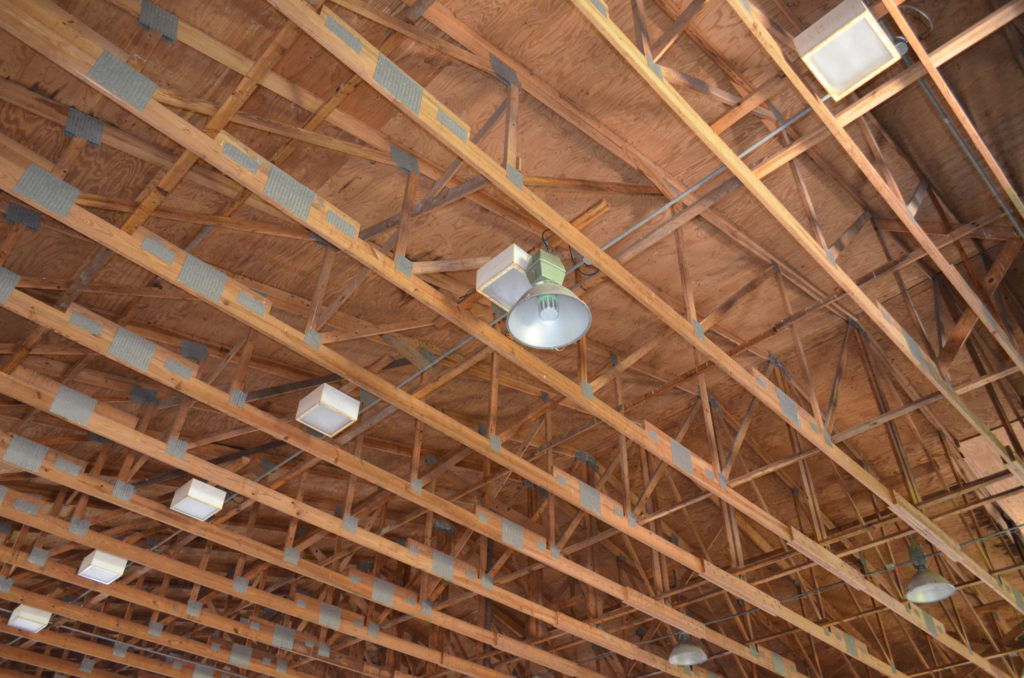
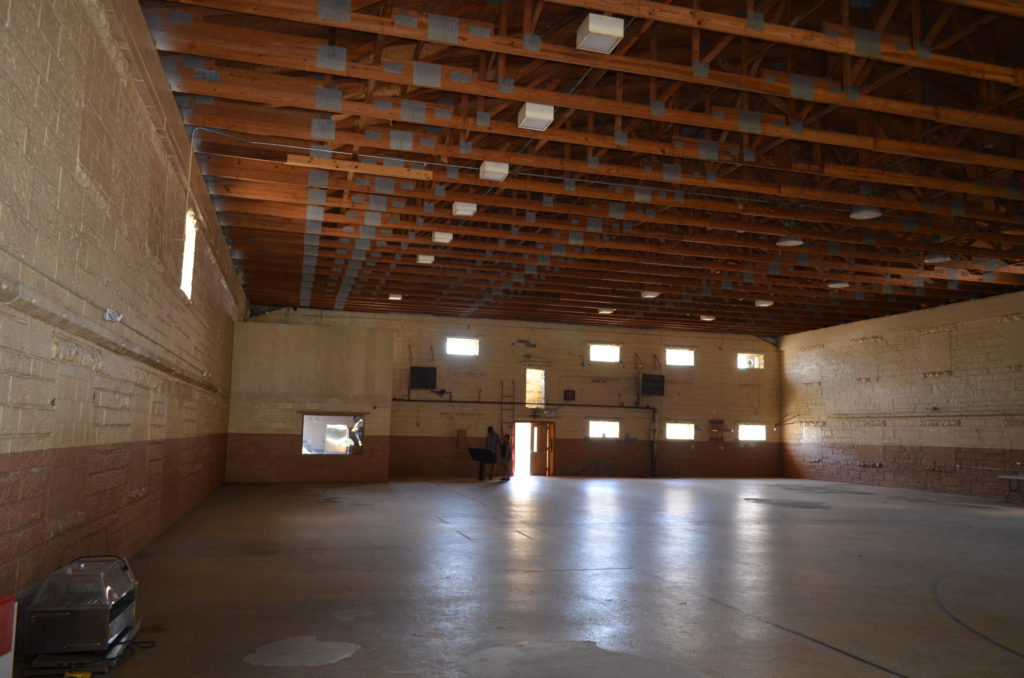
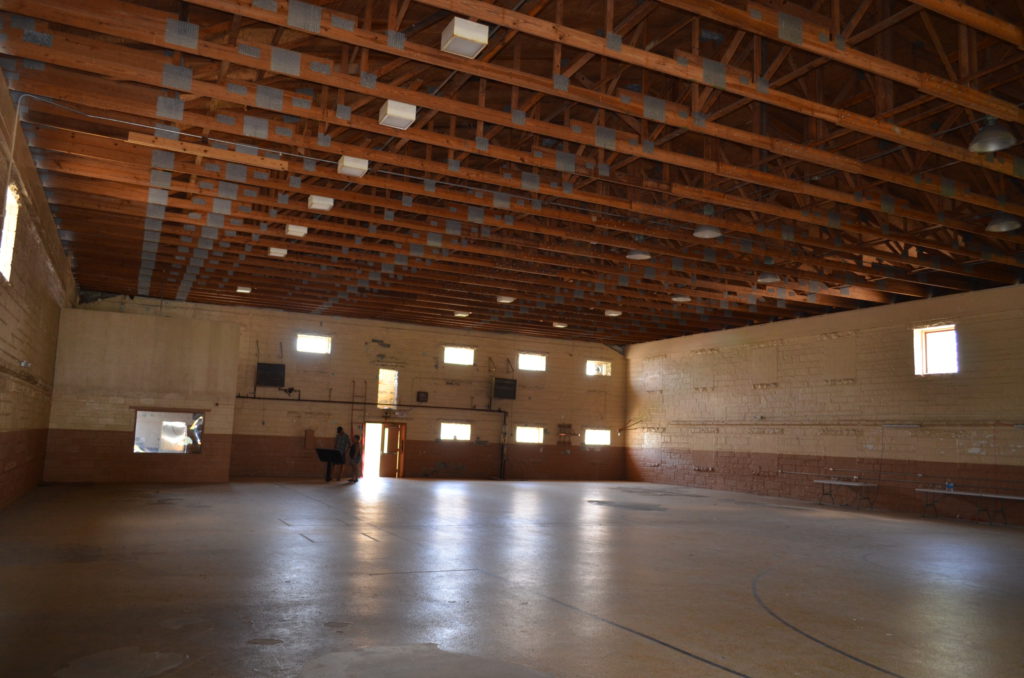
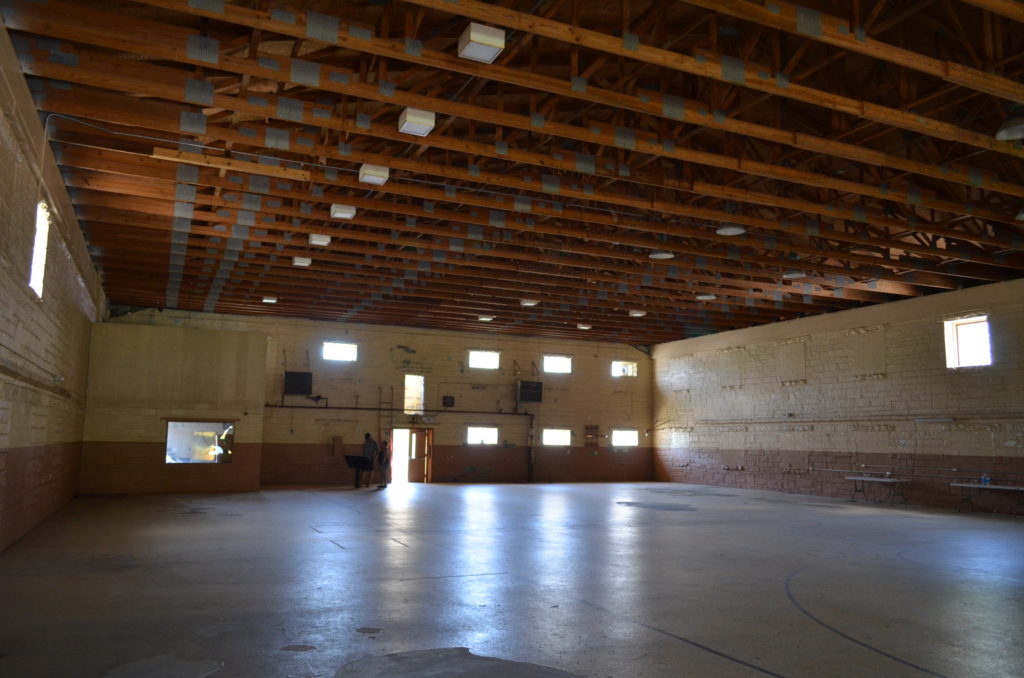
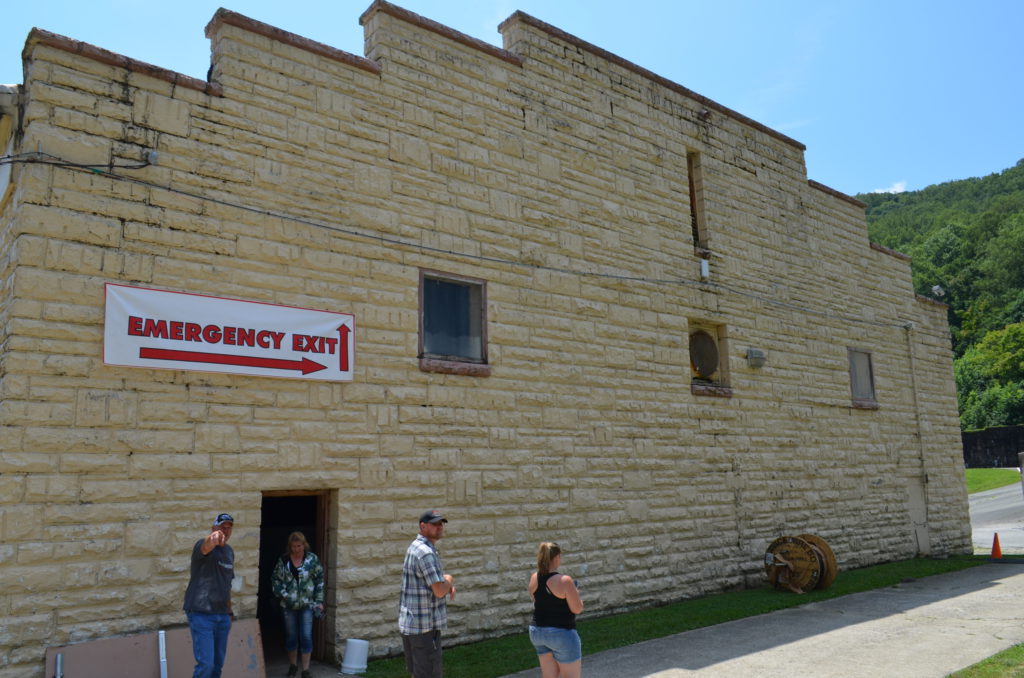
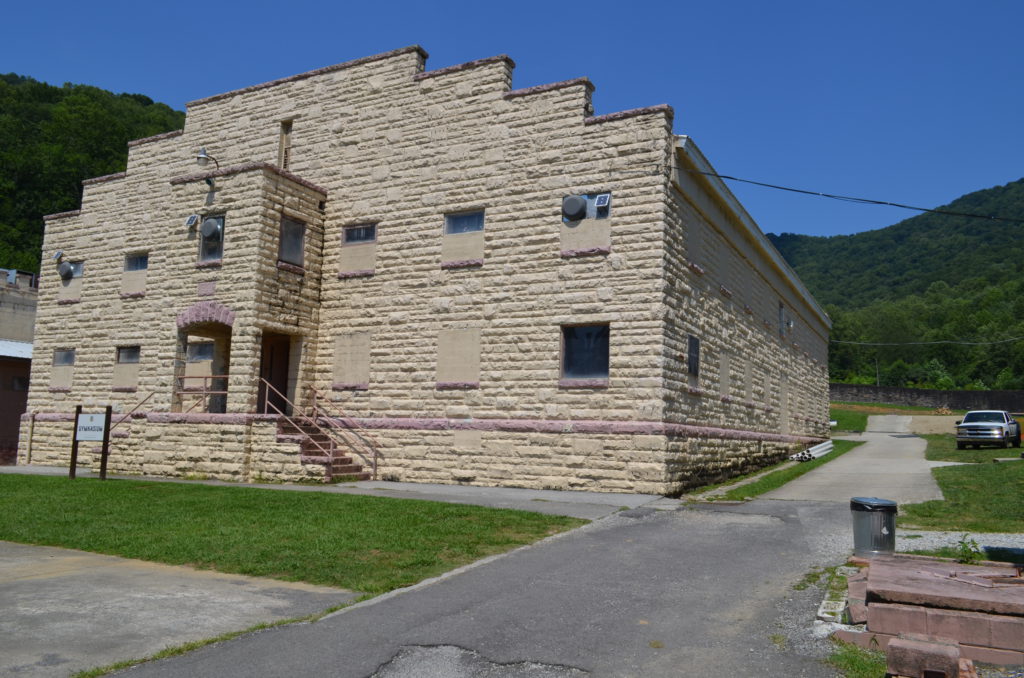
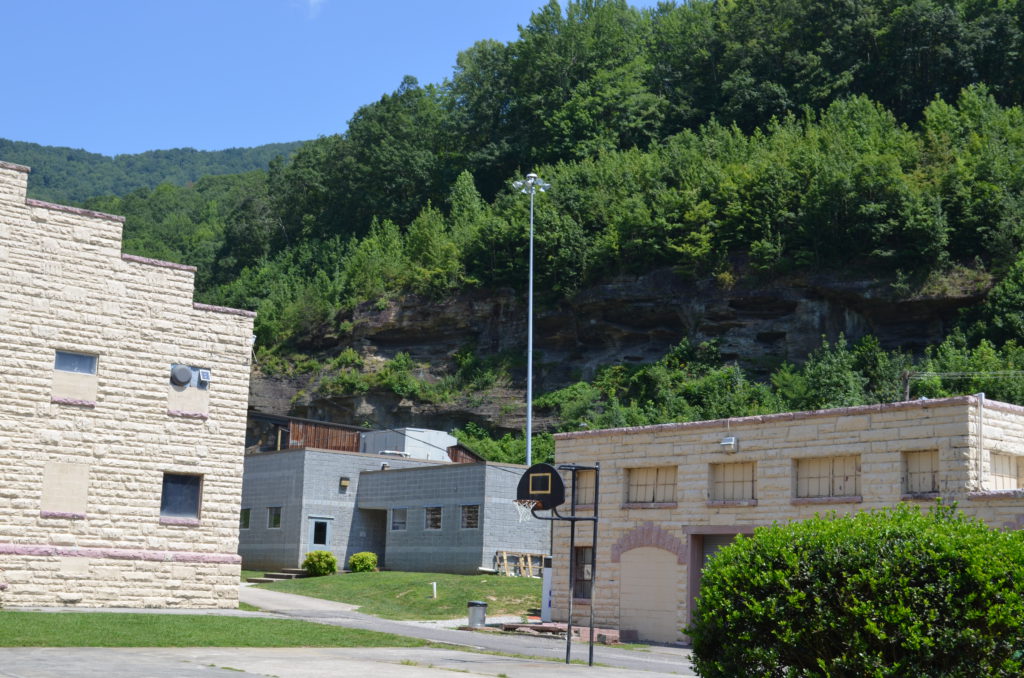
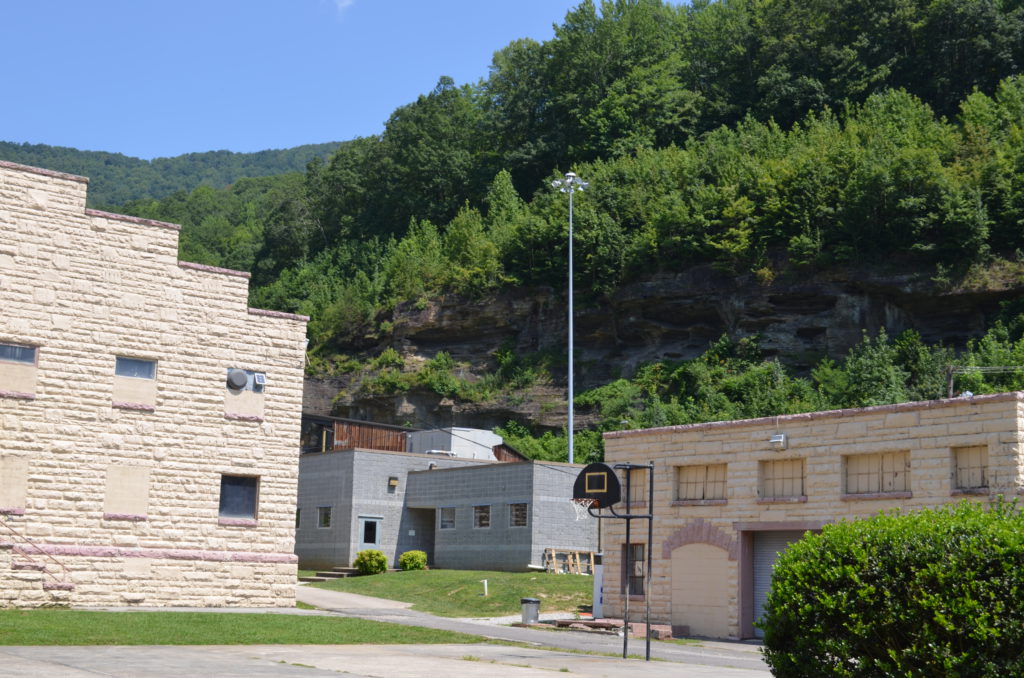
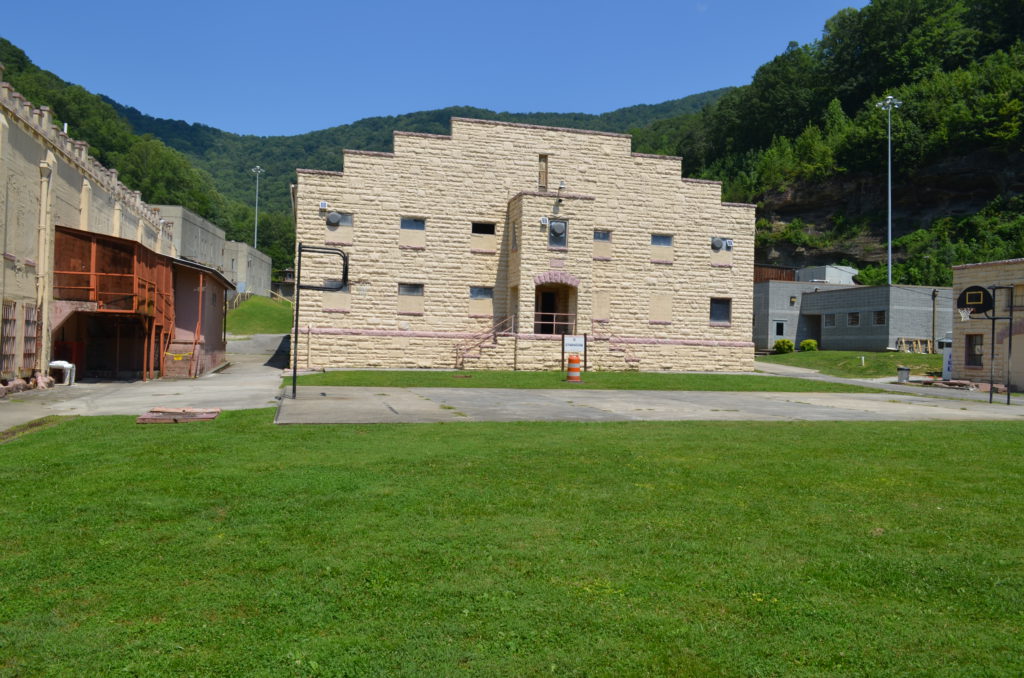
SPORTS AND TAKE DOWNS Often used for boxing matches where inmates squared off inside a ring to the cheers (and jeers) of peers betting on the bout, the gymnasium also housed dozens of inmates when cellblocks of the typically overcrowded compound were filled to capacity. For most of its existence, the gym segregated black and white inmates, each designated to specific areas for exercise such as weightlifting and basketball games. However, one of the gym's most infamous incidents had nothing to do with recreation. It was rumored that some inmates were hatching a plot to overtake the gym. At the time, plywood covered the once-secure but recently-broken door in the rear of the room. Suddenly the makeshift enclosure flew open, sending the plywood board sliding across the floor. Armed men swarmed in, yelling "everybody against the wall!" Prisoners quickly lined up. A few confused guards stationed inside the gym joined the line too, until realizing the men with guns were fellow guards rushing in to apprehend the convicts suspected in the takeover scheme.
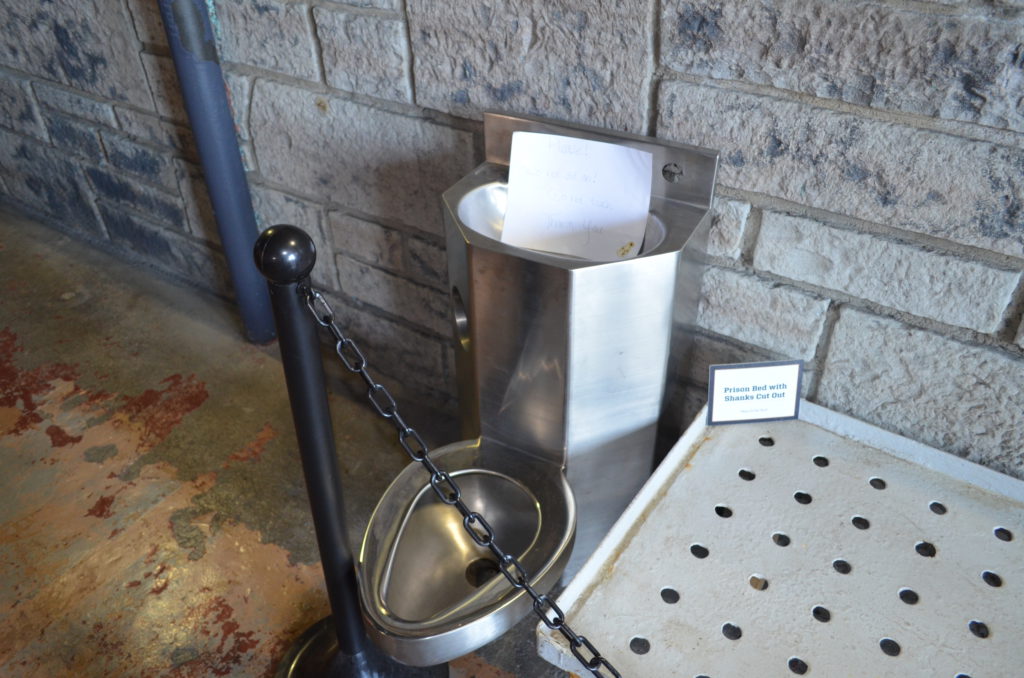
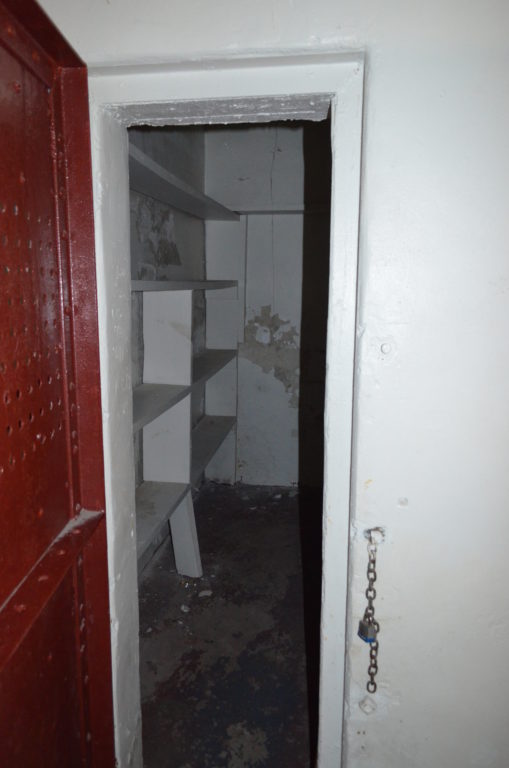
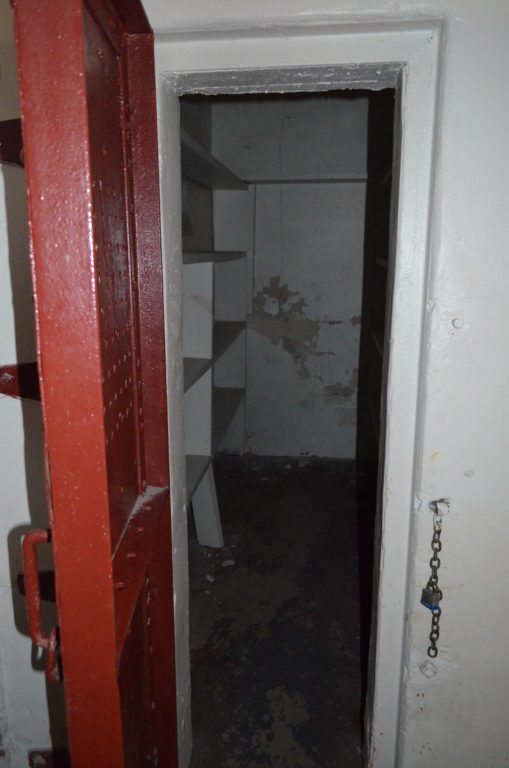
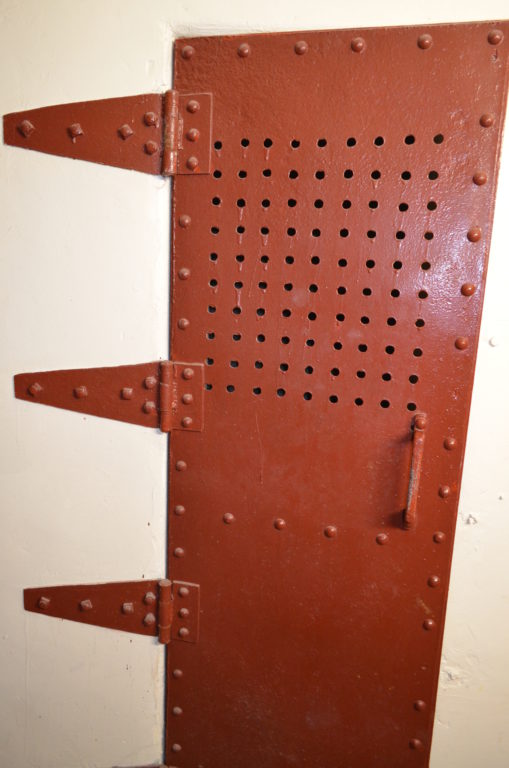
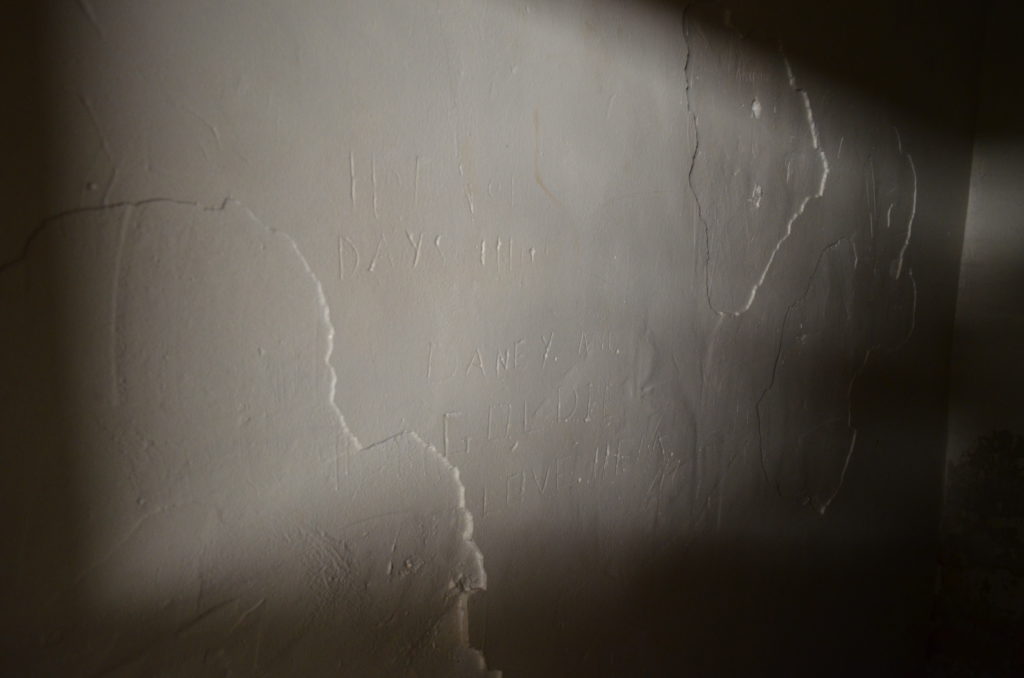
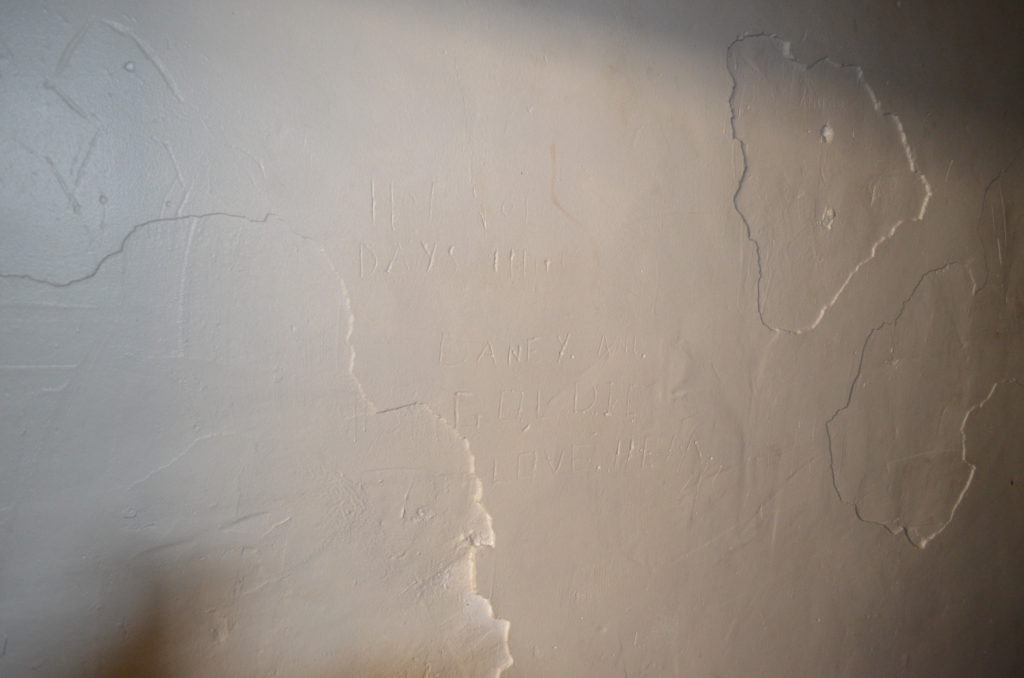
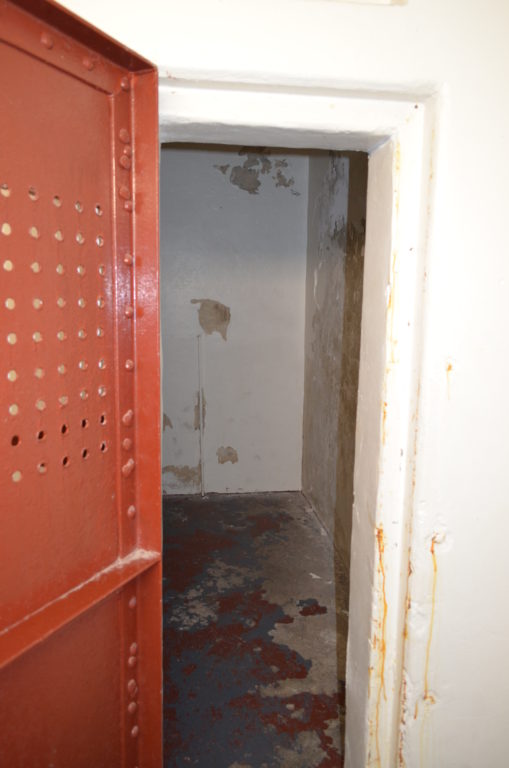
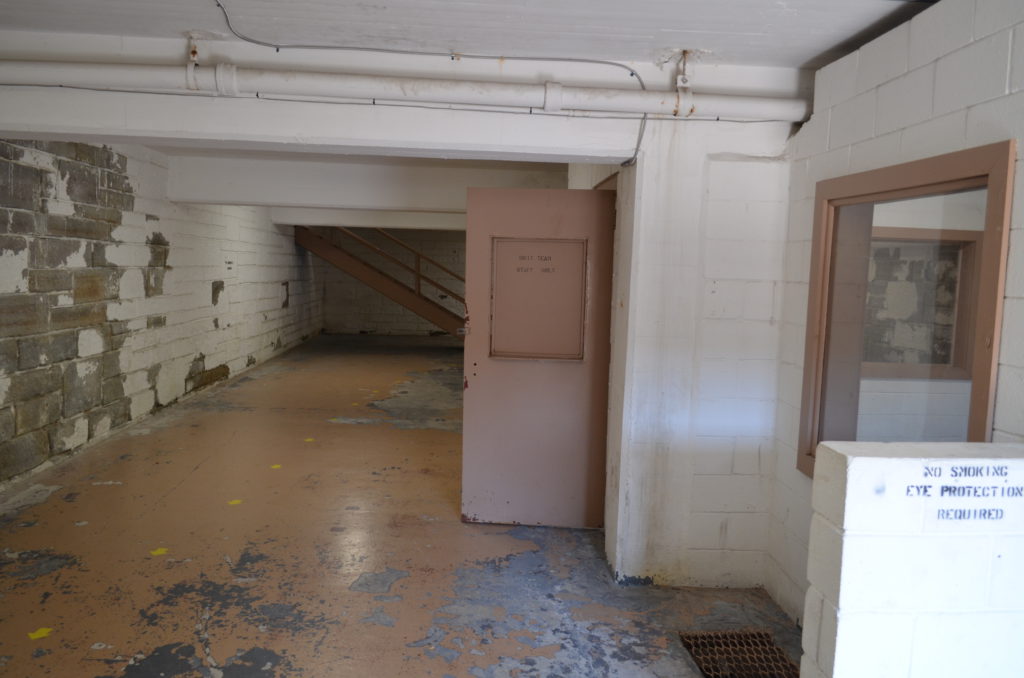
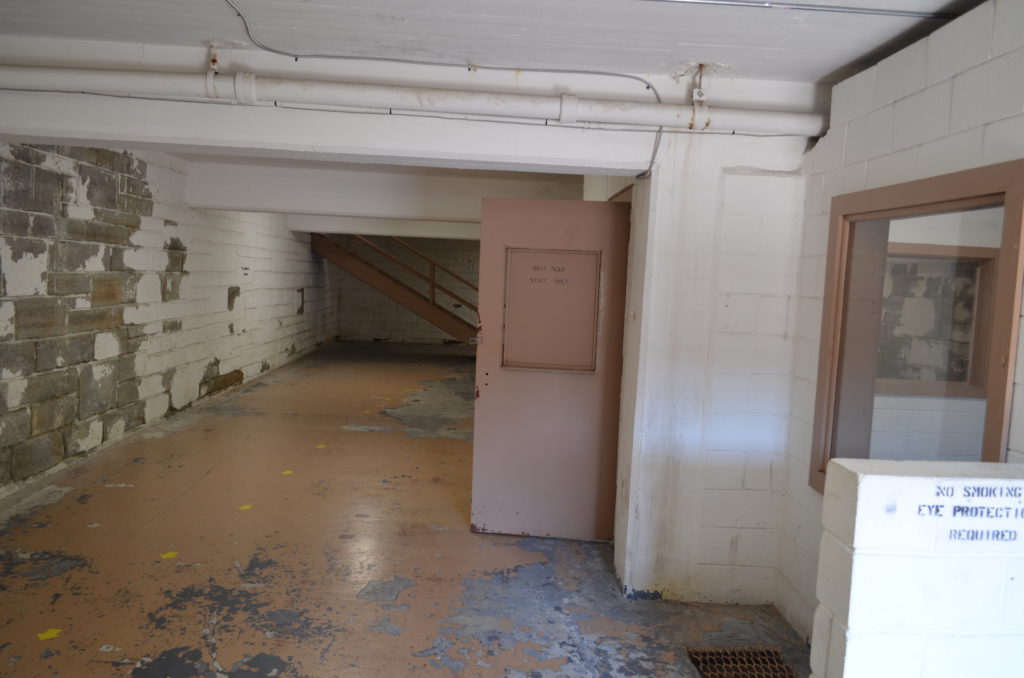
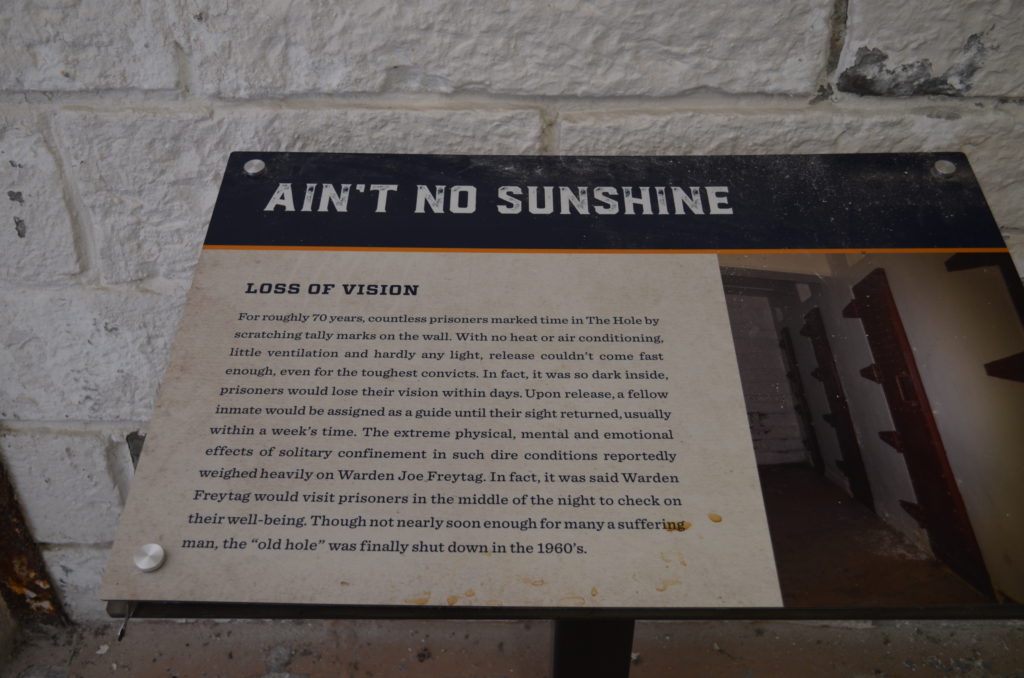
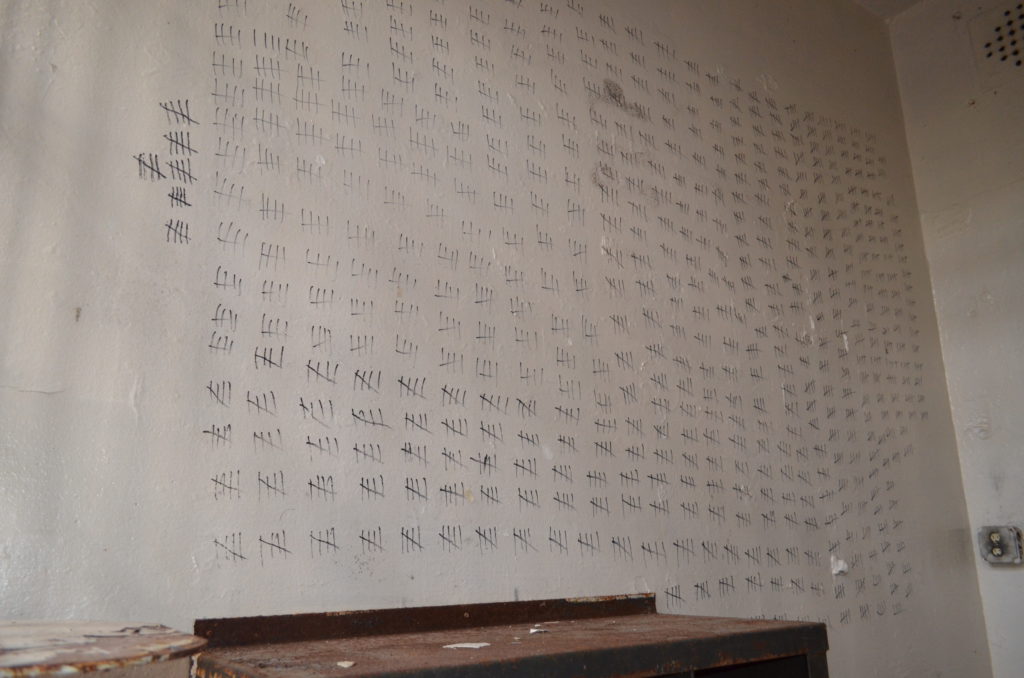
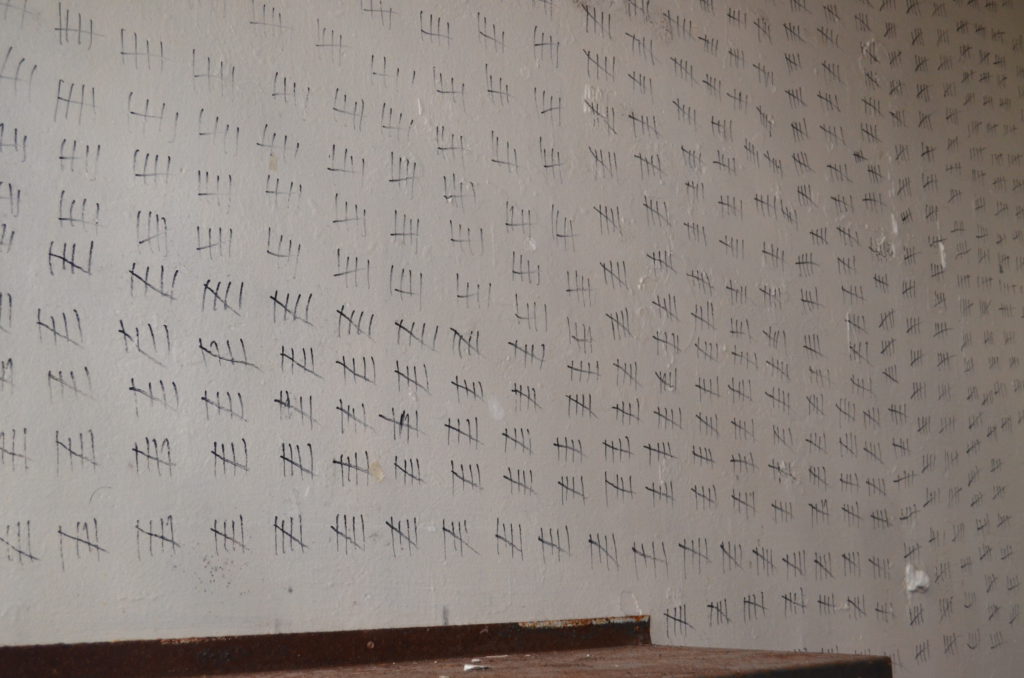
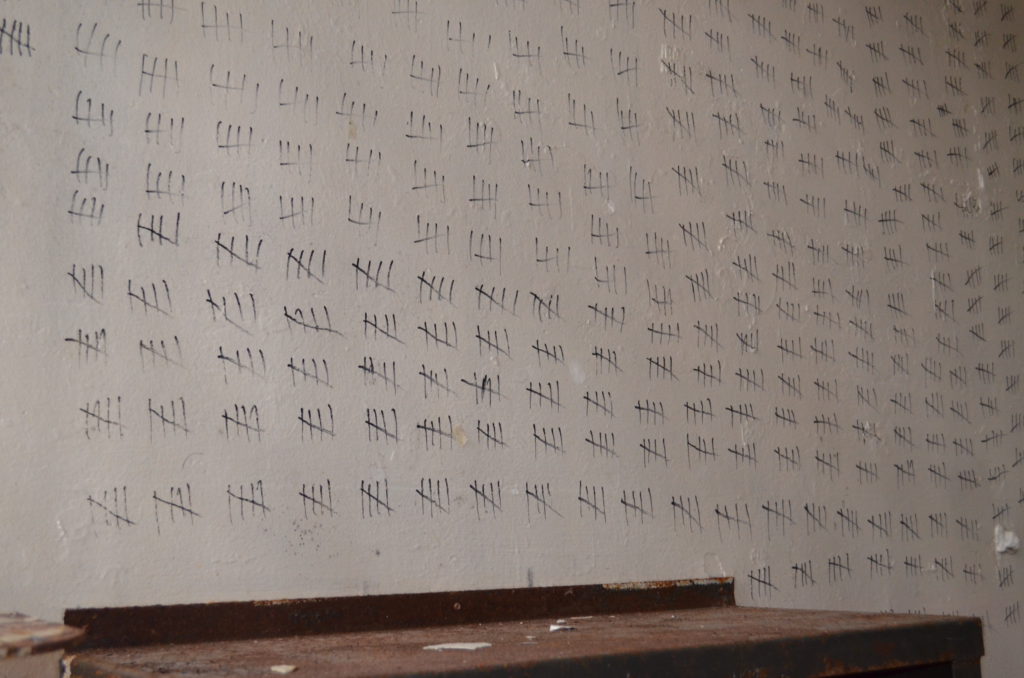
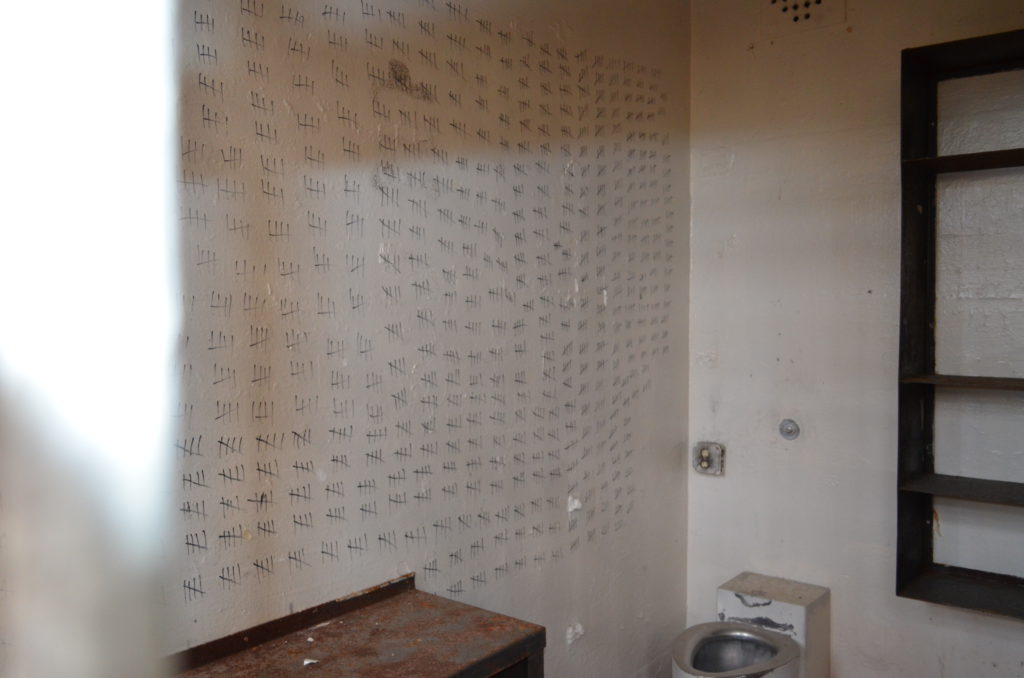
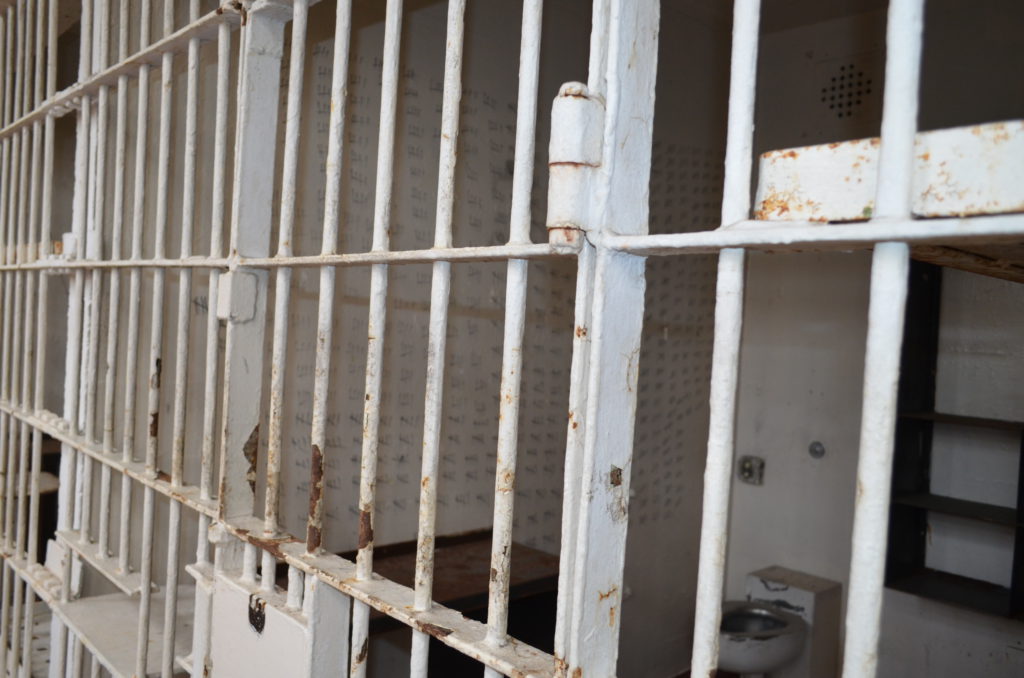
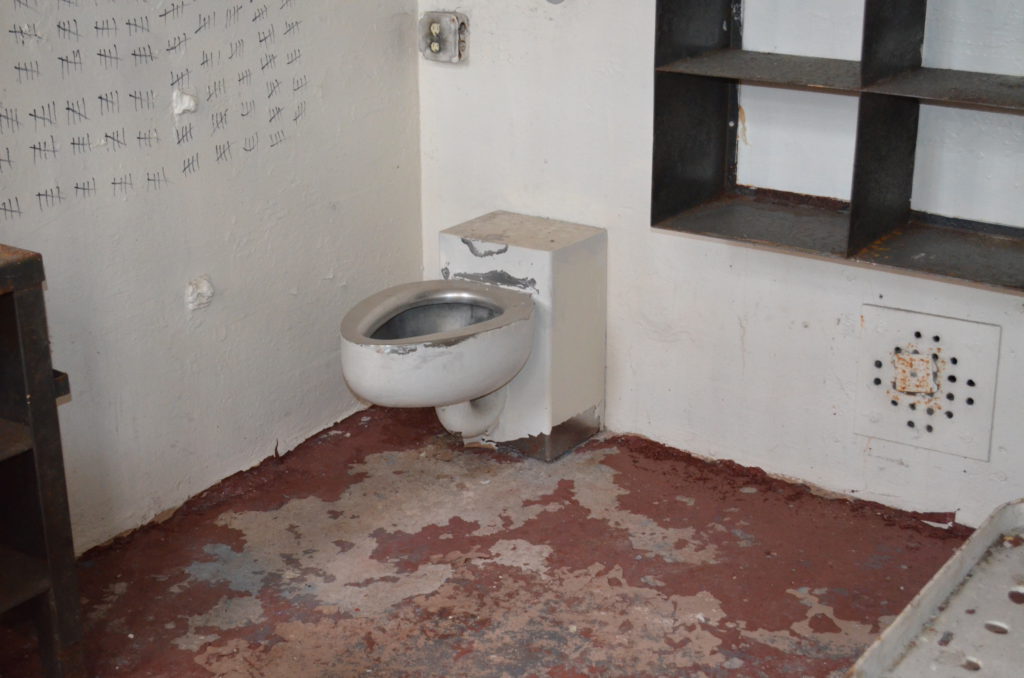
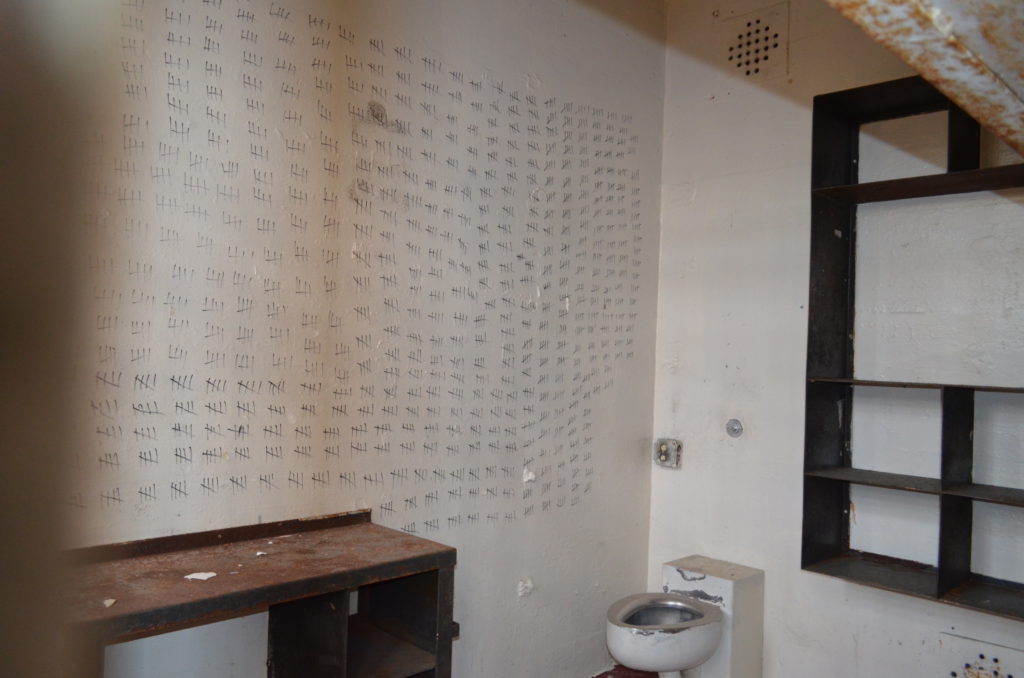
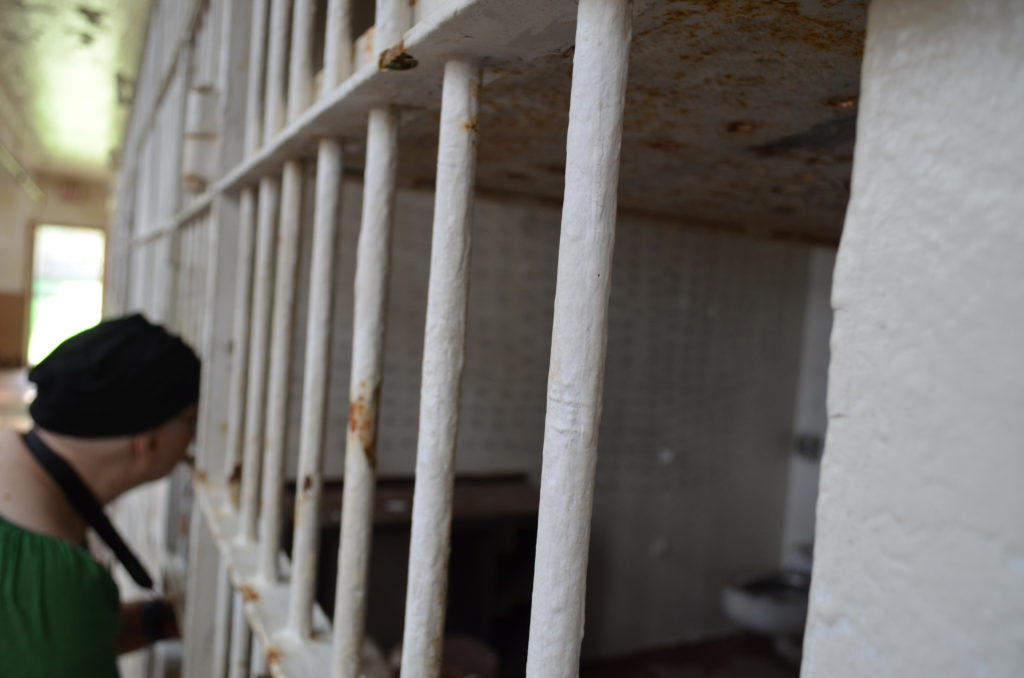
LOSS OF VISION For roughly 70 years, countless prisoners marked time in The Hole by scratching tally marks on the wall. With no heat or air conditioning, little ventilation and hardly any light, release couldn't come fast enough, even for the toughest convicts. In fact, it was so dark inside, prisoners would lose their vision within days. Upon release, a fellow inmate would be assigned as a guide until their sight returned, usually within a week's time. The extreme physical, mental and emotional effects of solitary confinement in such dire conditions reportedly weighed heavily on Warden Joe Freytag. In fact, it was said Warden Freytag would visit prisoners in the middle of the night to check on their well-being. Though not nearly soon enough for many a suffering man, the "old hole" was finally shut down in the 1960's.
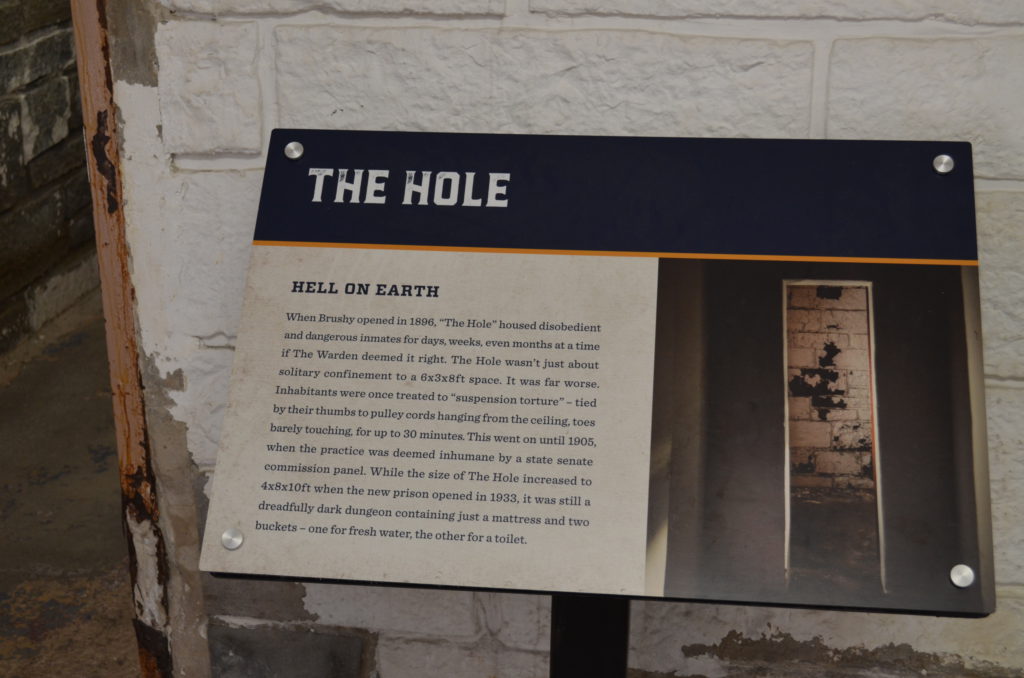
HELL ON EARTH When Brushy opened in 1896, "The Hole" housed disobedient and dangerous inmates for days, weeks, even months at a time if The Warden deemed it right. The Hole wasn't just about solitary confinement to a 6x3x8ft space. It was far worse. Inhabitants were once treated to "suspension torture" - tied by their thumbs to pulley cords hanging from the ceiling, toes barely touching, for up to 30 minutes. This went on until 1905, when the practice was deemed inhumane by a state senate commission panel. While the size of The Hole increased to 4x8x10ft when the new prison opened in 1933, it was still a dreadfully dark dungeon containing just a mattress and two buckets - one for fresh water, the other for a toilet.
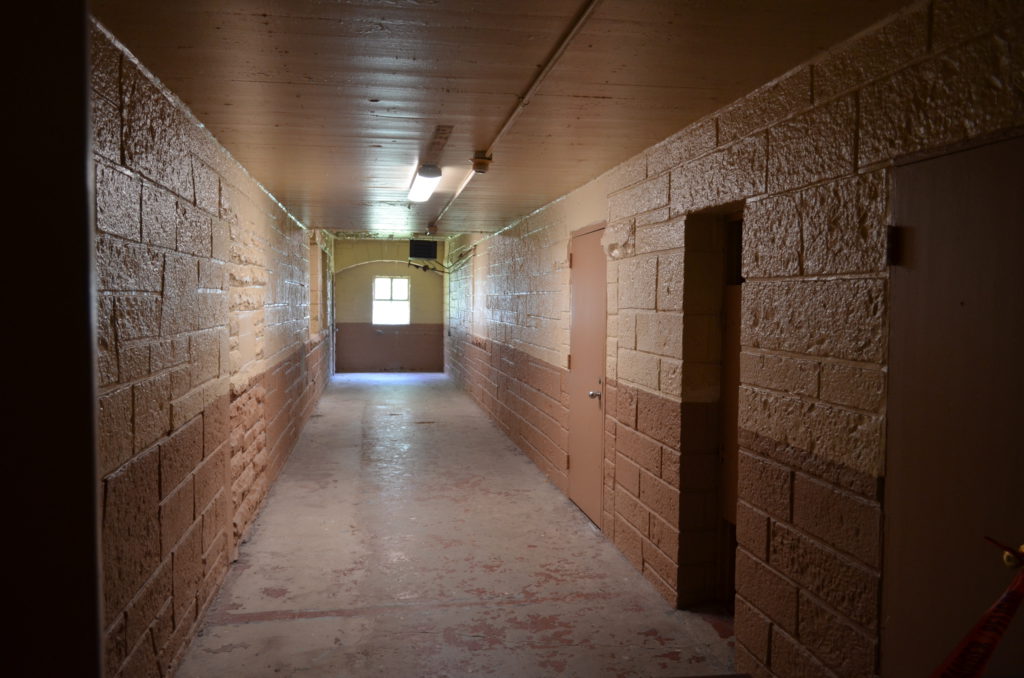
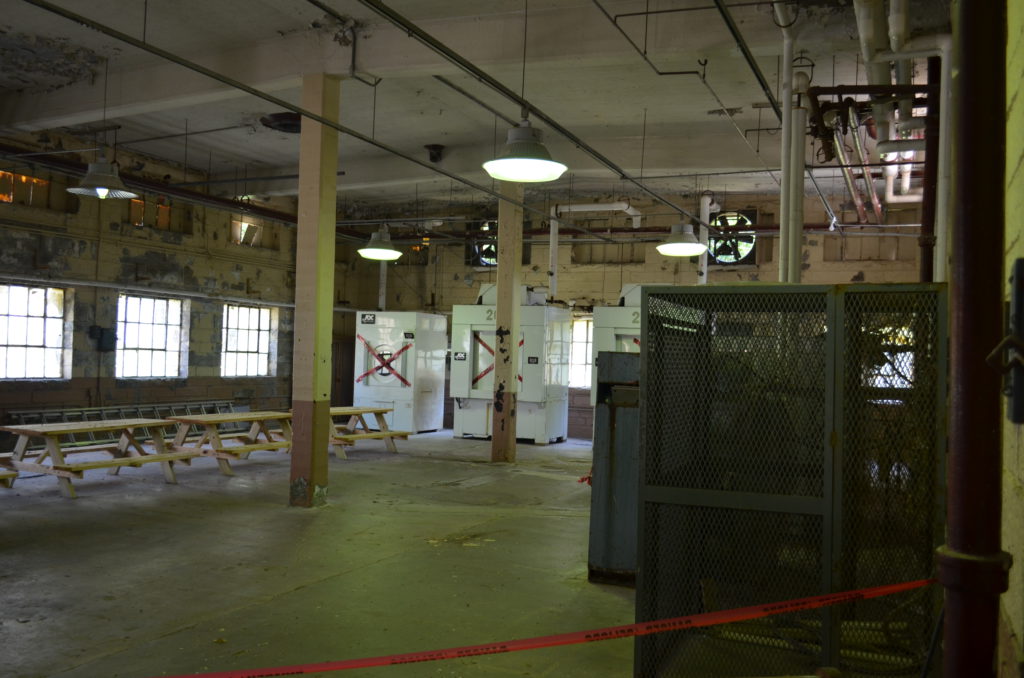
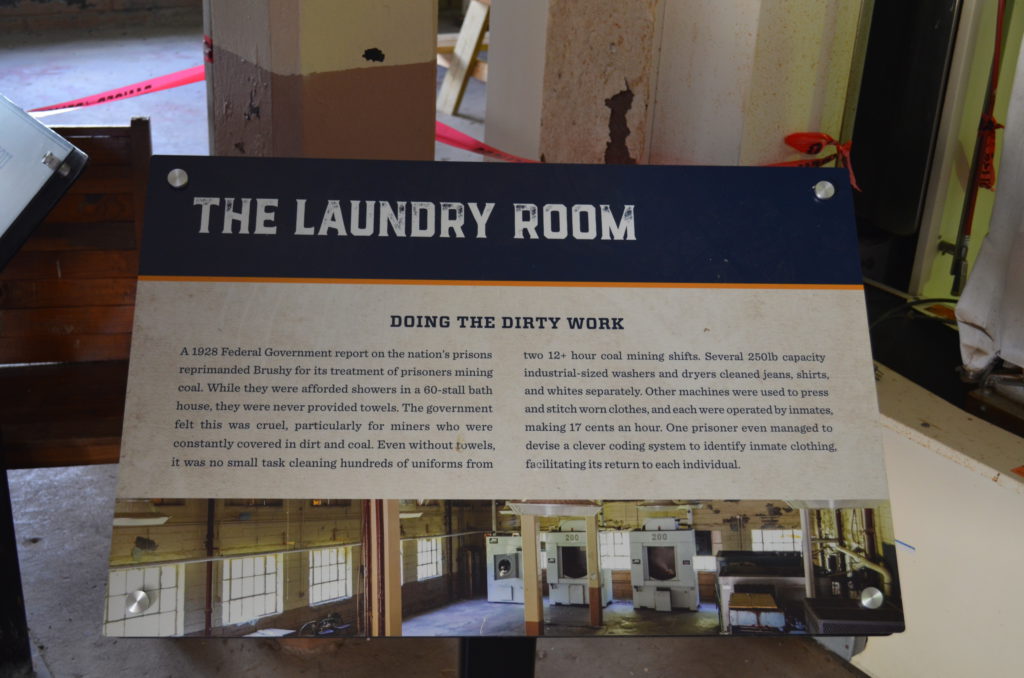
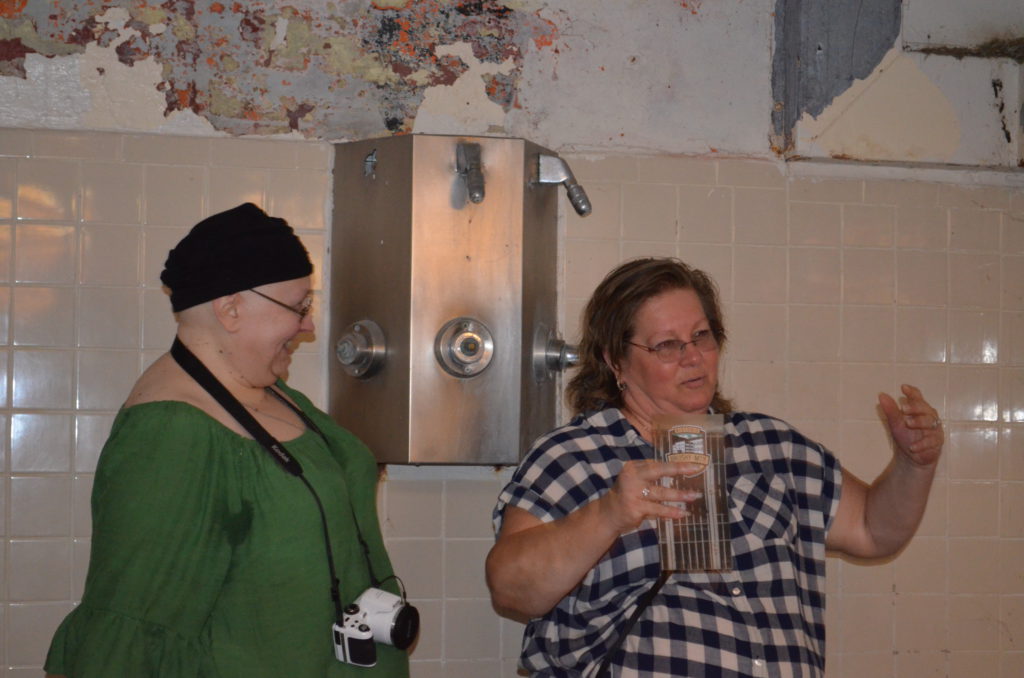
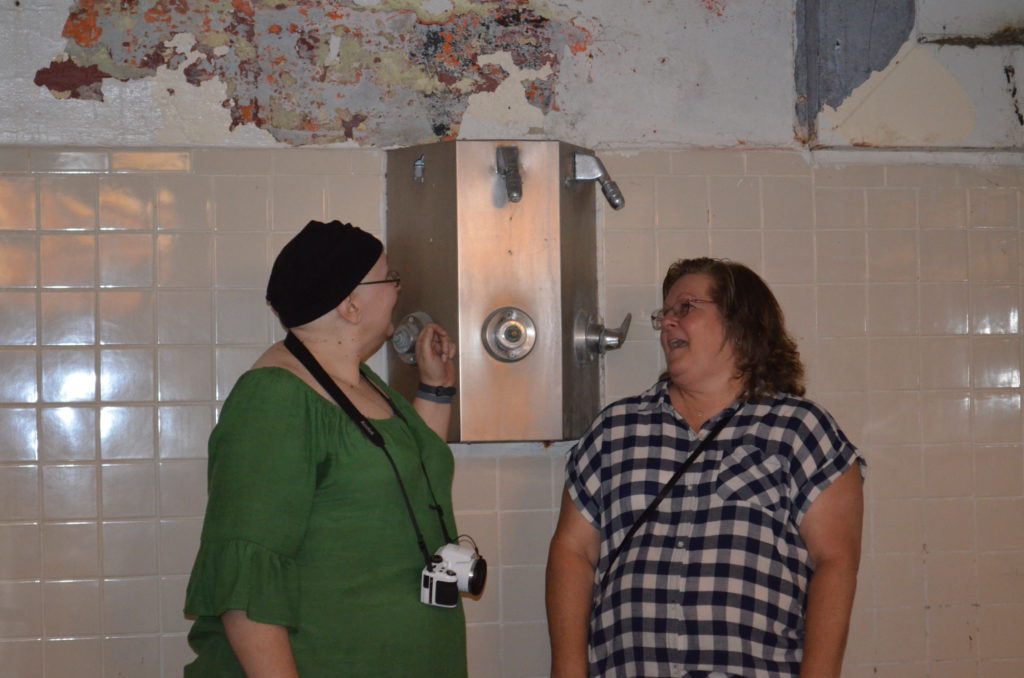
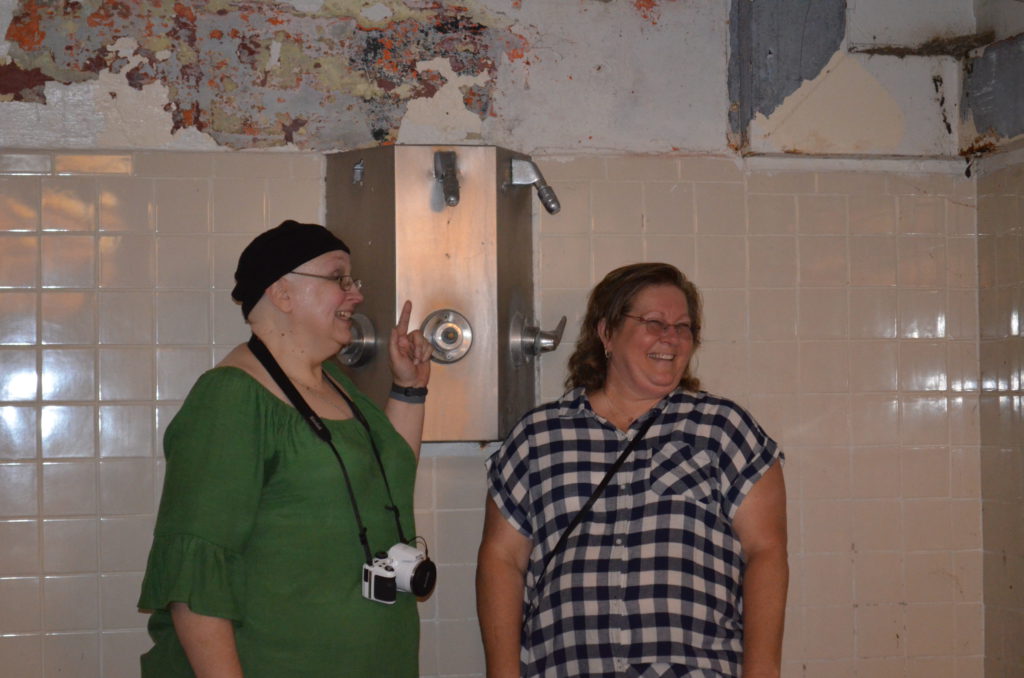
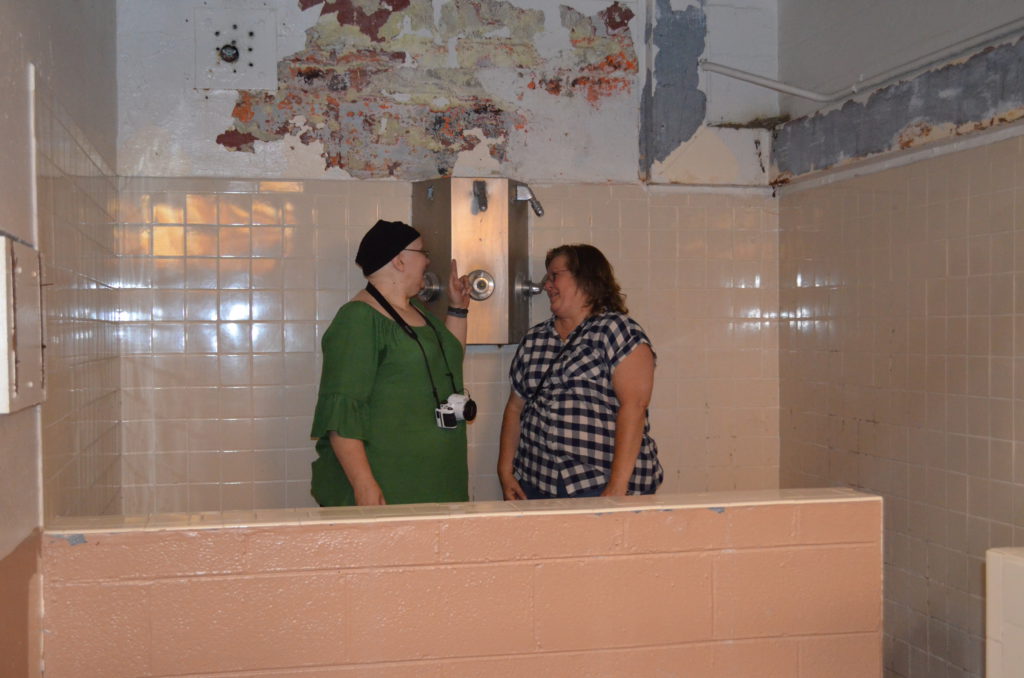
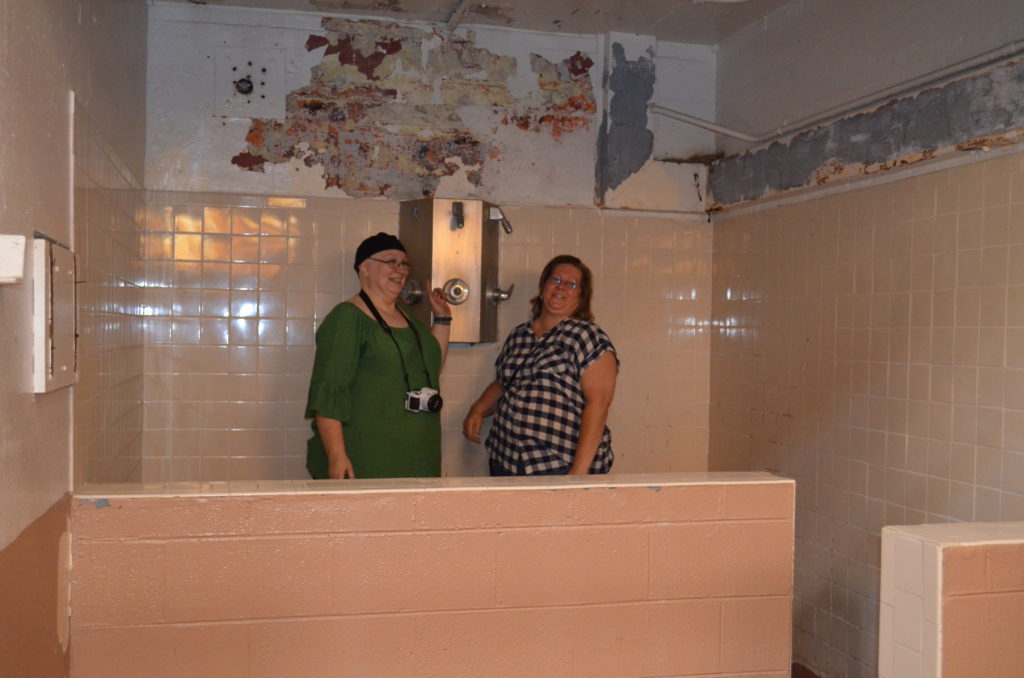
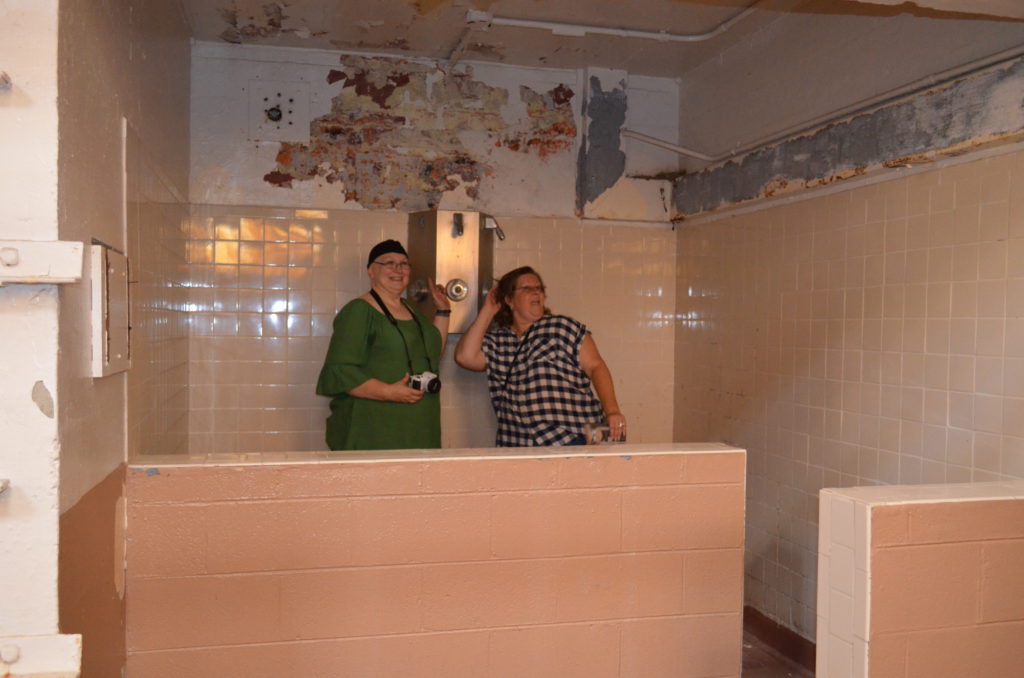
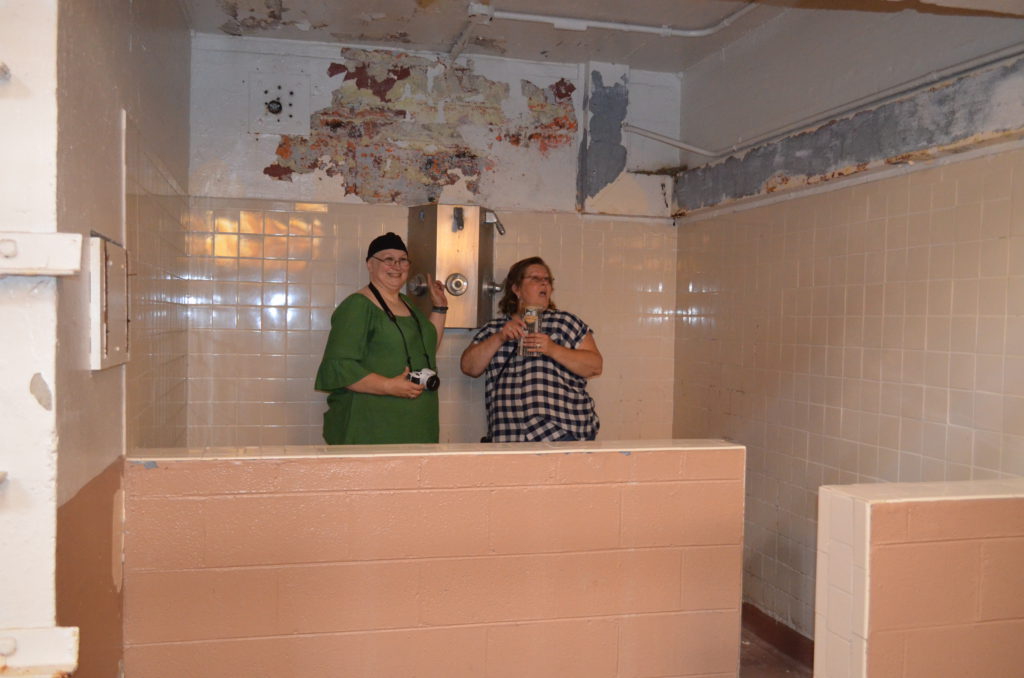
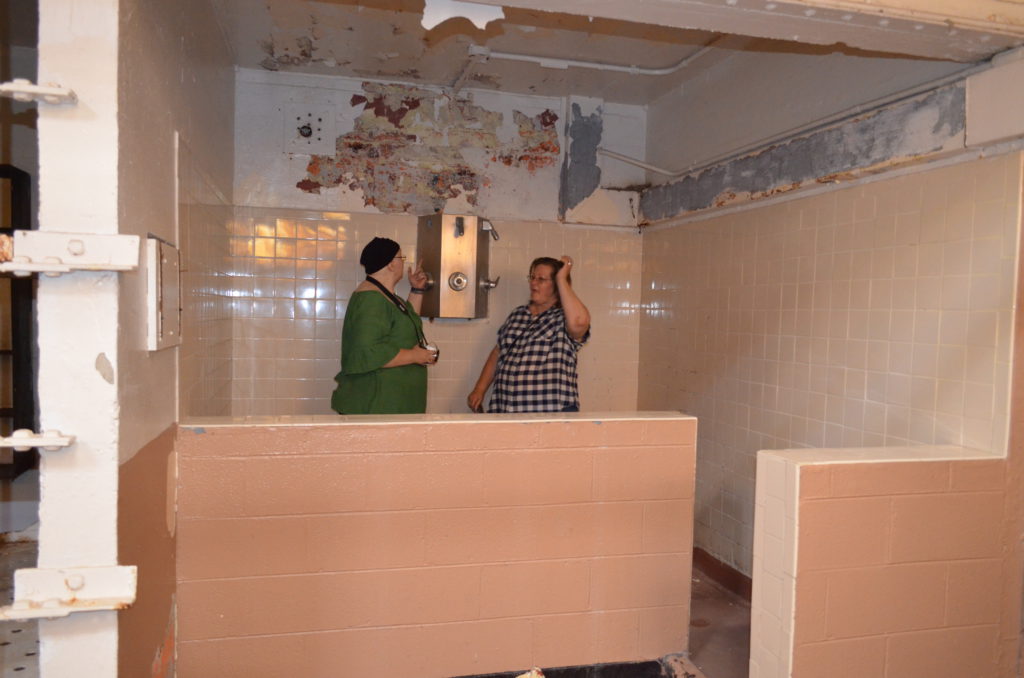
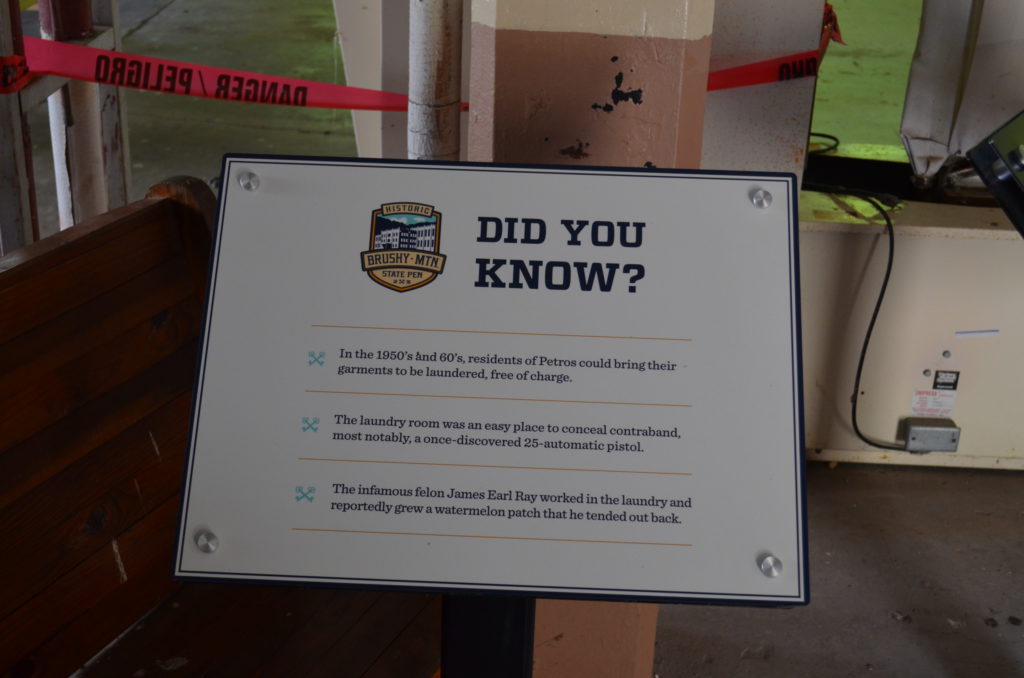
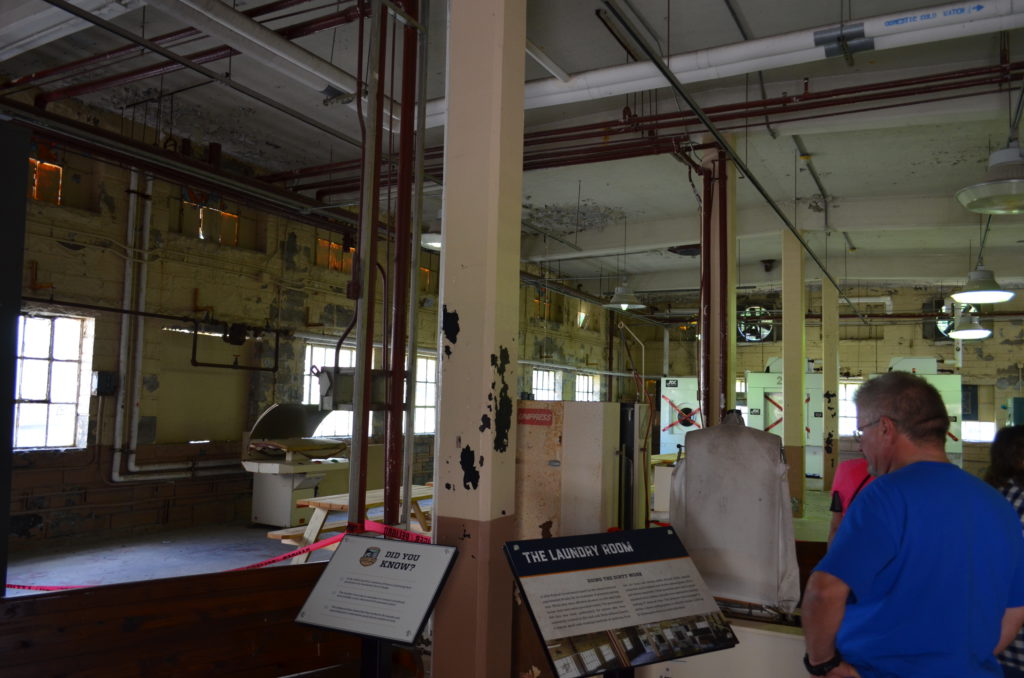
DOING THE DIRTY WORK A 1928 Federal Government report on the nation's prisons reprimanded Brushy for its treatment of prisoners mining coal. While they were afforded showers in a 60-stall bath house, they were never provided towels. The government felt this was cruel, particularly for miners who were constantly covered in dirt and coal. Even without towels, it was no small task cleaning hundreds of uniforms from two 12+ hour coal mining shifts. Several 2501b capacity industrial-sized washers and dryers cleaned jeans, shirts, and whites separately. Other machines were used to press and stitch worn clothes, and each were operated by inmates, making 17 cents an hour. One prisoner even managed to devise a clever coding system to identify inmate clothing, facilitating its return to each individual.
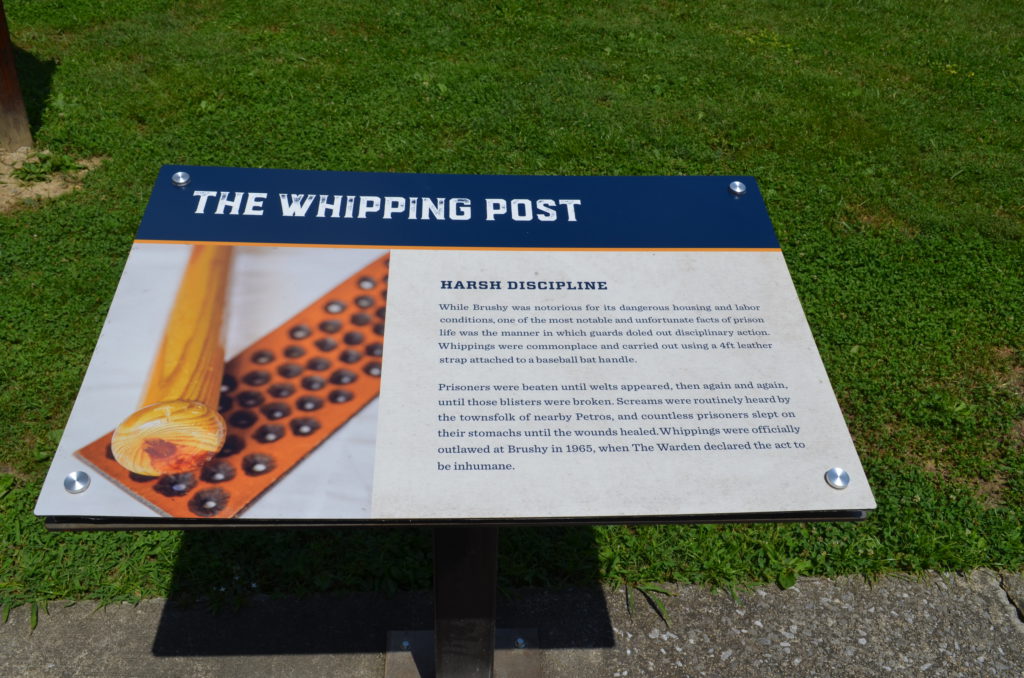
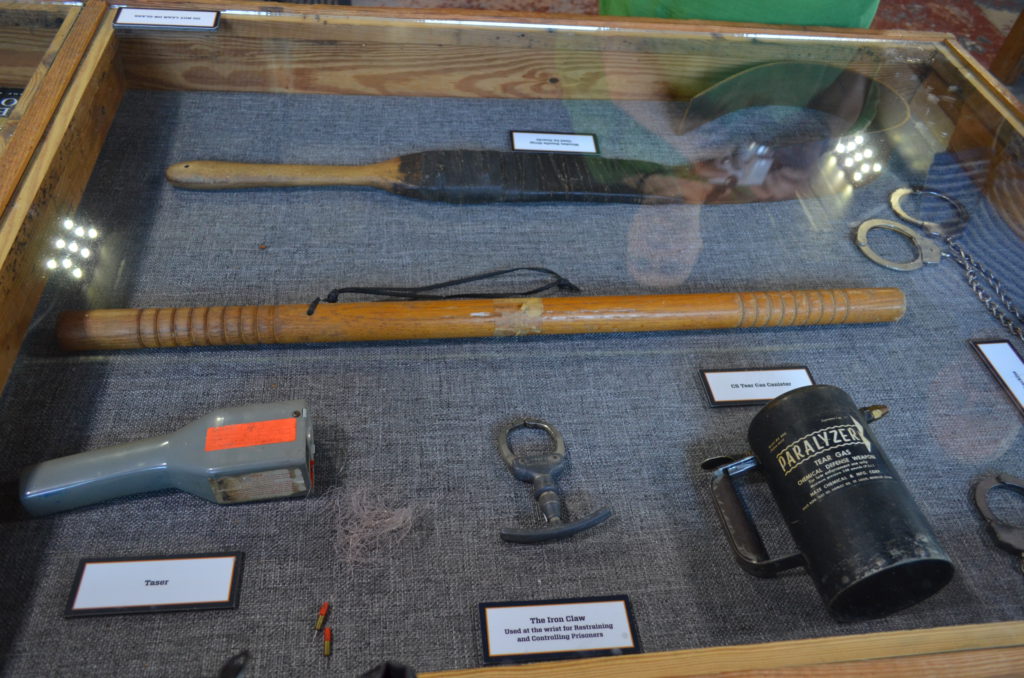
HARSH DISCIPLINE While Brushy was notorious for its dangerous housing and labor conditions, one of the most notable and unfortunate facts of prison life was the manner in which guards doled out disciplinary action. Whippings were commonplace and carried out using a 4ft leather strap attached to a baseball bat handle. Prisoners were beaten until welts appeared, then again and again, until those blisters were broken. Screams were routinely heard by the townsfolk of nearby Petros, and countless prisoners slept on their stomachs until the wounds healed. Whippings were officially outlawed at Brushy in 1965, when The Warden declared the act to be inhumane.
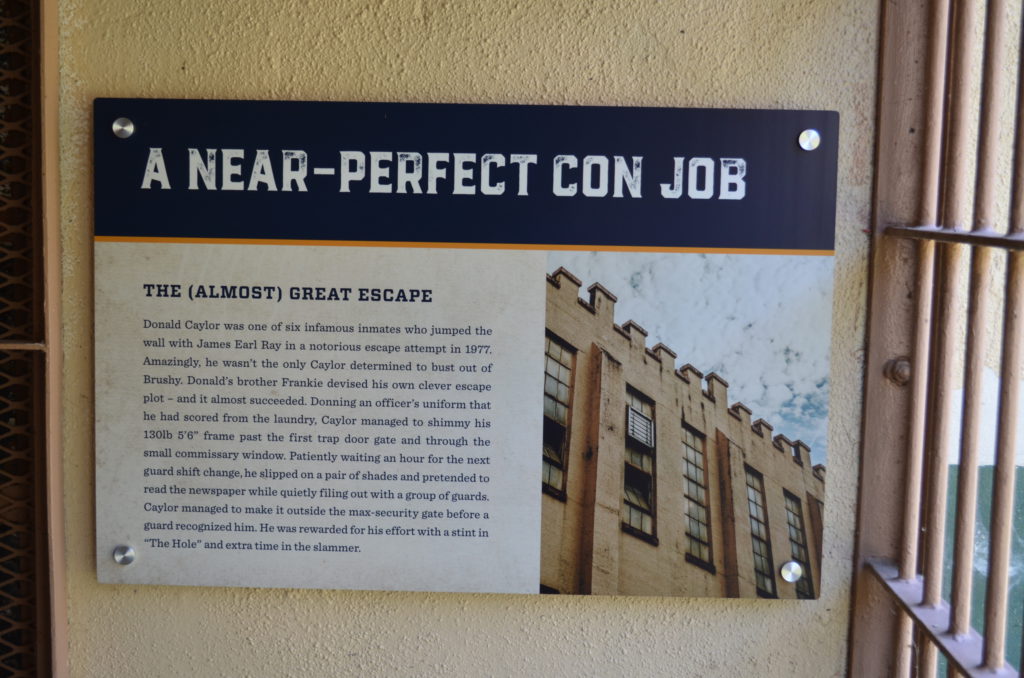
THE (ALMOST) GREAT ESCAPE Donald Caylor was one of six infamous inmates who jumped the wall with James Earl Ray in a notorious escape attempt in 1977. Amazingly, he wasn't the only Caylor determined to bust out of Brushy. Donald's brother Frankie devised his own clever escape plot - and it almost succeeded. Donning an officer's uniform that he had scored from the laundry, Caylor managed to shimmy his 1301b 5'6" frame past the first trap door gate and through the small commissary window. Patiently waiting an hour for the next guard shift change, he slipped on a pair of shades and pretended to read the newspaper while quietly filing out with a group of guards. Caylor managed to make it outside the max-security gate before a guard recognized him. He was rewarded for his effort with a stint in "The Hole" and extra time in the slammer.
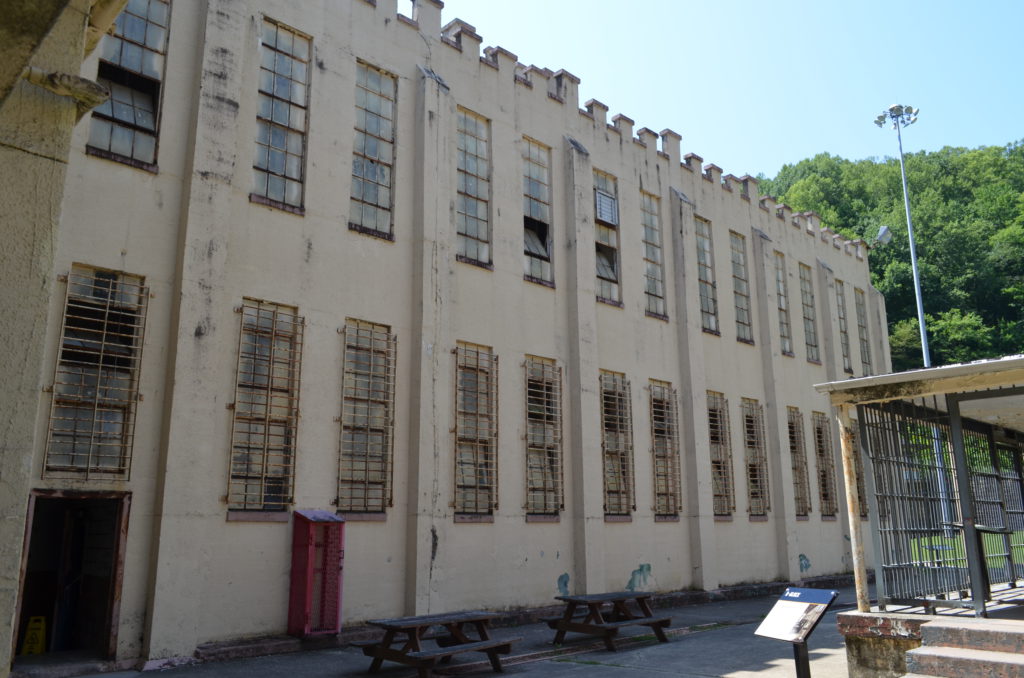
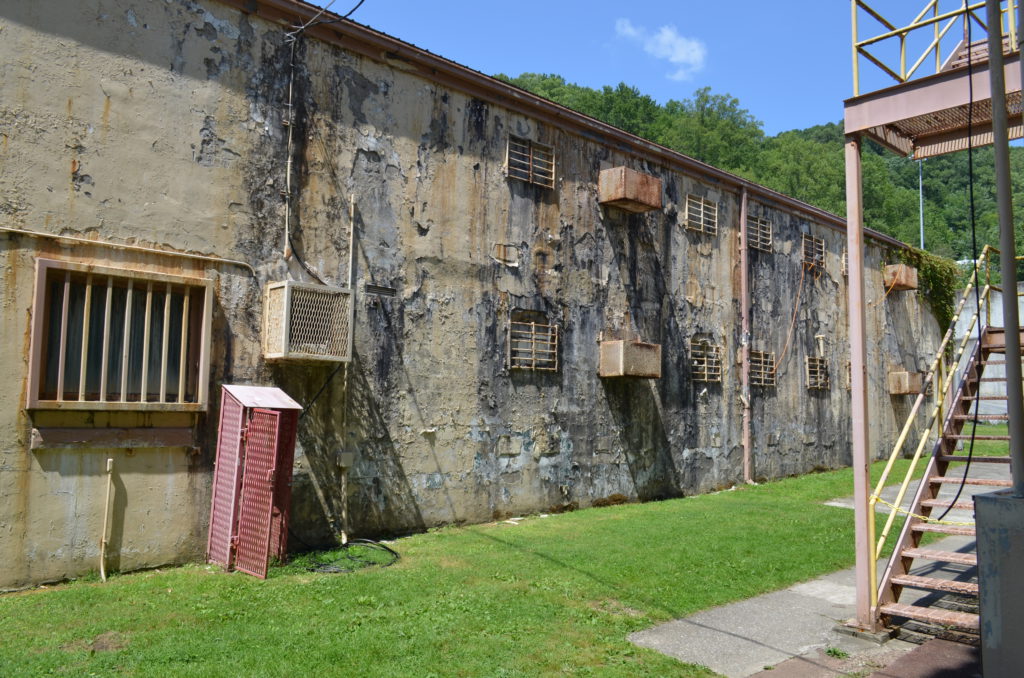
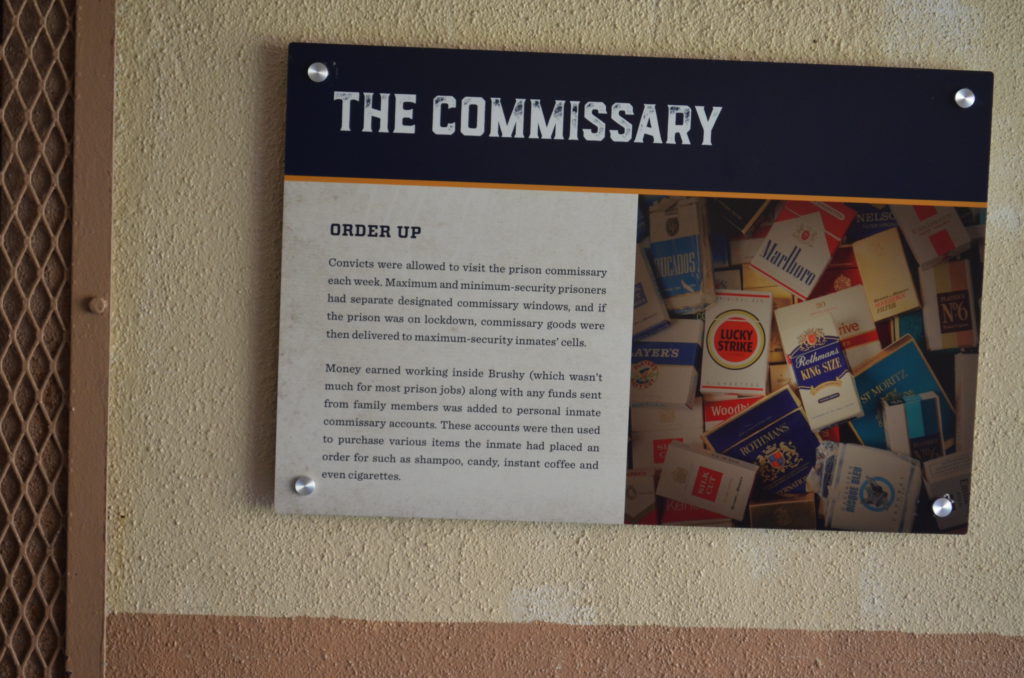
ORDER UP Convicts were allowed to visit the prison commissary each week. Maximum and minimum-security prisoners had separate designated commissary windows, and if the prison was on lockdown, commissary goods were then delivered to maximum-security inmates' cells. Money earned working inside Brushy (which wasn't much for most prison jobs) along with any funds sent from family members was added to personal inmate commissary accounts. These accounts were then used to purchase various items the inmate had placed an order for such as shampoo, candy, instant coffee and even cigarettes.
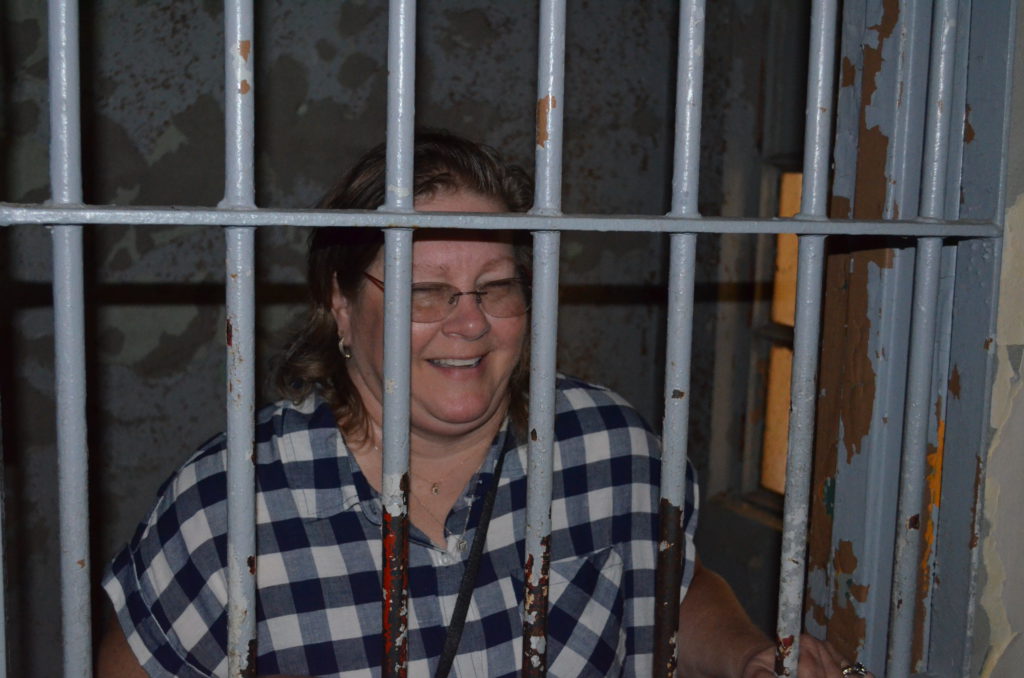
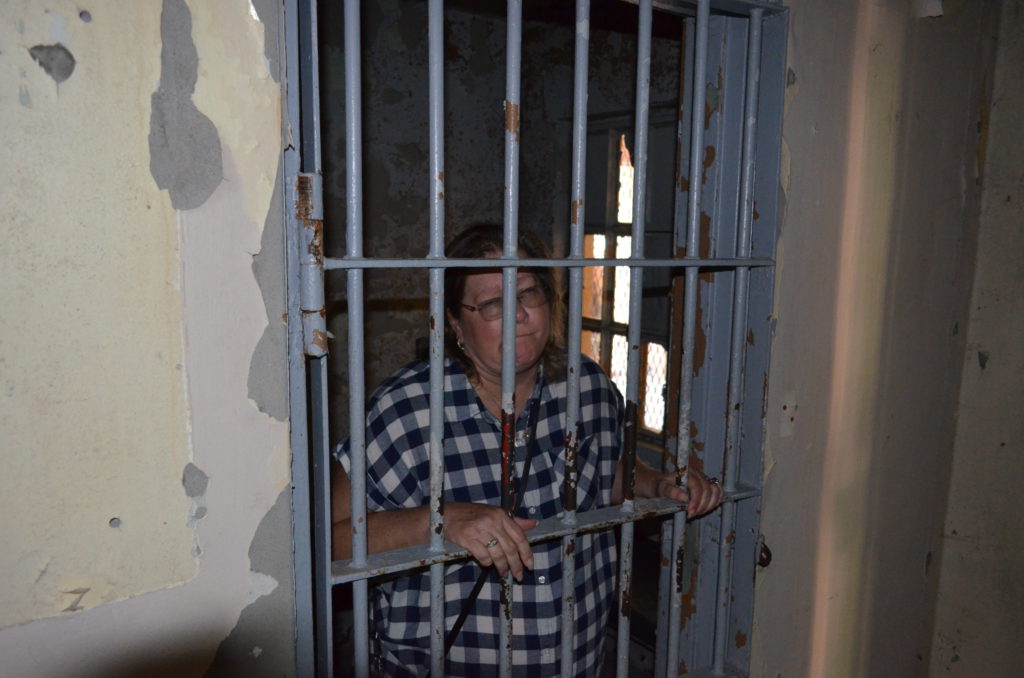
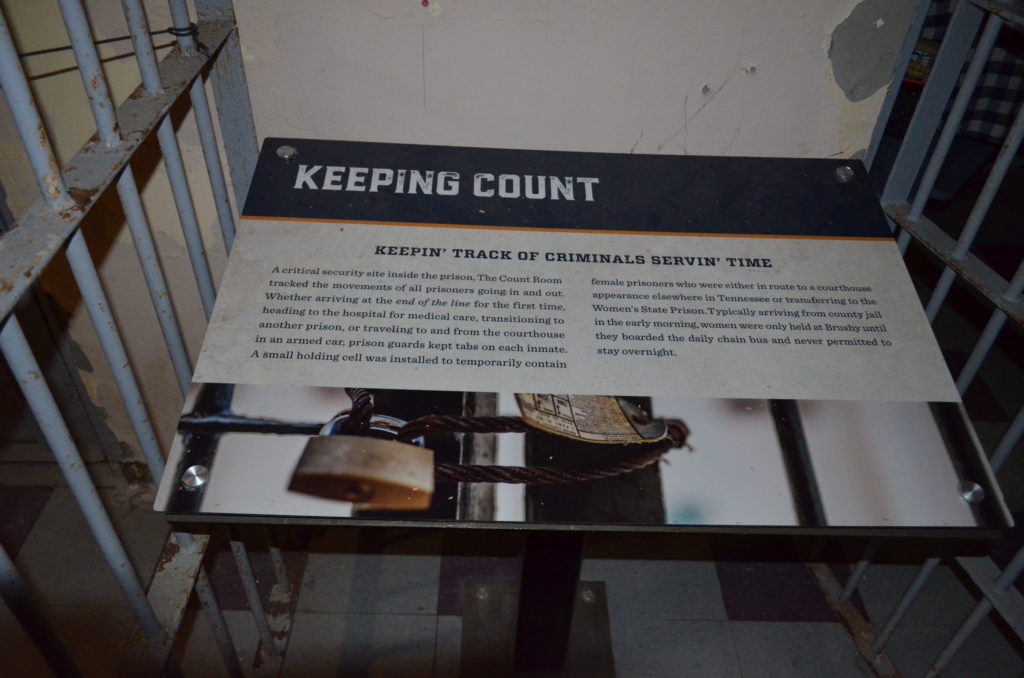
KEEPIN' TRACK OF CRIMINALS SERVIN' TIME
A critical security site inside the prison, The Count Room tracked the movements of all prisoners going in and out. Whether arriving at the end of the line for the first time, heading to the hospital for medical care, transitioning to another prison, or traveling to and from the courthouse in an armed car, prison guards kept tabs on each inmate. A small holding cell was installed to temporarily contain female prisoners who were either in route to a courthouse appearance elsewhere in Tennessee or transferring to the Women's State Prison. Typically arriving from county jail in the early morning, women were only held at Brushy until they boarded the daily chain bus and never permitted to stay overnight.
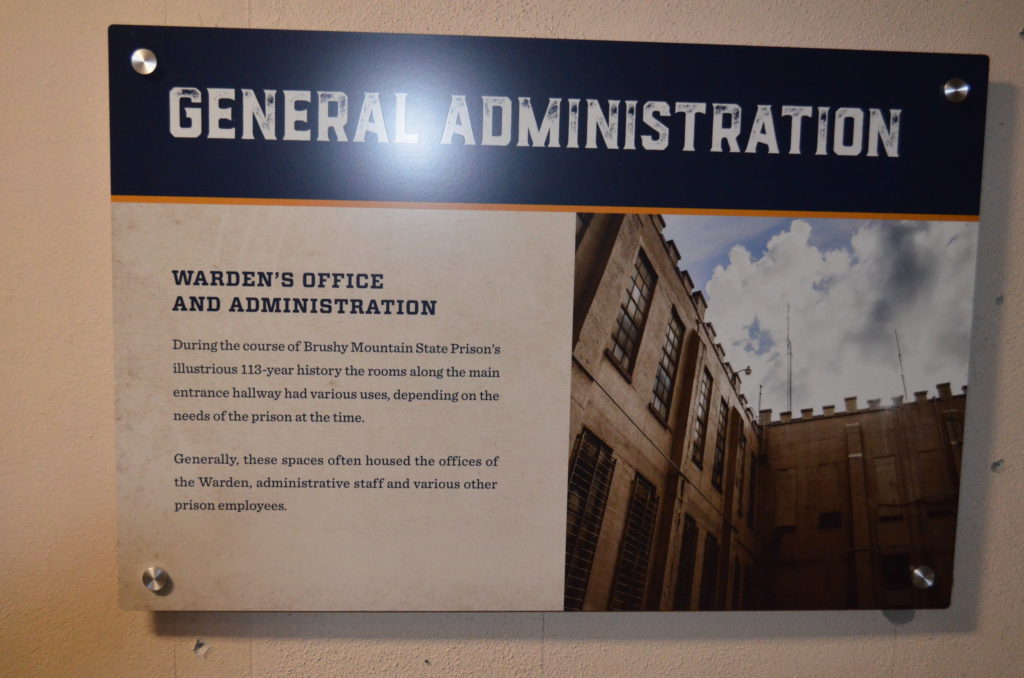
WARDEN'S OFFICE AND ADMINISTRATION During the course of Brushy Mountain State Prison's illustrious 113-year history the rooms along the main entrance hallway had various uses, depending on the needs of the prison at the time. Generally, these spaces often housed the offices of the Warden, administrative staff and various other prison employees.